Anxiety Short Term Disability Eligibility Guide
Anxiety can affect daily life and work performance. Some people find it hard to focus, complete tasks, or even leave home. In these situations, short-term disability benefits may help. Anxiety short term disability is a type of benefit that gives temporary income support when a person cannot work because of serious anxiety symptoms.
Many employees feel confused about whether anxiety can qualify for disability benefits. They may wonder what symptoms count or what documents are needed. The good news is that some anxiety conditions can qualify if they strongly affect your ability to work.
This anxiety short term disability eligibility guide explains the basic rules. It will also cover common requirements, medical proof, and simple steps to help you understand if you may qualify.
Top Conditions: What Qualifies for Short Term Disability
Short-term disability benefits support workers who cannot do their job because of a health problem. Depending on the condition, it may be physical or mental. Common examples include surgery recovery, serious injuries, pregnancy complications, and severe illnesses. Mental health conditions such as anxiety, depression, and panic disorder can also qualify when symptoms are strong and affect daily work.
Many people apply for anxiety short term disability when anxiety becomes severe. If constant worry, panic attacks, or extreme stress make work difficult, a doctor may recommend time off. Medical records and treatment plans are usually required for approval. In many cases, anxiety short term disability benefits help employees focus on recovery while receiving temporary income support.
Can Employees Claim Short-Term Disability for Mental Health Conditions?
Yes, employees may be able to claim short-term disability for certain mental health conditions. Problems like severe anxiety, depression, or panic disorder can make it hard to work. If the symptoms affect focus, energy, or daily tasks, a doctor may suggest taking time off. In these cases, the employee may apply for benefits through their employer’s disability insurance plan.
However, approval usually requires medical proof. A doctor must explain how the condition limits the employee’s ability to perform their job. Treatment records, therapy notes, or medication plans may also be reviewed. When the condition is serious, benefits like anxiety short term disability can provide temporary financial support while the person focuses on recovery.
How to Get Short-Term Disability Approved for Mental Health Issues
Getting short-term disability approved for mental health issues can take a few steps. First, you need to talk to a doctor or mental health professional. They must confirm that your condition makes it hard for you to work. Conditions like severe anxiety, depression, or panic attacks may qualify if symptoms affect your daily job tasks. Clear medical records can make the process easier.
You should also follow your employer’s disability claim process. Most insurance companies review medical proof before approving benefits. If you are applying for anxiety short term disability, strong documentation and regular treatment can help support your claim.
Helpful steps for approval include:
- Visit a doctor or licensed therapist for a proper diagnosis
- Keep medical records and treatment notes
- Follow the treatment plan recommended by your doctor
- Submit all required forms from your employer or insurer
- Provide clear details about how your condition affects your work
These steps can improve your chances of getting short-term disability support while you focus on recovery.
Understanding Short Term Disability Insurance
Short term disability insurance helps employees when they cannot work for a short period due to a health problem. It provides temporary income while the person focuses on recovery. These benefits may cover a part of the employee’s regular salary. Many employers offer this insurance as part of their benefits package. Some people also buy a private policy for extra protection.
This type of insurance can cover both physical and mental health conditions. For example, serious injuries, surgery recovery, pregnancy complications, and mental health problems may qualify. In some cases, workers may apply for anxiety short term disability if severe anxiety prevents them from doing their job. The exact rules depend on the insurance policy and medical proof provided by a doctor.
| Feature | Description |
| Purpose | Provides temporary income if an employee cannot work due to illness or injury |
| Coverage Period | It usually lasts from a few weeks to several months |
| Payment Amount | Often covers about 50%–70% of the employee’s regular salary |
| Eligibility | Employees must have a medical condition that stops them from working |
| Medical Proof | A doctor must confirm the condition and recommend time off |
| Waiting Period | Some plans require a short waiting period before benefits begin |
| Common Physical Conditions | Surgery recovery, injuries, pregnancy complications, severe illness |
| Common Mental Conditions | Anxiety disorders, depression, panic attacks, severe stress |
| Employer Plans | Many companies provide short term disability insurance as a job benefit |
| Private Policies | Individuals can also purchase their own disability insurance |
| Claim Process | Employees submit forms, medical records, and employer information |
| Benefit Duration | Payments continue until the employee returns to work or the policy limit ends |
What Short Term Disability Insurance Actually Covers

Short term disability insurance covers a portion of your income when you cannot work because of a medical condition. It is designed to help during temporary health problems. These may include injuries, surgery recovery, pregnancy complications, or serious illnesses. The benefit usually replaces part of your salary for a limited time while you recover.
Mental health conditions can also be covered in some cases. Severe anxiety, depression, or panic disorders may qualify if they prevent you from doing your job. A doctor must confirm the condition and recommend time away from work. Many employees apply for anxiety short term disability when anxiety symptoms become too difficult to manage at work.
Signs You’re Likely to Be Approved for Mental Health Disability
Some signs can increase the chance of getting approved for mental health disability benefits. One important sign is having a clear diagnosis from a doctor or mental health professional. Regular treatment, such as therapy or medication, also shows that the condition is serious. If your symptoms make it hard to focus, complete tasks, or attend work regularly, this may support your claim.
Strong medical records can also help during the review process. Doctors may explain how the condition affects your daily job duties. Detailed notes, treatment plans, and follow-up visits can strengthen your case. Many people apply for anxiety short term disability when severe anxiety symptoms prevent them from working normally for a period of time.
How to Apply for Mental Health Disability Coverage
Applying for mental health disability coverage starts with talking to a doctor or licensed therapist. They need to confirm that your condition affects your ability to work. Conditions like severe anxiety, depression, or panic attacks may qualify. Clear medical records and treatment notes can make your claim stronger.
You also need to follow your employer’s or insurance provider’s claim process. This usually involves filling out forms and submitting medical proof. For anxiety short term disability, showing how anxiety impacts your job is very important.
Steps to apply:
- Get a diagnosis from a licensed doctor or therapist
- Keep treatment notes and medical records updated
- Fill out your employer’s disability claim forms carefully
- Provide details on how your condition limits your work
- Submit all documents to your HR department or insurance provider
- Follow up regularly to check the status of your claim
These steps can help ensure your claim is processed smoothly and increase the chance of approval.
Documentation That Strengthens Your Claim
Having the right documentation can make a big difference when applying for short-term disability. Clear medical records and proof of treatment show that your condition is serious. For mental health issues, such as severe anxiety, therapy notes, medication plans, and a doctor’s recommendation are very important. Proper documentation helps insurance companies understand why you cannot work.
You can also strengthen your case with other supporting documents. Work history, attendance records, and any notes on how your condition affects daily tasks may help. Many people applying for anxiety short term disability find that keeping detailed records improves the chances of approval.
| Type of Document | Why It Helps | Notes |
| Doctor’s Letter | Confirms diagnosis and work limitations | Should be on official letterhead |
| Therapy Notes | Shows regular treatment and progress | Include session dates and summaries |
| Medication Records | Demonstrates prescribed treatment | Include dosage and duration |
| Treatment Plan | Explains recovery steps | Helps insurance see plan for return to work |
| Work Impact Notes | Shows how condition affects job | Include missed days, productivity issues |
| Attendance Records | Supports claim of work limitations | Employer records or self-tracked |
| Hospital or Clinic Records | Confirms serious episodes | Include admission/discharge dates |
| Mental Health Assessments | Professional evaluation of condition | Psychological tests, assessments |
| Personal Journal | Shows daily struggles | Include symptoms and triggers |
| Employer Forms | Required for claim processing | Fill accurately and completely |
Common Reasons Mental Health Disability Claims Are Denied
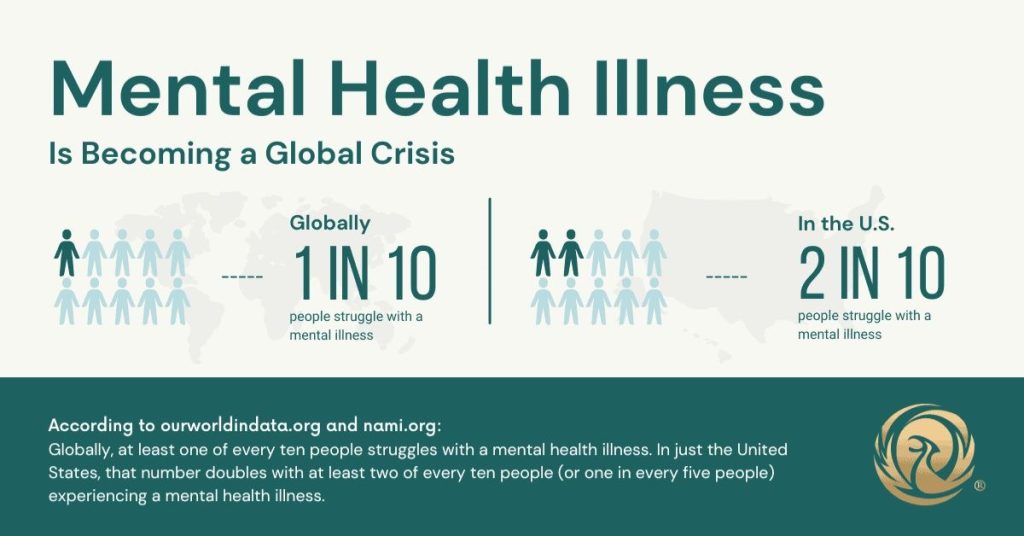
Many mental health disability claims get denied because of missing or weak medical proof. Insurance companies need clear documentation showing that your condition stops you from working. If your doctor’s notes are incomplete or do not explain work limitations, the claim may be rejected.
Other reasons include not following the claim process correctly or failing to provide required forms. Some claims are denied if the condition is not severe enough to affect work. For anxiety short term disability, it is important to show how anxiety impacts daily tasks and job performance. Proper documentation and careful submission can reduce the chance of denial.
Final Thoughts: Navigating the Disability Process With Confidence
Applying for short-term disability can feel confusing, especially for mental health issues. Knowing the rules, gathering proper documentation, and following the claim process carefully can make it easier. Talking openly with your doctor and keeping clear records helps your case.
Remember, benefits like anxiety short term disability exist to support you while you recover. Take your time, stay organized, and ask questions when needed. With the right preparation, you can navigate the disability process with confidence and focus on getting better.
Conclusion
In conclusion, short-term disability can be a big help when health issues prevent you from working. Conditions like severe anxiety or other mental health problems may qualify if they make it hard to do your job. Having proper medical proof and following the claim process carefully increases your chances of approval.
Taking time off with support from anxiety short term disability allows you to focus on recovery without worrying about finances. Being organized, keeping good records, and communicating with your doctor and employer can make the process smoother. With the right preparation, you can get the help you need and take steps toward feeling better.
FAQs
- What is anxiety short term disability?
It is a benefit that provides temporary income when anxiety prevents you from working. - Who can apply for anxiety short term disability?
Employees with severe anxiety that affects their ability to perform job tasks may qualify. - How long does short-term disability last?
It usually lasts from a few weeks to several months, depending on your policy. - What documents are needed for approval?
Medical records, doctor’s notes, treatment plans, and employer claim forms are typically required. - Can I work while receiving anxiety short term disability?
Usually, you cannot perform your regular job duties while receiving benefits, as the condition must prevent work.