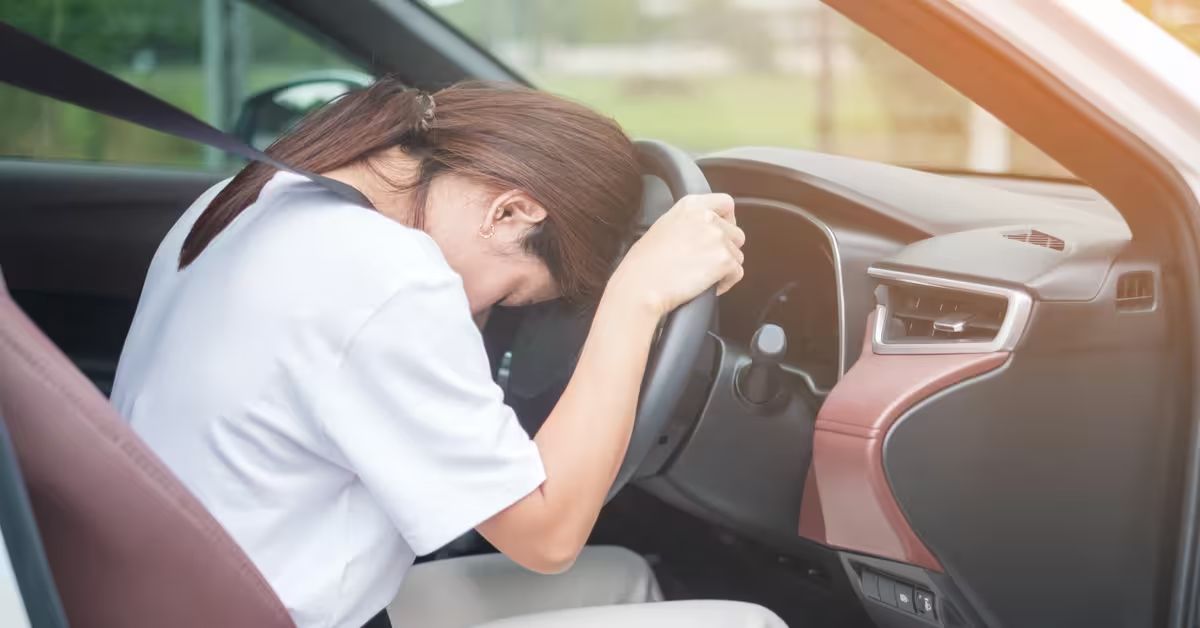
Driving Anxiety After Accident: Fear to Confidence
Driving anxiety after accident is a common experience for many people. After a crash, it is normal to feel nervous about getting back on the road. Some drivers feel tense, worried, or unsure when they think about driving again. These feelings often come from the memory of the accident and the fear that it might happen again.
Have you ever noticed your heart beating faster when you sit in the driver’s seat? For some people, driving anxiety after accident can make even short trips feel stressful. The mind remembers the event and tries to stay alert. Because of this, many people avoid driving for a while.
The good news is that confidence can return over time. With patience and small steps, many drivers slowly feel safe again. Learning about driving anxiety after accident can help people understand their feelings and find ways to manage them. This article will share simple information and helpful tips to support that journey.
How to Overcome Driving Fear After a Car Crash
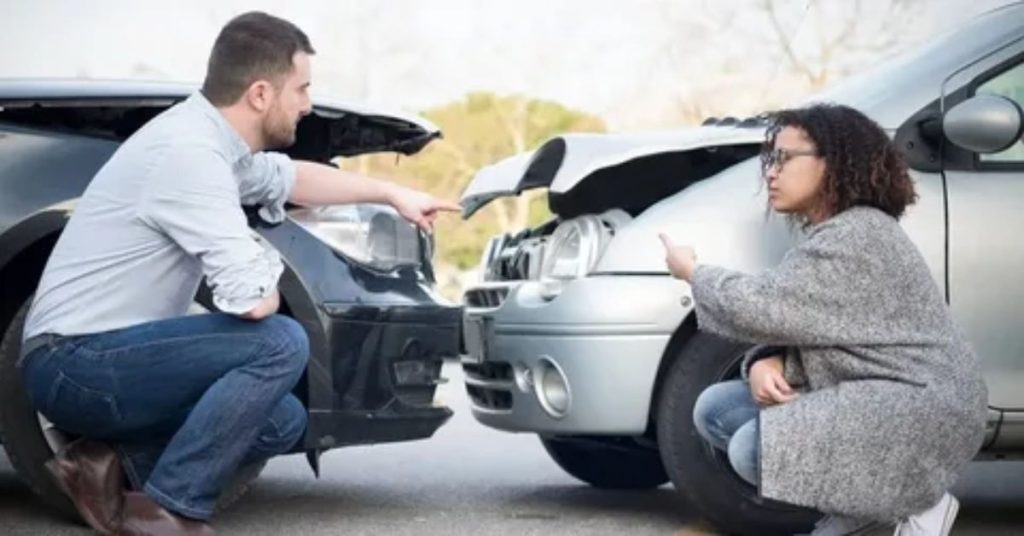
Start with small steps after an accident. Many people experience driving anxiety after accident, so feeling nervous is normal. Begin by sitting in the car and taking deep breaths. Try short drives on quiet roads. Having a trusted friend or family member with you can also make you feel more comfortable.
Be patient with yourself during the process. Driving anxiety after accident can take time to fade. Practice regularly and slowly increase your driving distance. Relaxation techniques and positive thoughts can help reduce stress. With time and practice, your confidence on the road can return.
Can You Be Afraid of Driving After a Car Accident?
Yes, it is very normal to feel afraid of driving after a car accident. A crash can be a scary experience. Your mind remembers the danger and tries to protect you. Because of this, some people feel nervous when they sit in a car or think about driving again.
These feelings may include stress, worry, or a fast heartbeat. Some people avoid driving for a while because the fear feels strong. This reaction is common and happens to many drivers. With time, support, and practice, most people slowly regain their confidence on the road.
What Is Vehophobia?
Vehophobia is the strong fear of driving or riding in a vehicle. It often develops after a stressful or traumatic event, such as a car accident. People with this fear may feel nervous, tense, or overwhelmed when they think about driving. In some cases, the fear can make everyday travel difficult.
Common signs of vehophobia may include:
- Feeling anxious before or during driving
- Avoiding cars or long trips
- Fast heartbeat or sweating while in a vehicle
- Worrying that another accident might happen
This fear can affect anyone, but it can improve with time and support. Learning about the fear and taking small steps can help people feel more comfortable on the road again.
Why Fear of Driving Happens After a Car Accident
After a car accident, many people feel nervous about driving again. This reaction is very common. The brain remembers the stressful event and tries to avoid danger. Because of this, some drivers develop driving anxiety after accident and feel worried when they think about getting behind the wheel.
These feelings can come from fear, stress, or loss of confidence. Driving anxiety after accident may cause people to avoid driving for some time. Loud traffic sounds, busy roads, or memories of the crash can trigger nervous thoughts. With patience, support, and practice, many drivers slowly rebuild their confidence and feel safer on the road again.
| Reason for Fear | Description |
| Traumatic Memory | The brain remembers the crash and connects driving with danger. |
| Loss of Confidence | Some drivers doubt their ability to drive safely again. |
| Fear of Another Accident | Many people worry that another crash could happen. |
| Physical Injuries | Pain from injuries can make driving stressful or uncomfortable. |
| Panic Symptoms | Some people feel sweating, fast heartbeat, or shaking while driving. |
| Lack of Practice | Avoiding driving for a long time can increase fear. |
| Traffic Triggers | Horns, sudden braking, or busy roads may remind drivers of the accident. |
| Emotional Stress | The emotional shock of the crash can stay in the mind. |
| Feeling Out of Control | During the accident, drivers may feel helpless, which can affect confidence. |
| Negative Thoughts | Replaying the crash in the mind can increase worry and stress. |
Start as a Passenger
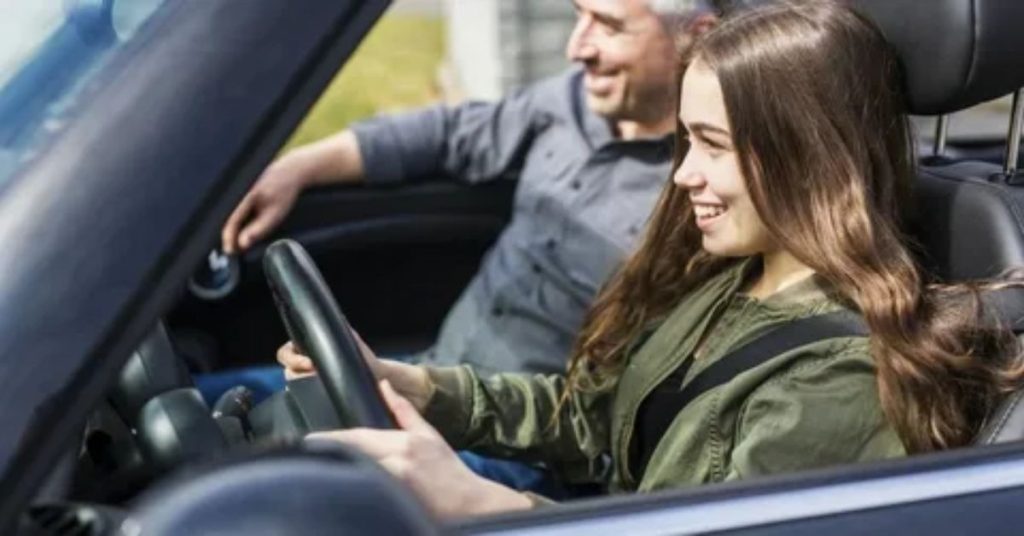
If you feel nervous about driving, start as a passenger first. Many people experience driving anxiety after accident, so sitting without controlling the car can help reduce fear. You can observe traffic, notice how the car moves, and slowly get used to being on the road again.
Having a trusted friend or family member drive can make this process easier. Taking short trips at first can help manage driving anxiety after an accident and build confidence. Over time, being a passenger can prepare you to drive safely and feel more comfortable behind the wheel.
Get Behind the Wheel as Soon as Possible
After some practice as a passenger, it is important to get behind the wheel. Sitting in the driver’s seat helps you regain control and confidence. Start with short drives in quiet areas.Drive at your own pace and take your time.
Driving regularly can reduce fear and stress over time.Increase your driving distance and complexity gradually. Small, consistent steps help overcome anxiety. With patience, most people feel more comfortable and safe on the road again.
Drive in a Quiet Neighborhood
Driving in a quiet neighborhood is a good way to start after a car accident. Many people experience driving anxiety after accident, so calm streets can help reduce fear. You can practice stopping, turning, and parking without feeling rushed. This makes driving feel safer and less stressful.
Here are some tips for driving in a quiet area:
- Choose streets with little traffic.
- Drive during the day for better visibility.
- Keep trips short at first.
- Feel free to bring a friend or family member who can support you.
- Focus on calm breathing and positive thoughts.
Practicing in a quiet neighborhood can help manage driving anxiety after accident and slowly build confidence. Over time, this prepares you for busier roads and longer trips.
Consult a Professional Therapist
Seeing a professional therapist can help if driving anxiety after accident feels strong. Therapists understand fear and anxiety. They can teach coping techniques and ways to stay calm while driving. Talking to an expert can make you feel supported and understood.
Therapists may use different methods to help drivers overcome fear. They create a safe plan to rebuild confidence step by step. With guidance, many people feel ready to drive again.
| Therapy Type | How It Helps | Notes |
| Cognitive Behavioral Therapy (CBT) | Changes negative thoughts about driving | Very effective for fear and anxiety |
| Exposure Therapy | Gradual exposure to driving situations | Helps reduce panic and build confidence |
| Relaxation Techniques | Breathing exercises, meditation, mindfulness | Reduces stress and tension while driving |
| Virtual Reality Therapy | Simulated driving practice in a safe environment | Useful for overcoming strong fear without real risk |
| Support Groups | Share experiences with others | Encourages understanding and reduces isolation |
| Hypnotherapy | Guided relaxation to manage anxiety | Can help reframe negative memories of accident |
| Trauma-Focused Therapy | Addresses the emotional impact of the accident | Useful if anxiety is linked to PTSD |
| Eye Movement Desensitization (EMDR) | Helps process traumatic memories | Often used for accident-related trauma |
| Psychoeducation | Learn about driving anxiety and coping strategies | Builds knowledge and reduces fear |
| Stress Management | Combines multiple techniques | Improves overall mental well-being |
Self-Compassion Is Key When Recovering from Driving Anxiety

Recovering from driving anxiety after accident takes time, and being kind to yourself is important. It is normal to feel scared or nervous. Don’t rush the process or judge yourself for feeling fear. Accepting your emotions can make recovery easier.
Celebrate small progress, like sitting in the car or driving a short distance. Each step forward is important. Practice patience and positive self-talk. With self-compassion, you can slowly regain confidence and feel safe behind the wheel again.
When Legal and Emotional Support Go Hand-in-Hand
After a car accident, having both legal and emotional support can make recovery easier. Legal help ensures your rights are protected, while emotional support helps manage stress and fear. Together, they create a safer and more confident path back to driving.
Talking to a lawyer about insurance or claims can reduce worry. At the same time, speaking with a therapist or support group can ease driving anxiety after accident. Combining these supports helps you focus on healing and gradually returning to the road.
Conclusion
Recovering from driving anxiety after accident takes time and patience. It is normal to feel fear or nervousness after a crash. Small steps, support from others, and gentle practice can help you regain confidence.
Remember to be kind to yourself. Celebrate every little progress, whether it is sitting in the car or driving a short distance. With persistence and care, most people can overcome fear and feel safe on the road again.
FAQs
- What is driving anxiety after an accident?
It is fear or stress that happens when thinking about or driving after a car crash. - How long does driving anxiety last?
It varies, but many people start feeling better with time, practice, and support. - Can therapy help with driving anxiety?
Yes, therapists can teach coping skills and help rebuild confidence behind the wheel. - Should I start driving immediately after an accident?
Start slowly, maybe as a passenger first, then take short drives in quiet areas. - What are simple ways to reduce driving anxiety?
Deep breathing, positive thinking, short drives, and support from friends or family can help.