Safe Horse Anxiety Medication for Travel Stress
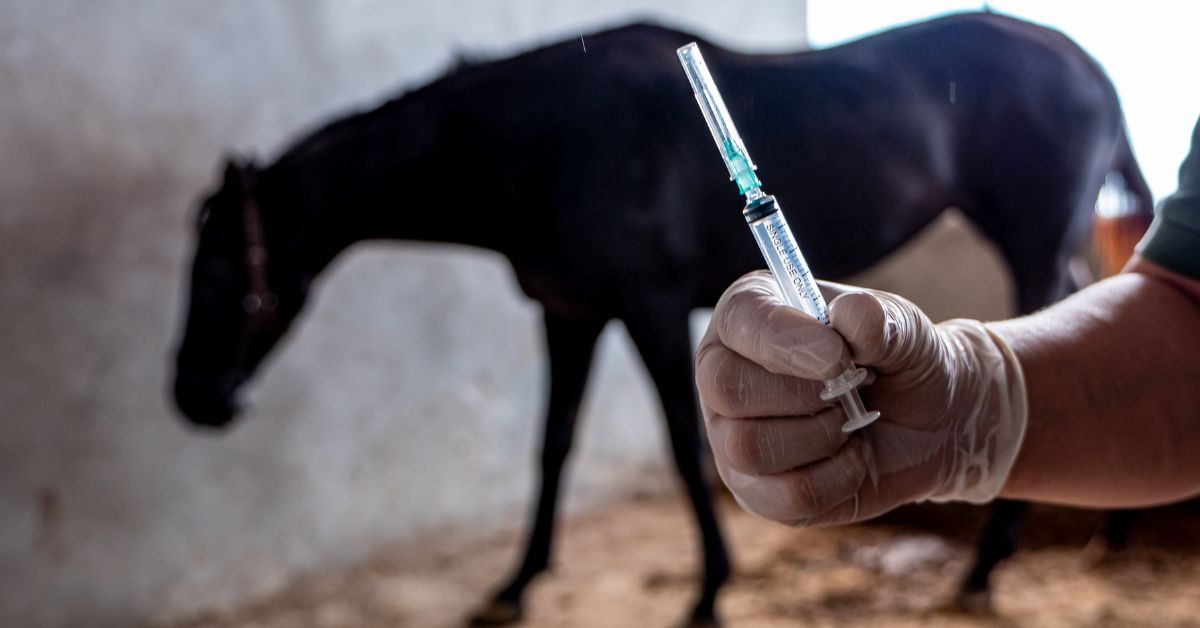
Horse anxiety medication is used to help horses stay calm during travel. Some horses feel nervous in trailers or new places. They may sweat, move too much, or refuse to load. These medications can reduce stress and make travel safer. They work by calming the horse’s mind and body in a gentle way.
Travel can be a stressful experience for many horses. Loud noises, movement, and unfamiliar surroundings can increase fear. This can be difficult for both the horse and the owner. A calm horse is easier to handle and less likely to get injured. That is why many owners look for safe solutions before a trip.
There are different types of options available today. Some are natural supplements, while others are prescribed by a vet. Each horse may respond differently, so careful choice is important. Understanding how these options work can help you pick the right one for your horse.
Prescription Horse Behavior & Anxiety Medication

Prescription horse behavior and anxiety medication is given by a veterinarian. It is used for horses with strong fear or difficult behavior. These medicines help calm the nervous system. They can reduce panic, aggression, and restlessness. In some cases, horse anxiety medication is needed before travel, training, or medical care. A vet decides the right type and dose for each horse.
These medications should be used with care and proper guidance. Every horse reacts in a different way. Some may need a small dose, while others need more support. It is also important to combine medication with good training and a calm environment. This helps improve behavior over time. Always follow your vet’s advice for safe and effective results.
Horse Calming Supplements
Horse calming supplements are used to help horses stay relaxed. They are often made from natural ingredients like herbs and minerals. Many horse owners use them for mild stress or nervous behavior. In some cases, they are used along with horse anxiety medication for better results. These supplements can support a calm mood without making the horse too sleepy.
These supplements are helpful during travel, training, or new situations. Each horse may respond in a different way. Some may show quick results, while others need time. It is important to choose a trusted product and follow the correct dosage. A calm environment and proper care can also improve results over time.
Anxious Behavior in Horses
Anxious behavior in horses is common in stressful situations. Horses may feel fear during travel, loud noises, or new environments. This can affect their mood and actions. A nervous horse may become hard to handle. Early signs are important to notice for better care. Some owners also consider horse anxiety medication when stress becomes severe.
Here are some common signs of anxiety in horses:
- Excessive sweating without heavy work
- Pacing or constant movement
- Refusing to eat or drink
- Tail swishing and ear pinning
- Difficulty loading into a trailer
- Sudden spooking or nervous reactions
Understanding these signs can help you act early. Calm handling and a safe environment are very important. Proper training and routine can also reduce stress over time.
How to Support Anxious Horses
Supporting an anxious horse takes patience and care. Horses feel safer with a calm and consistent routine. Gentle handling can reduce fear and build trust. A quiet environment also helps lower stress levels. Some owners may use horse anxiety medication in serious cases. This should always be done with veterinary advice.
It is important to understand what triggers anxiety in your horse. Good training and gradual exposure can improve confidence. Proper feeding and regular exercise also support mental health.It is possible to make a big difference by making small changes in daily care.
| Support Method | How It Helps | When to Use |
| Calm Handling | Builds trust and reduces fear | Daily interaction |
| Consistent Routine | Creates a sense of safety | Feeding and training times |
| Quiet Environment | Lowers stress and distractions | During rest and travel |
| Gradual Exposure | Helps horse adjust to new situations | Training and new experiences |
| Proper Nutrition | Supports overall health and mood | Daily feeding |
| Regular Exercise | Releases stress and energy | Daily or scheduled workouts |
| Social Interaction | Prevents loneliness | Turnout with other horses |
| Professional Training | Improves behavior and confidence | For ongoing anxiety issues |
| Veterinary Guidance | Ensures safe care and treatment | When anxiety is severe |
| Relaxation Techniques | Promotes calmness | Before stressful events |
Best Natural Supplements to Calm Anxious Horses

Natural supplements can help anxious horses stay calm without strong medications. They are usually made from herbs, minerals, and vitamins. Ingredients like chamomile, valerian root, and magnesium are common. These supplements support relaxation and reduce mild stress. Many owners use them during travel, training, or noisy events. Sometimes they are combined with horse anxiety medication for stronger effects.
These supplements are easy to use and often added to daily feed. Each horse may respond differently, so start slowly and observe results. Trusted brands and correct dosing are important for safety. Along with proper care, training, and a calm environment, natural supplements can make a big difference in reducing anxiety and improving overall behavior.
Frequently Asked Questions
Many horse owners have questions about managing anxiety in horses. Common concerns include safety, effectiveness, and proper use of treatments. Knowing the answers can help keep horses calm and healthy. Some questions also focus on travel, loud noises, and stressful situations. Horse anxiety medication is often mentioned in these discussions.
It is important to follow professional advice and observe your horse closely. Every horse is different and may react in its own way. Combining training, natural supplements, and proper care usually gives the best results. Understanding your horse’s behavior helps prevent problems before they start. Regular vet checkups also ensure safe and effective management.
Acute Stress Response in Horses
Acute stress response in horses happens when they face sudden fear or danger. This can be caused by loud noises, sudden movements, or unfamiliar places. Horses may react quickly to protect themselves. Their heart rate and breathing increase. They may sweat, pace, or spook. In some cases, horse anxiety medication can help manage severe stress.
Common signs of acute stress include:
- Rapid breathing and increased heart rate
- Sweating even without physical work
- Restlessness and pacing
- Spooking or sudden movements
- Refusal to follow commands
- Tail swishing and pinned ears
Recognizing these signs early helps prevent accidents. Calm handling and a safe environment are essential. Proper training and gradual exposure also reduce acute stress over time.
Stereotypic Behaviors in Horses
Stereotypic behaviors are repetitive actions that horses do when stressed or bored. These actions are not normal and can show that a horse is anxious. Common behaviors include cribbing, weaving, or stall walking. These behaviors can affect health and performance. In some cases, owners use horse anxiety medication along with training to help reduce these behaviors.
Understanding and managing these behaviors is important for horse well-being. Providing mental stimulation, social interaction, and a calm environment can help. Sometimes, natural supplements and proper exercise are also useful.
| Stereotypic Behavior | Description | Possible Causes | Ways to Manage |
| Cribbing | Biting or chewing on objects | Stress, boredom, confinement | Toys, increased turnout, behavior training |
| Weaving | Swaying back and forth repeatedly | Anxiety, limited space | More movement, social interaction |
| Stall Walking | Walking in circles in the stall | Boredom, stress, anticipation | Regular exercise, mental stimulation |
| Wood Chewing | Chewing on wooden fences or stalls | Nutritional deficiency, stress | Chew-safe toys, supplements, turnout |
| Head Bobbing | Repetitive nodding of the head | Anxiety, discomfort | Vet check, calming routine, training |
| Tail Swishing | Excessive tail movement | Irritation, stress | Calm handling, reduce triggers |
These steps help reduce stress and improve horse health. Early attention and consistent care are key to managing stereotypic behaviors.
Magnesium and Other Key Supplements

Magnesium is an important supplement for anxious horses. Muscles are relaxed and the nervous system is calmed by it. Many horses with stress or travel anxiety benefit from it. Other key supplements include vitamins, amino acids, and herbal blends. These ingredients support overall mental and physical health. Some owners also use horse anxiety medication together with supplements for stronger effects.
These supplements are usually easy to add to daily feed. Each horse may respond differently, so start with a small dose. Trusted brands and proper dosage are important for safety. Combined with good care, regular exercise, and a calm environment, magnesium and other supplements can help reduce stress and improve behavior over time.
Final Thoughts and Further Reading
Managing horse anxiety takes patience and care. Horses may show nervous behavior during travel, training, or new situations. Using a calm routine, proper handling, and safe supplements can help. In some cases, horse anxiety medication may be needed under veterinary guidance. Combining these approaches supports both safety and well-being.
Learning more about horse behavior can improve care. Trusted articles, vet advice, and training guides are useful resources. Observing your horse closely helps identify stress early. With the right tools and knowledge, owners can keep their horses calm, healthy, and happy.
Conclusion
Helping horses manage anxiety is very important for their health and safety. Calm handling, a consistent routine, and proper care make a big difference. Natural supplements and, when needed, horse anxiety medication can support relaxation. Every horse is different, so patience and observation are key.
Reducing stress improves behavior and prevents accidents. Combining care, training, and safe treatments gives the best results. By understanding your horse’s needs, you can keep them happy and confident. Small steps every day create long-term calm and trust.
FAQs
1. What is horse anxiety medication?
Horse anxiety medication is a treatment prescribed by a vet to calm horses during stress or nervous situations.
2. When should I use horse calming supplements?
Supplements can be used during travel, training, or mild stress to support a relaxed mood.
3. Can all horses take the same anxiety medication?
No, each horse may need a different type or dose. Always follow your veterinarian’s guidance.
4. Are natural supplements safe for anxious horses?
Yes, natural supplements like herbs and minerals are generally safe when used correctly.
5. How can I reduce my horse’s stress daily?
Provide a calm routine, regular exercise, mental stimulation, and proper handling to keep your horse relaxed.