Ear Symptoms Anxiety: Symptoms and Treatments
Ear symptoms anxiety happens when stress or worry affects your ears. People may feel ringing, fullness, or pressure in their ears. Sometimes, these feelings come with dizziness or a sense of imbalance. It is not always a serious ear problem, but anxiety can make it feel worse.
Many people do not realize anxiety can cause real ear symptoms. You might wonder, “Is it my ear or my mind?” This confusion can make anxiety stronger. Understanding the connection is important to find relief.
In this article, we will explore common ear symptoms linked to anxiety. We will also discuss ways to manage them and possible treatments. By learning more, you can take steps to feel calmer and improve your ear comfort.
Dizziness, Confusion, and Plugged Ears: Is Anxiety to Blame?

Dizziness, confusion, and a plugged ear feeling can be very uncomfortable. These signs often happen during stress or worry. Ear symptoms anxiety can affect how your body feels and reacts. Your focus may be impaired or you may feel lightheaded. Your ears may seem blocked due to tension and pressure changes.
Many people think these symptoms mean something serious. This fear can make anxiety stronger. In many cases, ear symptoms anxiety is the real cause behind these feelings. When your mind relaxes, the symptoms often get better. Simple steps like deep breathing and rest can help you feel more normal again.
Can Anxiety Cause Dizziness and Ear Pressure?
Yes, anxiety can cause dizziness and ear pressure. When you feel stressed, your body goes into alert mode. Breathing may become shallow and fast. This can reduce oxygen balance and make you feel dizzy. Muscle tension can also build up around the head and ears, creating a feeling of pressure or fullness.
These symptoms can feel scary, but they are usually not dangerous. They are a normal response to stress. As your body calms down, the dizziness and pressure often fade. Simple habits like slow breathing, relaxing your muscles, and taking breaks can help reduce these feelings.
How Does Anxiety Cause Ear Pressure?
Anxiety can make your body feel tense and alert. This tension can affect the muscles around your head and ears. Ear symptoms anxiety often includes a feeling of pressure or fullness. When these muscles tighten, your ears may feel blocked. Stress can also change your breathing pattern and make the feeling stronger.
Here are some common ways ear symptoms anxiety can lead to ear pressure:
- Muscle tension around the jaw and ears
- Fast or shallow breathing
- Changes in blood flow during stress
- Increased body sensitivity
- Clenching of the jaw or teeth
These effects are usually not harmful. When your body relaxes, the pressure often gets better. Simple calming steps can help you feel normal again.
Clogged Ears and Vertigo: Two Symptoms of Anxiety
Clogged ears and vertigo can feel strange and uncomfortable. Many people notice these symptoms during stress. Anxiety can affect balance and ear pressure. This can make your ears feel blocked. It can also cause a spinning or dizzy feeling.
These symptoms are often not dangerous. They are linked to how your body reacts to stress. When you calm down, they usually improve. Understanding this can reduce fear. Simple relaxation methods can help you feel better.
| Symptom | How It Feels | Anxiety Cause | When It Happens | Simple Relief Tips |
| Clogged Ears | Full or blocked feeling | Muscle tension, pressure change | During stress or panic | Deep breathing, relaxation |
| Vertigo | Spinning or dizzy sensation | Balance disruption, fast breathing | Anxiety episodes | Sit down, slow breathing |
| Ear Pressure | Tight or heavy ears | Tension in ear muscles | High stress moments | Gentle jaw relaxation |
| Lightheadedness | Faint or weak feeling | Low oxygen from fast breathing | Panic or worry | Controlled breathing exercises |
| Ringing Ears | Buzzing or humming sound | Nerve sensitivity | Ongoing anxiety | Rest and reduce stress |
Anxiety-Related Ear Pressure vs. Medical Conditions

Ear pressure can happen due to anxiety or a medical problem. Ear symptoms anxiety often cause fullness, popping, or mild pain. These symptoms usually appear during stress and often improve when you relax. They are linked to how your body reacts to tension.
Medical conditions can also lead to ear pressure. Ear infections, fluid buildup, or sinus problems may cause similar feelings. These usually last longer and may need treatment. If ear symptoms anxiety or pressure continue, it is best to consult a doctor to rule out other causes.
Common Symptoms of Pulsatile Tinnitus
Pulsatile tinnitus is when you hear a rhythmic sound in your ears. The sound often matches your heartbeat. Ear symptoms anxiety can sometimes make these sounds feel louder or more noticeable. You may hear ringing, whooshing, or thumping in one or both ears. Many people notice it more in quiet places or at night.
Other symptoms can appear with pulsatile tinnitus. You may feel ear fullness, pressure, or mild dizziness. Ear symptoms anxiety can also make it harder to focus or sleep. While these sounds can be uncomfortable, they are usually not dangerous. Simple lifestyle changes and medical guidance can help manage the condition.
Managing Anxiety and Remedies for Plugged Ears
Managing anxiety can help reduce plugged ear sensations. Stress and worry can make your ears feel full or blocked. Simple steps can calm your body and ease discomfort. Relaxation techniques are very effective. Regular practice can prevent symptoms from getting worse.
Here are some remedies for plugged ears caused by anxiety:
- Take slow, deep breaths to relax your body
- Gently massage your jaw and around your ears
- Avoid loud noises and rest in a quiet place
- Stay hydrated and maintain good posture
- Practice mindfulness or meditation daily
These steps can reduce ear pressure and improve comfort. When combined with stress management, they often help symptoms fade faster.
How to Relieve Dizziness and Ear Pressure from Anxiety
Dizziness and ear pressure can feel overwhelming during stress. Ear symptoms anxiety often happen when your body reacts to tension. Fast breathing, muscle tightness, and increased heart rate can make these feelings worse.Fortunately, simple techniques can help. Calming your body often eases ear symptoms anxiety and related discomfort.
Here are some ways to relieve dizziness and ear pressure caused by anxiety:
| Method | How It Helps | How to Do It | Tips for Best Results |
| Deep Breathing | Reduces tension and improves oxygen | Inhale slowly, hold, exhale gently | Repeat for 5–10 minutes |
| Gentle Neck and Jaw Stretch | Relieves ear and head muscle tension | Slowly move neck and open jaw | Do this 2–3 times a day |
| Hydration | Prevents lightheadedness | Drink water regularly | Keep a bottle nearby |
| Rest in a Quiet Space | Reduces sensory overload | Sit or lie down in a calm area | Use soft lighting or earplugs |
| Mindfulness Meditation | Calms the mind and lowers stress | Focus on breath or sounds | Practice daily for better results |
| Avoid Caffeine & Sugar | Reduces jitteriness | Limit coffee, energy drinks, sweets | Monitor symptoms and adjust intake |
Using these strategies consistently can ease dizziness, ear pressure, and ear symptoms anxiety. Combining relaxation with awareness of triggers often provides the best relief.
Ways to Manage Anxiety, Ear Pressure, and Dizziness
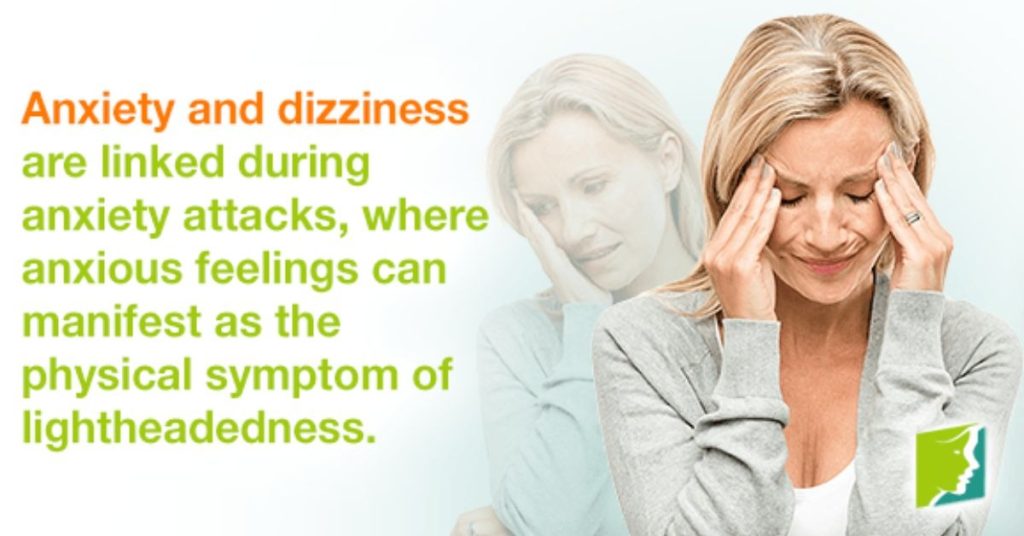
Managing anxiety can help reduce ear pressure and dizziness. Stress can make your body tense and affect your ears. Simple habits can calm your mind and body. This can ease the uncomfortable feelings in your head and ears. Small daily practices make a big difference over time.
Here are some effective ways to manage these symptoms:
- Take slow, deep breaths to relax
- Gently stretch your neck and jaw
- Rest in a quiet, calm space
- Stay hydrated and eat healthy
- Practice mindfulness or meditation
Using these steps regularly can help reduce ear pressure, dizziness, and anxiety. As you age, your body becomes more resilient to stress.
When to Seek Professional Help for Ear Pain and Anxiety
Ear pain and anxiety can sometimes be managed at home. But if ear symptoms anxiety become severe or persistent, professional help is important. See a doctor if pain lasts more than a few days, comes with dizziness, or affects daily life. Persistent anxiety also needs attention to prevent further complications.
Other signs to watch for include hearing loss, ringing, or fluid in the ears. A healthcare professional can determine if a medical condition is causing the symptoms. They can also suggest treatments for anxiety that help reduce ear symptoms anxiety. Getting help early can improve comfort and overall well-being.
Conclusion
Ear symptoms anxiety can be uncomfortable and worrying. It may cause ear pressure, dizziness, or a ringing sound. The good news is that these symptoms are usually not dangerous. Simple steps like deep breathing, rest, and relaxation can help a lot.
Managing stress and paying attention to your body is important. If symptoms persist, seeing a doctor can provide guidance and relief. With the right care and habits, ear symptoms anxiety can become easier to handle. Staying calm and consistent often brings the best results.
FAQs
- Can anxiety cause ear ringing?
Yes, anxiety can trigger tinnitus, making your ears ring even without hearing damage. - Why do my ears feel full during stress?
Stress can affect ear pressure and fluid balance, creating a sense of fullness. - Is dizziness related to ear symptoms anxiety?
Yes, anxiety can cause lightheadedness or balance issues along with ear discomfort. - How can I reduce ear symptoms caused by anxiety?
Relaxation techniques, deep breathing, and mindfulness can help ease these symptoms. - Do I need a doctor for ear symptoms anxiety?
If symptoms persist or worsen, a doctor can rule out other ear problems and suggest treatment.