Anxiety Attack After Surgery: Simple Relief Guide
An anxiety attack after surgery is a sudden feeling of fear or panic that can happen during recovery. It may include a fast heartbeat, shortness of breath, dizziness, or a sense of losing control. This can happen because your body and mind are under stress after a medical procedure. Pain, medications, and changes in routine can all play a role.
You may feel confused or worried when this happens. You might ask yourself, “Is something wrong with me?” The truth is, many people experience anxiety after surgery. It is more common than you think, and it does not mean something is seriously wrong.
This condition can be managed, which is good news. Simple steps like deep breathing, rest, and support from loved ones can help you feel better. Understanding what is happening is the first step toward feeling calm and in control again.
Postoperative Panic Attack: What to Do?

If you feel sudden fear after a procedure, try to stay calm.Lie down or sit in a safe place. Take slow, deep breaths and focus on your breathing. Remind yourself that the feeling will pass soon. It can help to talk to someone you trust.Keeping your body relaxed and avoiding overthinking is important. An anxiety attack after surgery can feel scary, but it is usually temporary.
Give your body time to recover by drinking water.Take your medicines according to your doctor’s instructions. Gentle movement, like a short walk, may help if approved. Try to rest and avoid stress as much as possible. If symptoms keep coming back or feel worse, contact your doctor. Getting support early can make recovery smoother and help you feel more in control.
What Is Postoperative Anxiety?
Postoperative anxiety is a feeling of worry or fear after surgery. It can happen during recovery when the body is healing. People may feel restless, nervous, or uneasy without a clear reason. Sleep problems, fast heartbeat, or sweating can also occur. An anxiety attack after surgery may happen in some cases, especially when stress is high.
There are many causes of this condition, including pain, medications, and fear of recovery. Changes in routine and limited movement can also increase stress. Emotional support and proper rest can help reduce these feelings. Simple steps like deep breathing and staying informed about recovery can make a big difference.
Why Do Panic Attacks Occur After Surgery?
Panic attacks after surgery can happen for many reasons. The body goes through stress during and after a procedure. Pain, weakness, and lack of sleep can make emotions stronger. Some people may also feel fear about healing or possible complications. An anxiety attack after surgery can be triggered when both the body and mind feel overwhelmed.
There are a few common causes that can lead to these feelings:
- Effects of anesthesia or medications
- Physical pain or discomfort
- Fear of slow recovery or complications
- Changes in daily routine and limited movement
- Lack of sleep or fatigue
- Emotional stress and overthinking
Understanding these causes can help you feel more in control. With proper care, rest, and support, these feelings usually improve over time.
Symptoms of Anxiety and Panic After Surgery
After surgery, some people may feel anxious or uneasy. These feelings can affect both the body and the mind. You may notice a fast heartbeat, sweating, or trouble breathing. Some people feel dizzy or weak. Constant worry and sleep problems are also common problems. An anxiety attack after surgery can make these symptoms feel more intense and sudden.
These symptoms can come and go during recovery. They are often linked to stress, pain, or fear of healing. It is important to understand these signs early. This helps you manage them better and seek help if needed. Below is a table of common symptoms and what they may feel like.
| Symptom | What You May Feel | When It Happens | Simple Tip |
| Fast Heartbeat | Heart racing or pounding | During stress or panic | Try slow breathing |
| Shortness of Breath | Difficulty breathing deeply | Sudden anxiety moments | Sit and relax |
| Dizziness | Lightheaded or faint feeling | Standing or moving quickly | Rest and hydrate |
| Sweating | Cold or excessive sweating | Panic episodes | Stay cool and calm |
| Chest Tightness | Pressure in chest area | During fear or worry | Practice deep breathing |
| Trouble Sleeping | Difficulty falling or staying asleep | Night time | Create a calm routine |
| Restlessness | Feeling unable to sit still | Throughout the day | Gentle movement helps |
| Nausea | Upset stomach feeling | After stress or meds | Eat light meals |
| Overthinking | Constant worrying thoughts | Quiet moments | Focus on positive thoughts |
| Fatigue | Feeling very tired | All day | Take proper rest |
Does Anesthesia or Surgery Cause Anxiety?
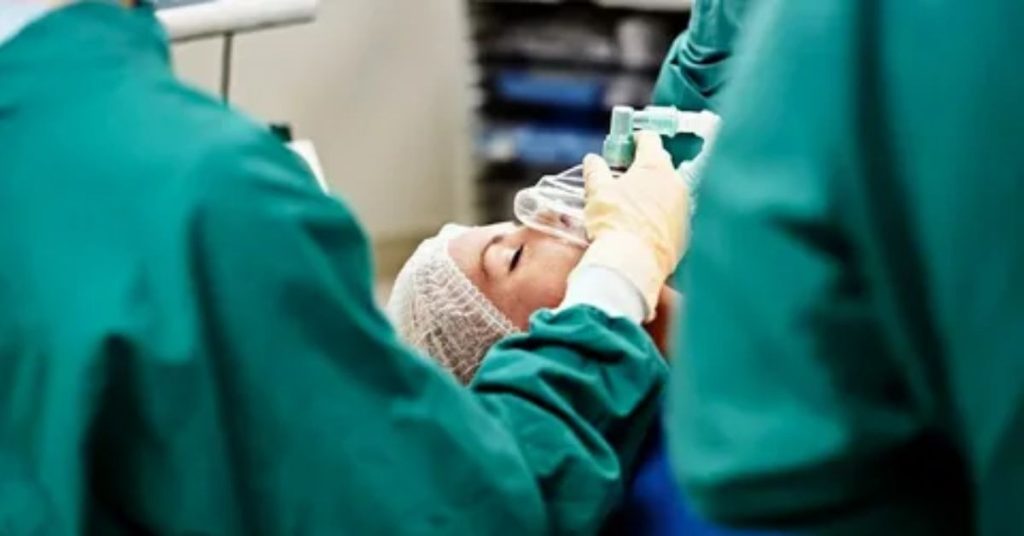
Yes, anesthesia and surgery can sometimes lead to feelings of anxiety. The body goes through stress during a medical procedure. Anesthesia can affect the brain for a short time, which may cause confusion or mood changes. Pain, discomfort, and hospital surroundings can also add to these feelings. In some cases, an anxiety attack after surgery may happen as the body and mind adjust after the procedure.
Feelings like these are usually temporary and improve over time. Good rest, proper care, and support can help reduce anxiety. Talking to your doctor about your symptoms is also important. Understanding what is happening can make you feel more relaxed and in control during recovery.
How Long Does Post-Surgery Anxiety and Depression Last?
Post-surgery anxiety and depression can last for different times in different people. Some may feel better in a few days, while others may take weeks. Recovery, pain, and stress levels all affect how long these feelings stay. An anxiety attack after surgery may appear suddenly, even if you were feeling fine before.
It is normal to have ups and downs during recovery. Getting enough rest, following doctor’s advice, and talking to loved ones can help. If symptoms last longer than a few weeks or become severe, it is important to seek medical help.Recovery can be sped up and made easier with early support.
How to Calm Yourself Before and After Surgery
Feeling nervous before or after surgery is normal. Worry and fear can make your body tense. Preparing yourself can reduce stress and help your recovery. An anxiety attack after surgery may be less likely if you use simple calming techniques.
Here are some ways to calm yourself:
- Take slow, deep breaths to relax your body
- Listen to soothing music or guided meditation
- Talk to a family member, friend, or doctor about your feelings
- Plan your recovery routine to feel in control
- Rest well and avoid too much stimulation or stress
- Focus on positive thoughts and small goals each day
Using these steps can help you feel calmer and more confident before and after surgery. Small actions often make a big difference in recovery and mental well-being.
Non-Pharmacological Approaches to Manage Postoperative Anxiety
Postoperative anxiety can be managed without medications. Simple techniques can calm your mind and body. These methods help reduce stress, improve sleep, and speed recovery. Even if you experience an anxiety attack after surgery, non-drug approaches can provide relief and support.
Here is a table of common non-pharmacological approaches and how they help:
| Approach | Description | How It Helps | Tips for Use |
| Deep Breathing | Slow, controlled breathing exercises | Reduces heart rate and stress | Practice 5–10 minutes daily |
| Meditation | Mindfulness or guided meditation | Calms the mind and improves focus | Use apps or quiet space |
| Progressive Muscle Relaxation | Tensing and relaxing muscles | Reduces physical tension | Concentrate on relaxing one muscle group at a time. |
| Gentle Exercise | Walking, stretching, or yoga | Releases stress and improves mood | Follow doctor’s advice for activity level |
| Music Therapy | Listening to calming music | Distracts and soothes emotions | Choose soft, slow music |
| Journaling | Writing thoughts and feelings | Helps process emotions | Spend a few minutes daily |
| Visualization | Imagining a peaceful place | Reduces anxiety and fear | Close eyes and focus on details |
| Aromatherapy | Using essential oils like lavender | Promotes relaxation | Use a diffuser or a few drops on cloth |
| Social Support | Talking to friends, family, or support groups | Reduces feelings of isolation | Share worries openly |
| Mindful Activities | Reading, puzzles, or creative work | Keeps mind occupied and calm | Choose enjoyable tasks |
These approaches are safe, effective, and easy to use. Regular practice can lower anxiety and improve your overall recovery experience.
How to Help Someone Experiencing Anxiety After Surgery

Helping someone after surgery starts with being calm and patient. Listen to their worries without judgment. Reassure them that their feelings are normal and will pass. If they experience an anxiety attack after surgery, stay with them and encourage slow, deep breaths. Providing even small support can help a lot.
You can also help by creating a safe and comfortable environment. Offer water, help with light tasks, and remind them to rest. Encourage gentle movement if approved by the doctor. Avoid rushing or giving too much advice at once. Being present and supportive helps them feel secure and less stressed during recovery.
Start the Path to Healing from Post-Op Anxiety Today
Healing from post-op anxiety begins with small steps. Recognize your feelings and accept that they are normal. You should practice deep breathing, rest, and gentle movement. Talking to a loved one or doctor can help. If you experience an anxiety attack after surgery, use calming techniques to regain control.
Set simple daily goals for your recovery. Take time for self-care, like listening to music or journaling. Avoid overthinking or stressing about the future. Celebrate small improvements and be patient with yourself. Starting these steps today can make your recovery smoother and help you feel calmer each day.
Conclusion
Recovering from surgery can be stressful, and feeling anxious is normal. Many people experience an anxiety attack after surgery. The key is to understand your feelings and take small steps to manage them. Simple techniques like deep breathing, rest, and support from loved ones can help a lot.
Remember, recovery is a process and takes time. Be patient with yourself and focus on small improvements each day. Seeking help from doctors or therapists when needed is okay. With care, support, and healthy habits, you can feel calmer and stronger as you heal.
FAQs
1. What is an anxiety attack after surgery?
It is a sudden feeling of fear or panic that can happen during recovery, causing rapid heartbeat, sweating, or shortness of breath.
2. How common is post-surgery anxiety?
Many patients experience it; stress, pain, and changes in routine make it fairly common after surgery.
3. How can I calm myself during a post-op anxiety attack?
Try slow deep breathing, rest in a safe place, and talk to a loved one or medical professional for support.
4. Can lifestyle changes help with post-surgery anxiety?
Yes, simple steps like gentle exercise, proper sleep, mindfulness, and avoiding stress can reduce anxiety.
5. When should I seek medical help for post-op anxiety?
If anxiety lasts for weeks, worsens, or causes severe symptoms, contact your doctor or a mental health professional promptly.