

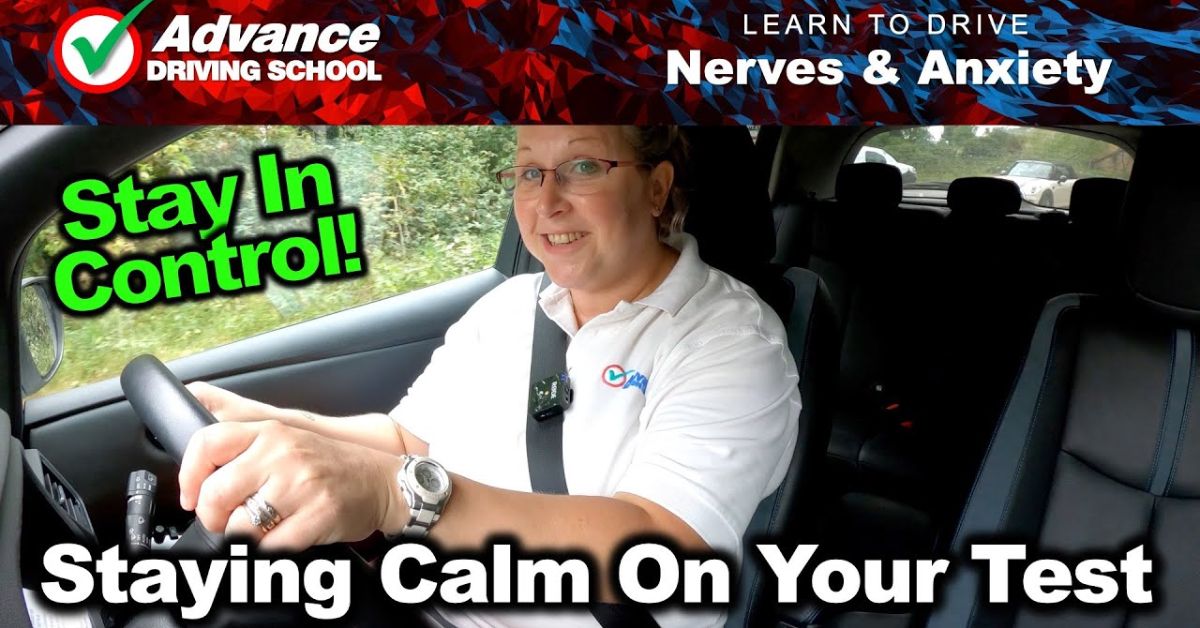
Anxiety and driving lessons are common for new drivers. It means feeling nervous, scared, or unsure while learning to drive. Many beginners worry about making mistakes on the road. These feelings are a normal part of anxiety and driving lessons.
Do you feel your heart race before your lesson starts? Do your hands shake when you hold the steering wheel? You are not alone in this. Many learners experience anxiety and driving lessons in the beginning. The good news is that this fear can improve with time.
With practice and the right support, things get easier. Small steps can help you feel more in control. This guide will share simple tips to manage anxiety and driving lessons and build your confidence.
Overcoming Driving Lesson Nerves: How to Stay Calm Behind the Wheel
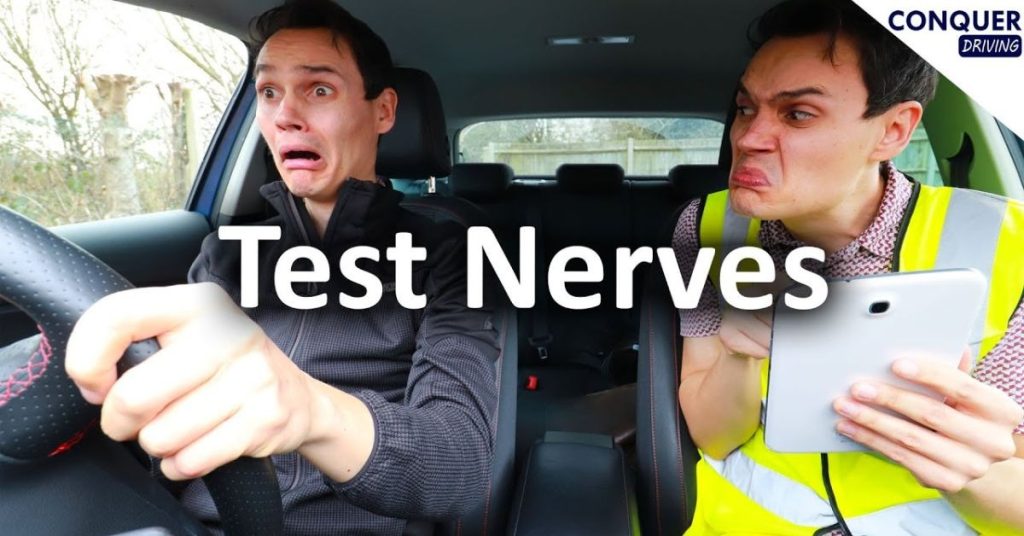
Feeling nervous during anxiety and driving lessons is very common. Your mind may focus on mistakes or fear of failure. Try to take slow, deep breaths before you begin.Keep in mind that learning takes time and patience. Stay focused on one step at a time during anxiety and driving lessons.There is no need to be perfect.
It also helps to trust your instructor and follow simple guidance. Keep your hands relaxed on the wheel and your mind calm. Practice regularly to build confidence over time. Many learners improve as they continue anxiety and driving lessons. Small progress matters more than speed, and confidence will grow naturally.
Driving Lesson Anxiety: 10 Tips for Nervous Drivers
Feeling nervous before a driving lesson is very normal. Many new drivers feel this way at the start. Your mind may think about mistakes or fear of failure. Stay calm and take slow, deep breaths.Keep your focus on one task at a time. Listen carefully to your instructor and follow simple steps. Do not rush yourself while learning.
You can also build confidence with small actions.Maintain a regular practice schedule and be patient with your progress. Get enough rest before your lesson. Positive self-talk can help you feel stronger. Remind yourself that you are learning, not being judged. With time and practice, your anxiety will reduce, and driving will feel easier.
What Causes Driving Anxiety and How to Recognize It
Anxiety and driving lessons can feel challenging for many beginners. There are a number of reasons for this fear. Some people worry about making mistakes on the road. Others think about accidents or losing control. Past bad experiences can also increase anxiety and driving lessons stress. New drivers may feel pressure to do everything perfectly.
You can recognize anxiety and driving lessons through simple signs in your body and mind. Common signs include:
- Fast heartbeat or heavy breathing
- Sweaty hands or shaking
- Feeling tense or unable to relax
- Overthinking every small action
- Wanting to avoid lessons
Noticing these signs early can help you manage anxiety and driving lessons better. With time and practice, you can feel more calm and confident behind the wheel.
Signs You Might Have Driving Anxiety
Anxiety while driving can manifest in different ways. You may feel nervous before even starting the car. Your body may react with stress and tension. Some people avoid driving completely. Others feel fear only in certain situations like traffic or highways. Signs such as these are common and are not to be ashamed of.
Early detection of these signs is crucial. They can affect your confidence and learning speed. It is easier to manage your feelings when you understand them. With small steps and regular practice, driving can become easier. Confidence grows slowly over time.
| Sign | What It Feels Like | When It Happens | Effect on Driving |
| Fast heartbeat | Heart racing quickly | Before or during driving | Hard to stay calm |
| Sweaty hands | Hands feel wet or cold | Holding the steering wheel | Poor grip and control |
| Shaking | Body or hands tremble | Starting or stopping the car | Less smooth driving |
| Overthinking | Too many thoughts at once | While making decisions | Slow reactions |
| Fear of mistakes | Worry about doing something wrong | During lessons | Low confidence |
| Avoidance | Skipping or delaying lessons | Before driving time | Slower learning progress |
| Panic feeling | Sudden fear or stress | In traffic or busy roads | Loss of focus |
| Tension | Tight muscles in body | While driving | Discomfort and stress |
| Negative thoughts | Thinking “I can’t do this” | Before and during driving | Reduced motivation |
| Trouble focusing | Mind feels distracted | During driving tasks | Increased risk of errors |
How Driving Schools Can Help Anxious Drivers
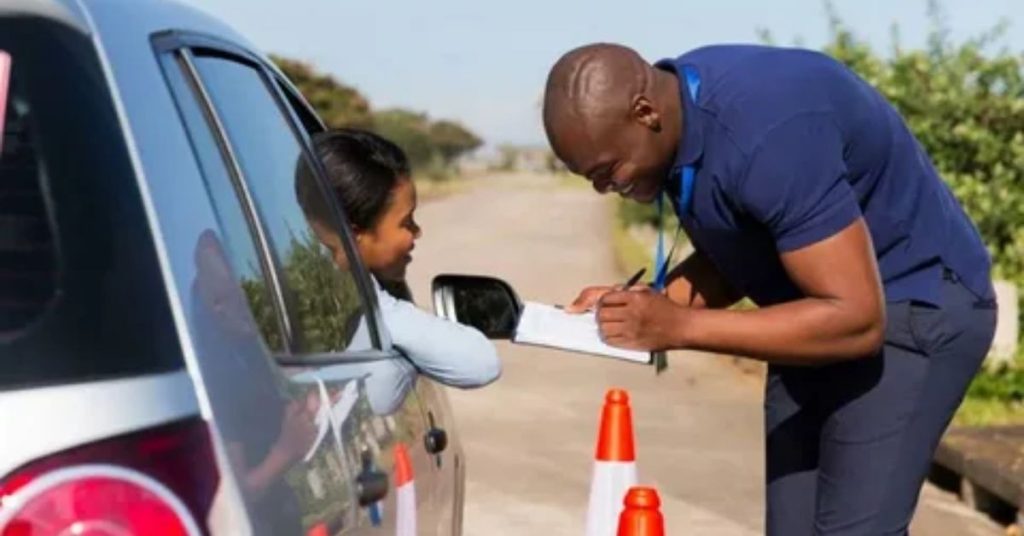
Driving schools play a big role in reducing anxiety and driving lessons stress. Instructors are trained to be patient and supportive. They guide learners step by step. Lessons start slowly and focus on comfort first. This helps new drivers feel safer and more confident behind the wheel.
Schools also provide structured practice in different situations. You can learn in quiet streets before moving to busy roads. Instructors give tips to manage nervousness and fear. Small achievements build confidence over time. With regular lessons, anxious drivers can gradually enjoy driving.
Practical Techniques for Reducing Driving Anxiety
There are simple ways to reduce anxiety and driving lessons stress. Start by taking deep breaths before and during driving. Focus on a single task at a time. Positive self-talk, like saying “I can do this,” helps calm nerves. Listening carefully to your instructor also reduces pressure.
Practice frequently in low-risk areas to feel more confident. Break lessons into small steps, like starting, stopping, and turning. Avoid rushing yourself. Using these practical techniques consistently can make driving feel easier. Over time, anxiety and driving lessons become much more manageable.
Preparing for Your Driver’s License Test in a Stress-Free Way
Preparing for your driver’s license test does not have to be stressful. Start by practicing regularly and reviewing the rules of the road. Take mock tests to get used to the format. Keep your focus on learning, not on fear of failing. Small steps help you stay calm and confident.
You can also use simple strategies to reduce anxiety and driving lessons stress:
- Take deep breaths before and during the test
- Visualize yourself driving successfully
- Practice in different traffic situations
- Get plenty of rest the night before
- Listen carefully to instructions from your examiner
By following these steps, you can approach your driver’s test calmly. Stress will reduce, and your confidence will grow. Feeling prepared makes the experience easier and more positive.
Gradual Exposure and Simulation Techniques for Confident Driving
Gradual exposure helps reduce anxiety and driving lessons stress step by step. Beginners start in quiet areas with simple driving tasks. As confidence grows, they move to busier streets and longer drives. This slow approach makes driving feel safer and less overwhelming. Repeated practice builds comfort and control behind the wheel.
Simulation techniques can also help anxious drivers. Practicing in a safe, controlled environment prepares you for real situations. Many schools use simulators or mock exercises to teach skills without pressure. Combining gradual exposure and simulation makes learning faster and less stressful.
| Technique | How It Works | Benefit | Best For |
| Quiet street practice | Drive in low-traffic areas | Reduces fear of accidents | Beginners |
| Short trips | Start with 5-10 minutes drives | Builds confidence gradually | All learners |
| Controlled intersections | Practice stopping and turning | Teaches safe decision-making | Nervous drivers |
| Highway simulation | Use simulators or empty roads | Prepares for busy traffic | Intermediate learners |
| Night driving in low traffic | Gradual exposure to new conditions | Reduces anxiety at night | Anxious drivers |
| Parallel parking drills | Practice repeatedly in safe spaces | Builds technical skill | Beginners |
| Mock driving tests | Simulate real test scenarios | Reduces test-day anxiety | Learners preparing for license |
| Step-by-step challenges | Increase difficulty slowly | Builds long-term confidence | All learners |
| Guided instructor sessions | Instructor gives calm instructions | Reduces pressure and fear | Highly anxious learners |
| Visualization techniques | Imagine driving successfully | Mentally prepares for real driving | All learners |
This combination of gradual exposure and simulation helps drivers manage anxiety. With practice, driving becomes more natural, safe, and confident.
When to Seek Professional Help for Driving Anxiety
Sometimes anxiety and driving lessons stress can be too strong to manage alone. If fear keeps you from starting lessons, it may be time to get help. Severe symptoms like panic attacks, rapid heartbeat, or shaking during driving are signs to seek support. Professional guidance can make learning safer and more comfortable.
Therapists, counselors, or specialized driving instructors can provide strategies. They teach relaxation techniques, gradual exposure, and coping methods. You do not need to face anxiety and driving lessons alone. Early support helps build confidence faster and makes driving a positive experience.
Maintaining Confidence After You Pass Your Driving Test
Passing your driving test is a big achievement, but staying confident is important. Anxiety and driving lessons may leave some nervous habits. Keep practicing regularly, even after you get your license. Start with familiar routes and gradually try new roads. Small, consistent practice helps build lasting confidence.
You can also use simple strategies to stay calm and focused. Plan your trips ahead to reduce stress. Take breaks if you feel tense.Think about your skills and past achievements. Talking to experienced drivers or a mentor can help. Maintaining confidence ensures driving remains safe and enjoyable.
Conclusion
Driving anxiety is common, especially for new drivers. Feeling nervous during anxiety and driving lessons is normal. With patience, practice, and the right support, you can overcome fear. Small steps make a big difference in building confidence behind the wheel.
Remember to stay calm, take deep breaths, and focus on one task at a time. Use techniques like gradual exposure, practice, and positive self-talk. Seeking help when needed is okay. Over time, driving can become enjoyable, safe, and stress-free.
FAQs
- What is driving anxiety?
Driving anxiety is fear or nervousness experienced while learning or driving a car. - Is it normal to feel anxious during driving lessons?
Yes, many new drivers feel nervous or worried when learning to drive. - How can I reduce anxiety during lessons?
Practice regularly, take deep breaths, and use positive self-talk to stay calm. - When should I seek professional help for driving anxiety?
If fear is extreme, causes panic, or stops you from learning, consider professional support. - Can anxiety go away with practice?
Yes, gradual exposure and consistent practice help most drivers feel confident over time.
