


Anxiety is a feeling of worry, fear, or nervousness. It can appear during exams, deadlines, or social situations. Executive function is the brain’s management system. It helps you plan, stay organized, control impulses, and focus on tasks. When stress levels rise, these mental skills can become weaker.
Have you ever felt so overwhelmed that you could not think clearly? You may forget simple things or struggle to complete basic tasks. This does not mean you are careless or incapable. It often shows how anxiety affects brain performance. Many people experience challenges with anxiety and executive function in their daily routines.
Understanding anxiety and executive function can help you take the right steps forward. Small changes like building routines, practicing relaxation, and improving time management can make a big difference. With proper support, it is possible to regain focus, improve planning skills, and feel more in control again.
How Anxiety Impacts Executive Function
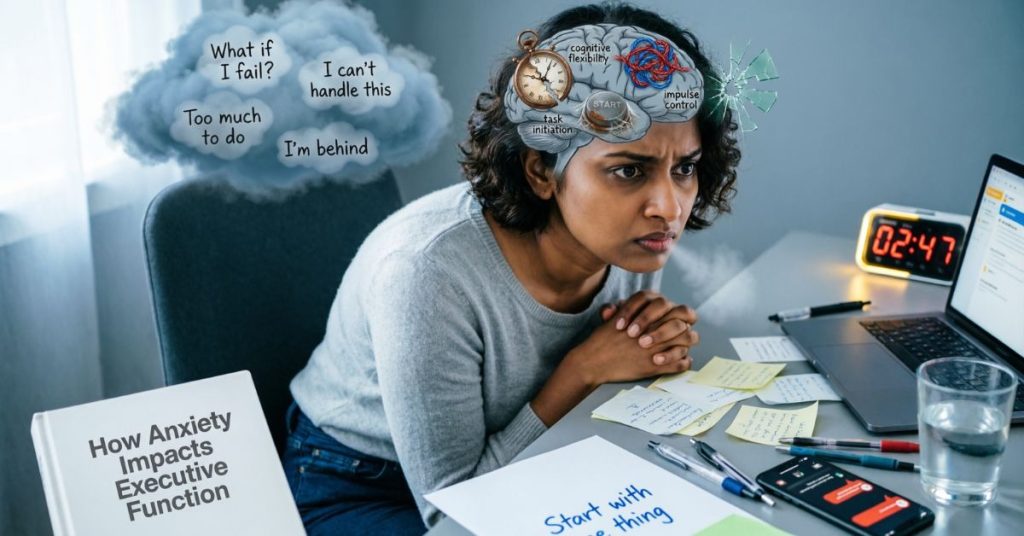
Anxiety can make it hard to think clearly. The brain shifts into survival mode. It focuses on fear instead of daily tasks. Planning and organizing become more difficult. You may forget simple details or struggle to manage time. Decisions can feel heavier than they should.
Many people notice a strong link between anxiety and executive function in daily life. Focus becomes weaker under stress. Starting or finishing tasks feels overwhelming. Self-control may also decline. Small problems can seem much bigger than they are. Over time, this cycle increases frustration and lowers confidence.
Anxiety and Executive Function: 2 Sides of the Same Coin?
Anxiety and executive function often affect each other. When anxiety rises, thinking skills can drop. Planning becomes harder. Focus becomes weak. It may feel like your brain is working against you. Stress takes control of your attention and energy.
At the same time, weak executive skills can increase anxiety. When tasks pile up, worry grows. Missed deadlines create more stress. Poor organization can lead to panic. This is why anxiety and executive function can feel like two sides of the same coin. One problem can easily make the other worse.
Impaired Inhibition
Impaired inhibition means difficulty controlling impulses and reactions. It becomes hard to pause before speaking or acting. Anxiety can weaken this control system. The brain stays on alert and reacts quickly. Small triggers can lead to strong emotional responses. You may say things you did not mean or act without thinking.
Common signs of impaired inhibition include:
- Interrupting others during conversations
- Acting quickly without thinking about results
- Difficulty resisting distractions
- Emotional outbursts during stress
- Trouble stopping negative thoughts
These challenges can affect school, work, and relationships. With practice and support, self-control can improve over time.
Working Memory Deficits
Working memory is the brain’s ability to hold and use information for short periods. Anxiety and executive function are closely linked, and anxiety can make working memory weaker. You may forget instructions, lose track of tasks, or struggle to follow steps. Even simple tasks like remembering names or numbers can feel hard. This can make learning, planning, and problem-solving more difficult.
Some common working memory difficulties caused by anxiety include:
| Challenge | Example | Impact on Daily Life |
| Forgetting instructions | Teacher gives 3 steps, student remembers 1 | Missed tasks or errors |
| Losing focus | Reading a paragraph but forgetting it immediately | Difficulty studying |
| Trouble multitasking | Trying to cook and talk on phone | Mistakes or accidents |
| Forgetting appointments | Dates and meetings slip from mind | Missed deadlines |
| Forgetting names | Meeting new people | Social awkwardness |
| Difficulty following steps | Completing forms or projects | Slower work or frustration |
By understanding anxiety and executive function together, you can use strategies to help working memory. Notes, reminders, and routines reduce stress. With support, daily tasks become easier to manage.
Cognitive Flexibility & Rigid Thinking
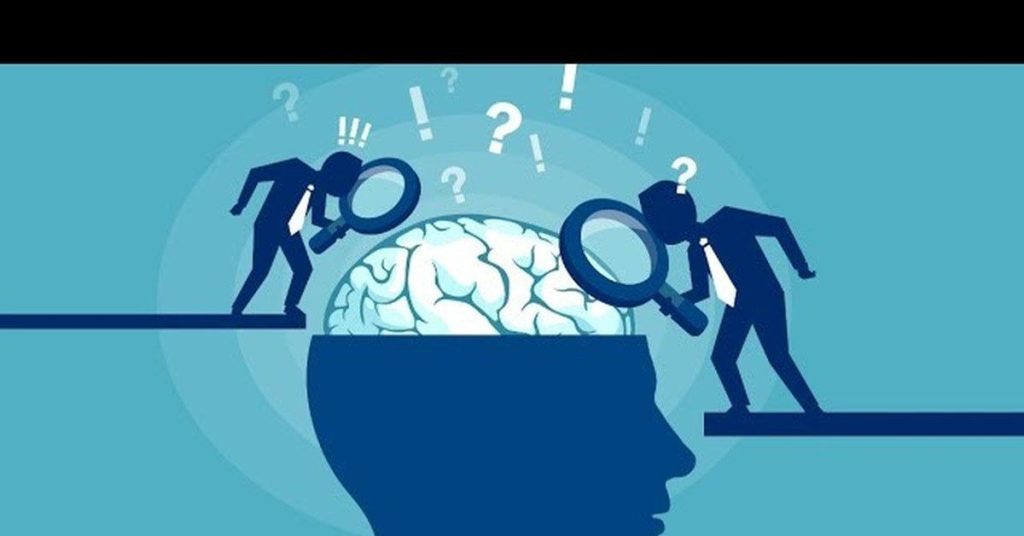
Cognitive flexibility is the ability to adapt your thinking to new situations. Anxiety and executive function are closely connected, and high anxiety can reduce flexibility. Thinking may become rigid. You may stick to one plan or idea, even if it does not work. Trying new approaches can feel stressful or overwhelming.
Rigid thinking can affect school, work, and relationships. Mistakes may feel bigger than they are. People may struggle to see other perspectives or adjust plans. Understanding anxiety and executive function together can help. Practicing problem-solving, taking small steps, and staying calm can improve cognitive flexibility over time.
Difficulties with Planning
Planning is the skill of organizing tasks and setting goals. Anxiety can make planning very hard. When your mind is busy with worry, it is difficult to focus on steps or deadlines. You may forget important tasks or feel unsure where to start. This can cause stress and frustration.
Difficulties with planning affect work, school, and daily life. Tasks may take longer or be incomplete. People may feel overwhelmed by even simple routines. Understanding anxiety and executive function together can help. Using lists, schedules, and step-by-step approaches can make planning easier and reduce stress.
Focusing Attention
Focusing attention means keeping your mind on one task at a time. Anxiety can make this very hard. The mind jumps between worries and tasks. Even simple work can feel distracting. It becomes difficult to complete tasks or follow instructions.
Common signs of trouble focusing include:
- Easily distracted by noises or thoughts
- Forgetting what you were doing
- Struggling to follow conversations
- Difficulty finishing tasks on time
- Feeling restless or fidgety
Understanding anxiety and executive function can help improve focus. Using short breaks, quiet spaces, and checklists can make tasks easier. With practice, attention can become stronger and stress can be reduced.
Overestimation of Threat
Overestimation of threat means seeing danger where it is small or unlikely. Anxiety can make this worse. The brain reacts as if every problem is urgent or risky. Simple situations feel stressful. Decisions may become harder because fear takes over. This affects daily life, school, and work.
Some common examples of overestimating threats include:
| Situation | How Anxiety Shows | Realistic View | Impact |
| Public speaking | Feeling sure everyone will judge you | Most people are supportive | Avoiding presentations or meetings |
| Tests or exams | Believing failure is catastrophic | One test does not define your life | Panic, poor performance |
| Social situations | Thinking friends will reject you | Most friends are understanding | Isolation, avoidance |
| Work deadlines | Believing you cannot finish on time | Tasks are manageable with planning | Stress, rushed work |
| Health worries | Assuming minor symptoms are serious | Symptoms are often harmless | Frequent doctor visits, anxiety |
| Making mistakes | Feeling like a small error is disastrous | Everyone makes mistakes | Overthinking, slowed progress |
Understanding anxiety and executive function can help reduce these reactions. Breaking tasks into steps and checking facts can make threats feel less scary. With practice, decision-making becomes easier and stress decreases.
Difficulty in Goal-Oriented Behaviors

Goal-oriented behaviors help you plan and complete tasks. Anxiety can make these behaviors hard to follow. You may set goals but struggle to start or finish them. Distractions, worries, or fear of failure can slow progress. Even small tasks may feel overwhelming.
Difficulty in goal-oriented behaviors can affect school, work, and personal life. Tasks may remain unfinished or take longer than expected. Understanding anxiety and executive function together can help. Using step-by-step plans, reminders, and small rewards can improve focus and make achieving goals easier.
How Anxiety Can Worsen Executive Dysfunction
Anxiety can make executive dysfunction worse. When the brain is stressed, planning, focus, and decision-making become harder. Tasks that were once easy may feel impossible. Small distractions can take over, and memory may weaken. Even simple routines can feel overwhelming.
Over time, anxiety and executive dysfunction can create a cycle. Poor focus and organization increase stress. This stress feeds anxiety, making it harder to think clearly. Understanding anxiety and executive function together can help break this cycle. Using routines, reminders, and coping strategies can improve mental control and reduce stress.
Conclusion
Anxiety and executive function are closely connected. When anxiety is high, mental skills like focus, planning, and memory can suffer. This can make daily life, school, and work more challenging. Understanding how they interact is the first step to managing them.
With the right strategies, support, and routines, people can improve both focus and control. Small steps like using checklists, taking breaks, and practicing calmness help a lot. Over time, tasks feel easier, stress reduces, and confidence grows. Managing anxiety and executive function is possible with patience and practice.
FAQs
1. What is an executive function?
Executive function is the brain’s set of skills that help with planning, focus, memory, and self-control.
2. How does anxiety affect executive function?
Anxiety can weaken focus, planning, memory, and decision-making, making everyday tasks harder.
3. Can executive function improve with support?
Yes. Using routines, reminders, coping strategies, and small steps can strengthen these skills.
4. What are common signs of executive dysfunction caused by anxiety?
Signs include forgetfulness, trouble focusing, difficulty planning, and feeling overwhelmed by tasks.
5. How can I manage anxiety and executive function together?
Practicing calmness, breaking tasks into steps, using checklists, and taking breaks can help reduce stress and improve performance.
