


An anxiety attack is a sudden rush of fear that feels intense and overwhelming. It can happen without warning. Your heart may pound fast. Your chest may hurt. You may feel dizzy or short of breath. Even though it feels dangerous, it is usually not life-threatening. Still, many people think about an anxiety attack emergency room visit when symptoms feel severe.
The fear during an attack can be powerful. It can make you believe something is seriously wrong with your heart or lungs. Because of this, some people rush to the hospital. They worry they need immediate care. In these moments, the idea of going to the anxiety attack emergency room feels like the safest choice.
This article gives clear and simple advice about an anxiety attack emergency room situation. You will learn when emergency care is important and when symptoms may be linked to anxiety. You will also understand what doctors may check and how to respond calmly if you face this experience.
Do I Need to Go to a Hospital for My Panic Attack?
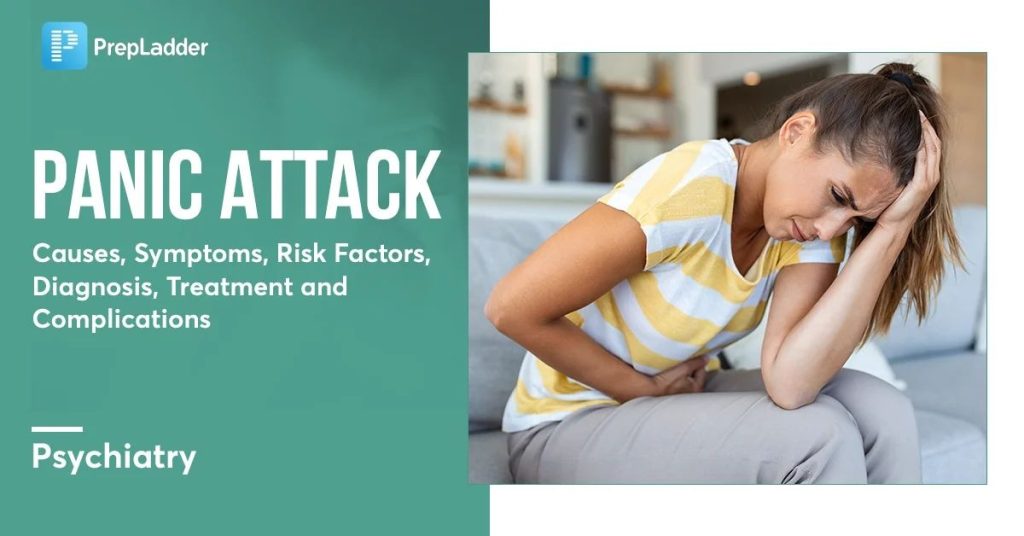
A panic attack can feel very intense and frightening. Your heart may beat very fast. You may have chest pain or feel short of breath. You might feel dizzy or shaky. At that moment, it can feel like something is seriously wrong. Many people think about going to the anxiety attack emergency room when symptoms feel overwhelming.
If this is your first attack, it is okay to get medical help. Doctors can check your heart and breathing to make sure you are safe. But if you have had panic attacks before and the symptoms feel the same, you may not always need an anxiety attack emergency room visit. Still, if the pain is severe, new, or different from before, you should seek immediate care.
What Happens When You Go to the ER with Anxiety?
When you go to the ER with anxiety, the medical team will first check your vital signs. They will look at your heart rate, blood pressure, and oxygen levels. They may ask about your symptoms and how long they have lasted. This helps them rule out serious problems like a heart issue or breathing trouble.
If tests come back normal, the doctor may explain that your symptoms are caused by anxiety. They might give you medication to help you calm down. They can also suggest follow-up care with your primary doctor or a mental health professional. The goal is to make sure you are safe and help you feel more stable before you go home.
Do I Need an Emergency Room or Is It Anxiety? (5 Key Signs)
It can be hard to know if your symptoms need an ER visit or if it is anxiety. Panic attacks and serious medical problems can feel similar. Here are five key signs to help you decide:
- Severe chest pain that is different from past panic attacks
- Trouble breathing that doesn’t improve
- Fainting or feeling like you might pass out
- Sudden weakness, numbness, or trouble speaking
- Rapid or irregular heartbeat that feels unusual
If you notice any of these signs, it is safest to go to the emergency room. If your symptoms feel similar to past panic attacks and are less severe, it may be anxiety. Still, when in doubt, getting checked is always the safer choice.
How Anxiety Creates Real Physical Symptoms
Anxiety does more than affect your mind. It can create real physical symptoms that feel very intense. Your body reacts as if it is in danger. This is called the “fight or flight” response. It can cause your heart to race, muscles to tighten, and stomach to feel upset. Even though nothing is physically wrong, your body behaves as if there is.
Here is a table of common physical symptoms caused by anxiety:
| Symptom | How It Feels | Why It Happens |
| Rapid Heartbeat | Heart racing or pounding | Body releases adrenaline |
| Shortness of Breath | Feeling like you can’t breathe | Muscles tighten, breathing becomes shallow |
| Chest Pain | Pressure or discomfort | Muscle tension in chest |
| Dizziness | Lightheaded, unsteady | Changes in blood flow and breathing |
| Nausea | Upset stomach, queasy | Digestive system slows down |
| Sweating | Clammy or cold sweat | Stress triggers sweat glands |
| Trembling | Shaking hands or body | Muscles tense up |
| Muscle Tension | Stiff or sore muscles | Body prepares for danger |
| Headaches | Pain in head or temples | Muscle tension and stress hormones |
| Fatigue | Feeling very tired | Body uses energy to stay alert |
These symptoms are real. They show how anxiety affects both mind and body. Knowing this can help you understand your feelings and manage them better.
When Anxiety Attacks Your Heart

Anxiety can make your heart race or pound. You may feel palpitations, a fluttering, or even sharp chest pain. These feelings can be very frightening. Many people think they need to go to the anxiety attack emergency room when this happens. Often, it is your body reacting to stress and anxiety, not a heart problem.
Even though anxiety affects your heart, it usually does not cause lasting damage. Deep breathing and relaxation techniques can help slow your heartbeat. If you have a history of heart issues, seeing a doctor is important. Knowing how anxiety affects your heart can help you stay calm and decide whether an anxiety attack emergency room visit is necessary.
ER for Anxiety: Symptoms You Should Have Checked Out
Sometimes anxiety can cause very strong physical symptoms. Your chest may hurt, your heart may race, or you may feel short of breath. You might feel dizzy, faint, or very weak. These symptoms can feel serious. If they are new, severe, or different from your usual anxiety, it’s important to get checked.
Other symptoms to watch for include numbness, trouble speaking, or sudden confusion. These could be signs of a medical problem, not just anxiety.A visit to the ER can help rule out serious conditions. Doctors can check your heart, lungs, and other vital signs. Knowing when to go can keep you safe and give peace of mind.
Distinguishing Anxiety from Physical Ailments
It can be hard to know if your symptoms are caused by anxiety or a physical illness. Anxiety can mimic real health problems, like heart disease or breathing issues. Many people wonder if they need to go to the anxiety attack emergency room when symptoms feel severe. Doctors usually check vital signs and run tests to make sure nothing serious is wrong.
Here are some ways to tell anxiety from physical ailments:
- Anxiety symptoms often appear suddenly and follow stress or worry
- Physical illnesses usually get worse slowly or stay constant
- Anxiety may cause racing heart, shortness of breath, or dizziness without other illness signs
- Physical ailments may include fever, swelling, or pain that does not improve with relaxation
- Anxiety symptoms often improve with deep breathing or calming techniques
Understanding these signs can help you decide when a visit to the anxiety attack emergency room is needed and when it may just be anxiety.
When to Seek Medical Attention
Sometimes anxiety can feel overwhelming, and you may wonder if it is serious. Some symptoms require urgent care. Many people consider going to the anxiety attack emergency room when they are unsure. It is always safer to get checked than to ignore warning signs.
Here is a table of symptoms that need medical attention:
| Symptom | Why You Should Seek Help | Possible Cause |
| Severe chest pain | Could signal a heart problem | Heart attack, angina |
| Trouble breathing | May indicate low oxygen | Asthma, lung issues |
| Fainting or loss of consciousness | Risk of injury or serious illness | Heart rhythm problem, low blood pressure |
| Weakness or numbness | Could indicate nerve or brain issue | Stroke, neurological problem |
| Sudden confusion | Can be dangerous if untreated | Stroke, infection, low blood sugar |
| Rapid or irregular heartbeat | Needs urgent evaluation | Arrhythmia, heart problem |
| Persistent vomiting or dehydration | Risk of severe health issues | GI illness, dehydration |
| Severe or unusual headache | Could signal serious brain issue | Migraine, aneurysm, stroke |
| Uncontrolled bleeding | Immediate risk to health | Injury, internal bleeding |
| High fever | Could indicate infection | Flu, pneumonia, infection |
If you notice these symptoms, going to the anxiety attack emergency room is the safest choice. Doctors can check for serious conditions and help you feel calm and safe.
How to Treat Anxiety That Mimics Physical Illness

Anxiety can cause real physical symptoms, like chest pain, dizziness, or shortness of breath. These can feel like a serious illness. The first step is to stay calm and recognize it may be anxiety. Deep breathing, grounding exercises, and relaxation techniques can help your body settle.
It is also important to get professional support. A doctor or mental health professional can check your health to rule out physical problems. Therapy, medication, and lifestyle changes can reduce anxiety symptoms. Learning how to manage stress can prevent anxiety from mimicking physical illness in the future.
How to Manage Your Anxiety at Home
You can manage anxiety at home with simple steps. Deep breathing can help calm your body. Exercise, healthy eating, and enough sleep also improve your mood. These practices can reduce the need to rush to an anxiety attack emergency room.
Other helpful ways include journaling, mindfulness, and meditation. Limit caffeine and alcohol, as they can make anxiety worse. Gentle stretching and relaxation techniques also help. Managing anxiety at home can keep your mind and body calmer and safer.
Conclusion
Anxiety can feel very real and scary. It can mimic serious health problems, and sometimes you may worry about going to the hospital. Understanding your symptoms helps you stay calm and make the right choices. Knowing when to visit the anxiety attack emergency room is important for safety.
You can also manage anxiety at home with simple steps. Deep breathing, exercise, and relaxation techniques help a lot. Professional support from doctors or therapists can provide guidance and care. With the right tools, you can reduce anxiety and feel more in control every day.
FAQs
1. What is an anxiety attack?
An anxiety attack is a sudden surge of intense fear or panic that can cause physical symptoms like a racing heart or shortness of breath.
2. When should I go to an anxiety attack emergency room?
You should go if you have severe chest pain, trouble breathing, fainting, or symptoms that are different from past panic attacks.
3. How can I tell anxiety from a serious health problem?
Look for sudden, severe, or unusual symptoms like numbness, confusion, or persistent pain,these may require an anxiety attack emergency room visit.
4. Can anxiety cause real physical symptoms?
Yes, anxiety can trigger chest pain, dizziness, rapid heartbeat, nausea, and other symptoms even without a physical illness.
5. How can I manage anxiety at home?
Deep breathing, exercise, mindfulness, and relaxation techniques can help calm your body and reduce the chance of needing an anxiety attack emergency room visit.
