


Anxiety ear fullness feeling is a sensation of pressure or blockage in the ears that happens during stress or anxious moments. Your ears may feel plugged, tight, or heavy. Sometimes it comes with dizziness or lightheadedness. Even though it feels physical, it can be linked to your body’s stress response.
Have you ever felt like your ears were clogged, but there was no cold or infection? It can be scary and confusing. The dizziness may make you worry that something is seriously wrong. This fear can increase anxiety and make the symptoms feel even stronger.
Stress affects the body in many ways. It can tighten muscles, change breathing patterns, and impact balance. These changes may trigger ear pressure and dizziness. Understanding this connection can help you feel more in control and less afraid of the symptoms.
Can Anxiety Cause Dizziness and Ear Pressure?
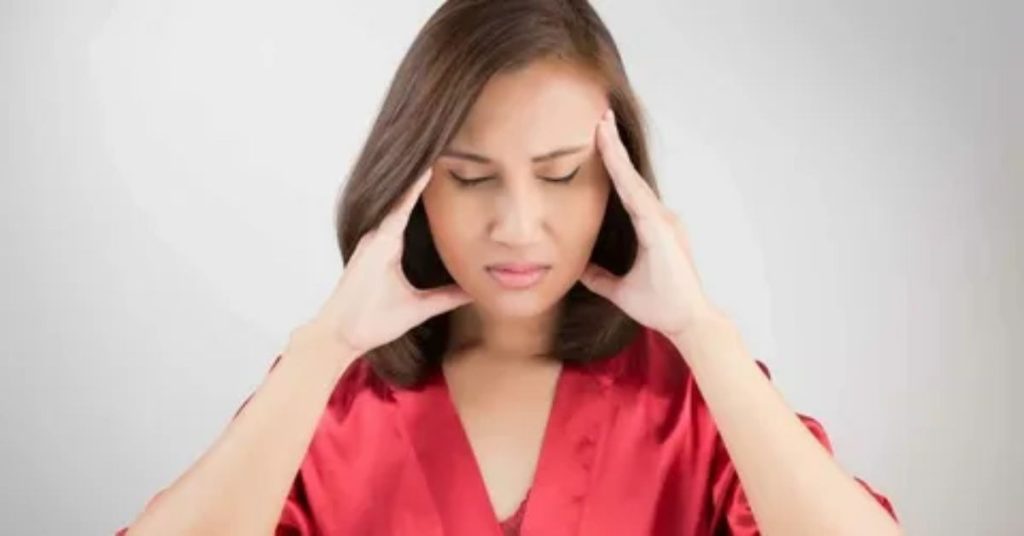
Yes, anxiety can cause dizziness and ear pressure. During stress, the body switches into fight-or-flight mode. Breathing becomes fast and shallow. This can make you feel lightheaded or off balance. Muscle tension around the neck and jaw may also increase pressure around the ears, leading to an anxiety ear fullness feeling.
These sensations can be uncomfortable but are often linked to stress rather than a serious illness. The inner ear is sensitive to changes in breathing and muscle tightness. When worry increases, symptoms may feel stronger. As the body relaxes and breathing slows, both dizziness and the anxiety ear fullness feeling usually begin to ease.
Potential Causes of Anxiety-Related Ear Pressure
Anxiety can create many physical sensations in the body. When stressed, muscles tighten, especially in the neck and jaw. This tension can cause an anxiety ear fullness feeling. Fast or shallow breathing may also affect balance and ear pressure, making you feel dizzy or off-center.
Some common factors that may trigger anxiety ear fullness feeling include:
- Muscle tension around the neck, jaw, and shoulders
- Clenching teeth or grinding at night
- Rapid breathing or hyperventilation
- Poor posture during stress
- Constant worry keeping the body in high alert
These causes are usually not dangerous. As stress decreases, the anxiety ear fullness feeling often eases naturally.
Symptoms of Anxiety-Related Ear Pressure
Anxiety can cause ear pressure along with several other physical sensations. People often feel a fullness or tightness in their ears. Some may also notice dizziness, lightheadedness, or ringing sounds. These symptoms can appear suddenly during stressful moments or build up over time. Anxiety ear fullness feeling may come with tension in the jaw, neck, or shoulders, making the experience uncomfortable.
Here is a detailed table of common symptoms linked to anxiety-related ear pressure:
| Symptom | Description | How It Feels | Notes |
| Ear fullness | Pressure or clogged sensation | Ears feel heavy or blocked | Often worsens with stress |
| Dizziness | Feeling lightheaded or unsteady | Room may feel spinning | Linked to breathing changes |
| Ringing (Tinnitus) | Buzzing or ringing sounds | Persistent or intermittent | Can increase with anxiety |
| Muscle tension | Tight neck, jaw, or shoulders | Stiffness or discomfort | Adds to ear pressure |
| Hyperventilation | Rapid, shallow breathing | Shortness of breath, lightheaded | Can trigger dizziness |
| Headache | Mild to moderate head pain | Pressure or throbbing | Often accompanies tension |
| Fatigue | Feeling tired or drained | Low energy | Stress and sleep loss contribute |
| Trouble concentrating | Mind feels foggy | Difficulty focusing | Linked to stress and worry |
These symptoms are usually not dangerous. Recognizing them can help you manage anxiety ear fullness feeling more effectively.
Dizziness and Ear Pressure: Physical Symptoms of Anxiety
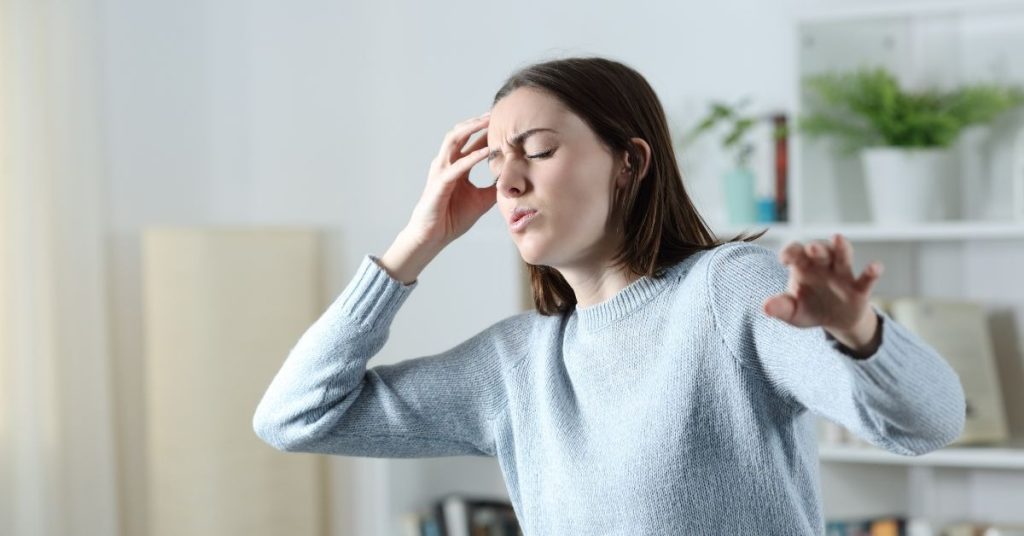
Dizziness and ear pressure are common physical symptoms of anxiety. When the body goes into stress mode, muscles tighten and breathing becomes faster. This can affect balance and create a sensation of fullness in the ears. Many people describe it as a heavy, clogged, or “plugged” feeling. Even though it feels physical, it is often triggered by the body’s response to stress.
These symptoms can be unsettling and make daily activities harder. Anxiety ear fullness feeling may come with lightheadedness, ringing in the ears, or tension in the neck and jaw. Worrying about these sensations can make them worse. Learning to relax, breathe slowly, and manage stress can help reduce both dizziness and ear pressure over time.
How Does Anxiety Cause Ear Pressure?
Anxiety can cause ear pressure through the body’s natural stress response. When stressed, muscles in the neck, jaw, and around the ears tighten. This can create a feeling of fullness or pressure in the ears. Rapid or shallow breathing can also change oxygen and carbon dioxide levels in the body, leading to lightheadedness and discomfort in the ears.
Another reason is the body’s heightened alert state during anxiety. Blood flow and nerve signals may shift, making the ears feel sensitive or blocked. Stress can also make you more aware of normal sensations, which can turn into an anxiety ear fullness feeling. Relaxation techniques and mindful breathing often help reduce this pressure.
Anxiety-Related Ear Pressure vs. Medical Conditions
Ear pressure can be caused by anxiety, but it can also signal a medical condition. Anxiety-related ear pressure often comes with stress, muscle tension, or rapid breathing. It may appear suddenly during anxious moments and usually improves when you relax. The feeling can be uncomfortable, but it is generally not dangerous.
Medical conditions can cause similar symptoms, so it is important to watch for warning signs. Some differences include:
- Ear infections – Often cause pain, fever, or fluid in the ear
- Eustachian tube dysfunction – Can create long-lasting fullness or popping
- TMJ disorders – Jaw pain and clicking may accompany ear pressure
- Meniere’s disease – Vertigo, hearing loss, and ringing in the ears
- Wax buildup – Can cause blockage and muffled hearing
Knowing these differences can help you decide when to seek professional help. Anxiety ear fullness feeling usually improves with stress management, while medical issues may need treatment.
How to Differentiate Between Anxiety and Ear Conditions
It can be hard to tell if ear pressure is caused by anxiety or a medical issue. Anxiety ear fullness feeling often comes with stress, tension, or rapid breathing. The symptoms may appear suddenly and ease when you relax. On the other hand, medical conditions usually have additional signs like pain, fever, or hearing loss. Knowing the difference can help you manage symptoms better and seek help when needed.
Here is a table to help differentiate anxiety-related ear pressure from common ear conditions:
| Feature | Anxiety-Related Ear Pressure | Medical Ear Conditions |
| Ear fullness | Sudden or stress-related | Often persistent or worsening |
| Pain | Usually mild or absent | Moderate to severe pain |
| Dizziness | Lightheadedness or mild vertigo | Severe vertigo or spinning |
| Hearing changes | Rare | Common (muffled or loss) |
| Ringing (tinnitus) | Possible, mild | Can be persistent or loud |
| Fever | No | Sometimes present (infections) |
| Onset | During stress or anxiety | Can be gradual or after infection |
| Duration | Improves with relaxation | Lasts until treated |
| Muscle tension | Often present | Rare |
| Triggers | Stress, worry, hyperventilation | Infection, wax, TMJ, Meniere’s |
This comparison can help you identify the cause. If symptoms persist or worsen, it is best to consult a doctor or ENT specialist.
Strategies for Managing Anxiety-Related Ear Pressure

Managing anxiety-related ear pressure starts with calming the body and mind. Slow, deep breathing can help reduce stress and ease the feeling of fullness in the ears. Gentle neck and jaw stretches may relieve muscle tension that adds to ear pressure. Mindfulness or meditation exercises can also help you stay relaxed and focused.
Other helpful strategies include keeping a healthy routine, staying hydrated, and avoiding caffeine or alcohol, which can worsen anxiety. Talking to a therapist or joining an online support group can teach coping skills and reduce stress. Over time, these habits can lessen anxiety ear fullness feeling and improve overall comfort.
When to Seek Professional Help
You should see a professional if ear pressure or dizziness is severe or lasts a long time. If symptoms come with pain, hearing loss, or fever, it may indicate a medical issue. Anxiety ear fullness feeling is usually mild, but persistent or worsening symptoms need a doctor’s evaluation.
It is also helpful to seek help if anxiety affects daily life. A therapist can teach coping skills to manage stress and reduce ear pressure. ENT specialists can check for medical conditions. Early guidance can prevent complications and help you feel more in control of your symptoms.
Conclusion
Anxiety can cause ear pressure, dizziness, and a sense of fullness in the ears. These symptoms are real, even if they come from stress rather than a medical condition. Understanding the connection between anxiety and ear sensations can help reduce fear and worry.
Managing stress, practicing deep breathing, and relaxing tight muscles can ease these symptoms. If problems persist, seeking professional help is important. With the right strategies, anxiety ear fullness feeling can become more manageable, and daily life can feel calmer and more comfortable.
FAQs
1. Can anxiety really cause ear pressure?
Yes, stress and muscle tension from anxiety can create a feeling of fullness or pressure in the ears.
2. Why do I feel dizzy along with ear pressure?
Rapid breathing and tension during anxiety can affect balance, leading to lightheadedness or dizziness.
3. How can I relieve anxiety-related ear pressure at home?
Try deep breathing, neck and jaw stretches, mindfulness, and staying hydrated to ease symptoms.
4. When should I see a doctor for ear pressure?
Seek professional help if symptoms are severe, persistent, or come with pain, hearing loss, or fever.
5. Can therapy help with anxiety ear fullness feeling?
Yes, therapy can teach stress management techniques and reduce the physical symptoms of anxiety.
