

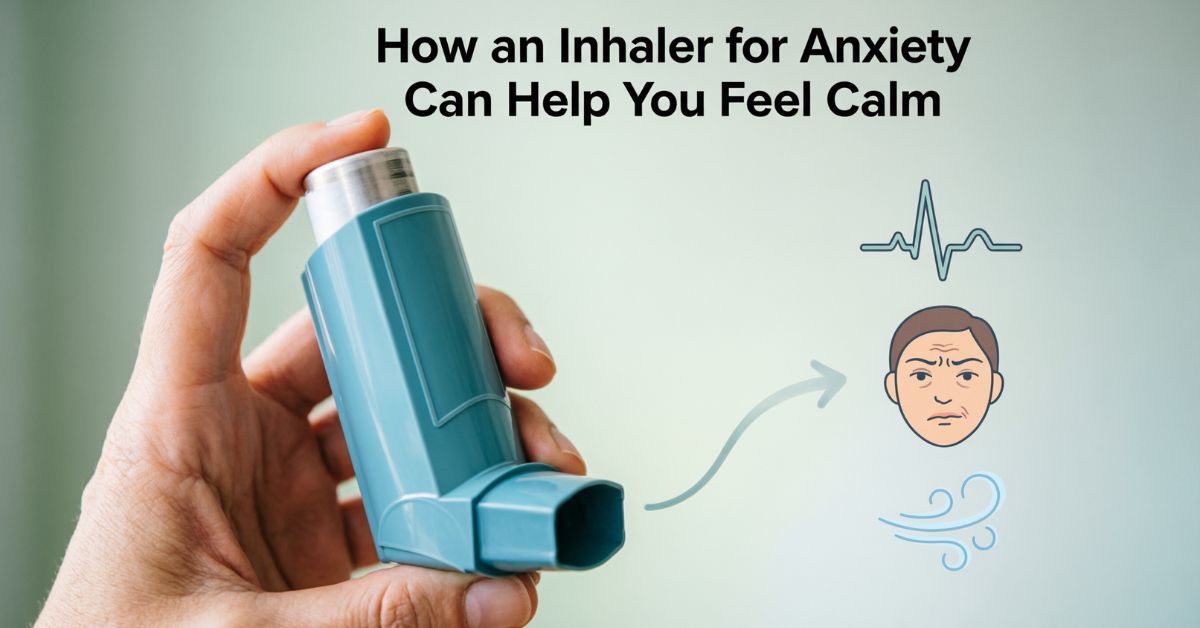
An inhaler for anxiety is a small, easy-to-use device. It is designed to help you feel calm during stress or anxious moments. Most anxiety inhalers work through slow breathing or soothing scents. They are portable and simple to use anytime you feel overwhelmed.
Anxiety can appear suddenly and make daily life hard. Your heart may race and your thoughts may feel out of control. An inhaler for anxiety offers quick comfort when you need it most. It can help you pause, breathe deeply, and regain a sense of balance.
Many anxiety inhalers use natural ingredients or breathing techniques. Some include essential oils known for relaxation. Others focus on controlled airflow to slow your breathing. These tools do not replace medical treatment, but they can support calm and emotional comfort.
What Are Anxiety Inhalers and How Do They Work?
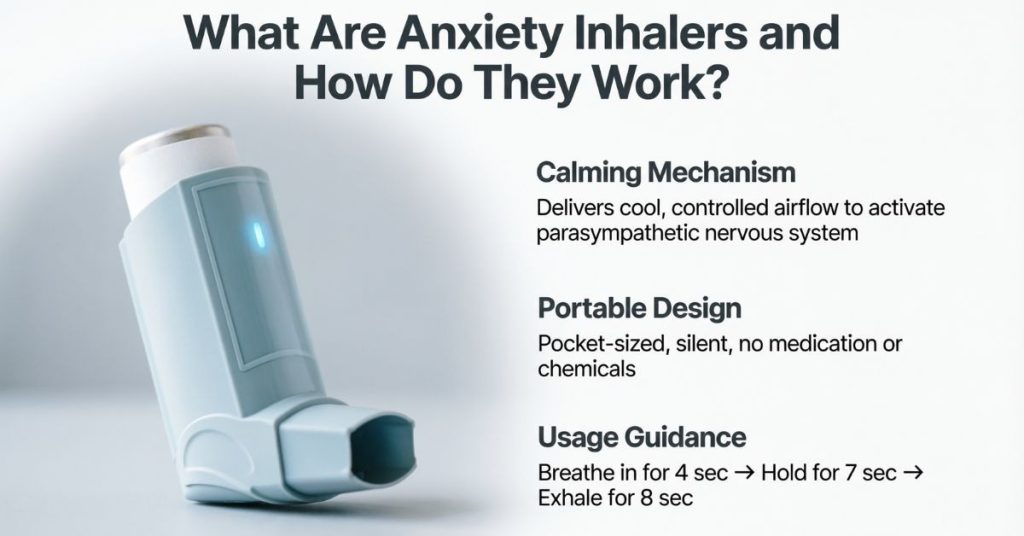
Anxiety inhalers are small and portable devices designed to support calm feelings. They are simple to use and can help during stressful moments. Many people prefer an inhaler for anxiety because it is easy to carry and use anywhere. These tools are often used as part of a calming routine.
They work by helping the body slow down through deep breathing or soothing scents. Some release gentle aromas that relax the mind. Others guide steady airflow to improve focus and control breathing. This process helps ease tension and supports emotional balance.
Different Types of Inhalers Used for Stress and Anxiety
There are several types of inhalers used for stress and anxiety. Aromatherapy inhalers are very common and use calming scents. Breathing inhalers focus on slow and deep breathing. Many people choose an inhaler for anxiety because it feels natural and easy to use.
Some inhalers contain essential oils like lavender or peppermint. Others are scent-free and work by controlling airflow. Each type offers a different calming experience. The right choice depends on personal comfort and needs.
Metered Dose Inhalers (MDIs): Features and Proper Use
Metered Dose Inhalers, also called MDIs, release a fixed amount of medicine. They are commonly used for breathing problems. Some people may also use an inhaler for anxiety when breathing control is needed. MDIs are small, light, and easy to carry.
Key features of MDIs include:
- A pressurized canister that releases medication
- A mouthpiece for easy inhalation
- A quick and controlled spray
- Optional use with a spacer for better results
To use an MDI properly, timing is important. You should breathe in slowly while pressing the inhaler. Hold your breath for a few seconds after inhaling. This helps the medicine reach your lungs and work effectively.
Dry Powder Inhalers (DPIs): Benefits and Limitations
Dry Powder Inhalers, or DPIs, are breath-activated devices. They release medicine when you inhale deeply. Many people use an inhaler for anxiety because it is simple and quick. A DPI does not need pressing or special coordination, which makes it easier for daily use.
DPIs also have some limitations. They require a strong, deep breath to work well, which may be difficult during severe anxiety. Moisture or humidity can affect the powder. Not everyone may find DPIs suitable.
| Feature | Benefits | Limitations |
| How it works | Activated by your breath | Needs strong inhalation |
| Ease of use | No button to press | Not ideal for weak breathing |
| Medication delivery | Consistent powder dose | Powder can clump in moisture |
| Portability | Small and easy to carry | Must be kept dry |
| Coordination | No hand-breath timing needed | Technique still matters |
| Speed | Quick to use | Less effective if inhaled poorly |
| Suitability | Good for regular use | Not for all age groups |
| Maintenance | No propellant required | Regular cleaning needed |
Slow Mist Inhalers and Nebulizers Explained
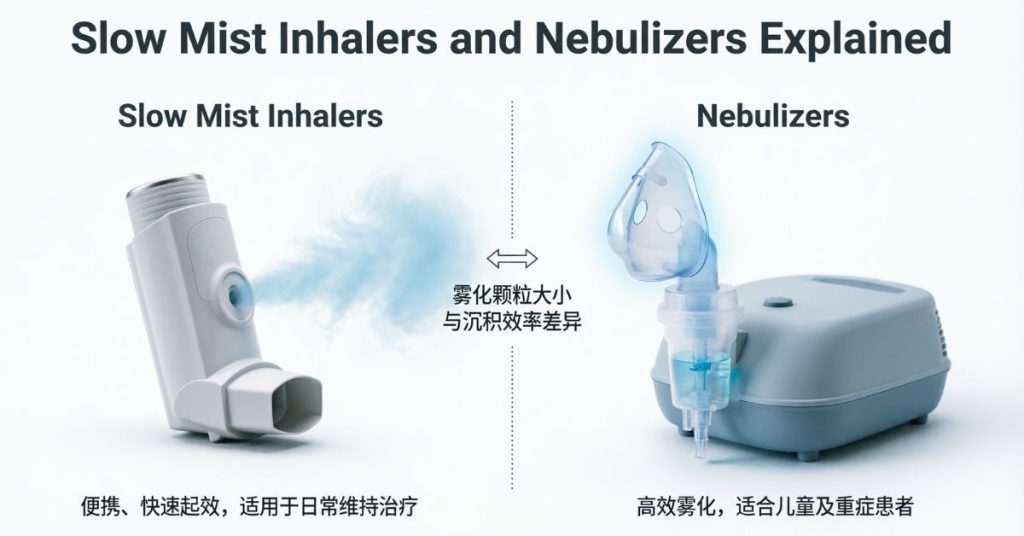
Slow Mist Inhalers release medicine in a fine, slow spray. This makes it easier to inhale deeply. Many people use an inhaler for anxiety to help control breathing. Slow mist inhalers are small and portable, but they need careful use.
Using a nebulizer, you can breathe in a mist of liquid medicine. They are often used at home or in clinics. Nebulizers work slowly and help medicine reach deep into the lungs. Both devices can support calm breathing and reduce anxious feelings when used correctly.
Aromatherapy Inhalers for Stress and Anxiety Relief
Aromatherapy inhalers use natural scents to help you relax. Common scents include lavender, peppermint, and chamomile. Many people use an inhaler for anxiety because it is simple and safe. You can carry it anywhere and use it when feeling stressed or anxious.
These inhalers work by stimulating your senses and calming the mind. Taking slow, deep breaths with soothing aromas can reduce tension. They do not replace medical treatment but can support emotional comfort. Aromatherapy inhalers are an easy way to feel calm during busy or stressful days.
Common Essential Oils Used in Anxiety Inhalers
Anxiety inhalers often use essential oils to help calm the mind. These oils have natural scents that can reduce stress. Many people find an inhaler for anxiety helpful because it combines deep breathing with soothing aromas. Essential oils can make the inhaler experience more relaxing and effective.
Some common essential oils used in anxiety inhalers include:
- Lavender: Helps reduce tension and promotes relaxation
- Peppermint: Refreshing and can improve focus
- Chamomile: Soothes nerves and supports calm feelings
- Bergamot: Uplifts mood and eases anxiety
- Frankincense: Encourages deep, mindful breathing
These oils can be used alone or in blends. Each oil has a unique effect on mood and stress levels. Using them with an inhaler makes it easy to feel calm anytime you need.
How to Use an Anxiety Inhaler Safely and Correctly
Using an anxiety inhaler safely is important for best results. Many people carry an inhaler for anxiety to calm down quickly. Before using, read the instructions carefully. Wash your hands and keep the inhaler clean. Sit or stand in a comfortable position to breathe deeply.
To use it correctly, follow these steps:
| Step | What to Do | Tips |
| 1 | Hold the inhaler upright | Check the mouthpiece is clean |
| 2 | Exhale fully | Empty your lungs for better inhalation |
| 3 | Place the inhaler near your nose or mouth | Depends on inhaler type (aroma or breathing) |
| 4 | Inhale slowly and deeply | Take your time to feel the scent or mist |
| 5 | Hold your breath for 2–3 seconds | Helps the calming effect reach your lungs |
| 6 | Exhale gently | Repeat if needed according to instructions |
| 7 | Close the inhaler and store properly | Keep it dry and away from heat |
| 8 | Clean regularly | Prevents buildup and maintains effectiveness |
Using an inhaler properly ensures you get the full calming benefit. Avoid overuse and follow any instructions on frequency. A correctly used inhaler can help reduce stress, support relaxation, and make anxiety easier to manage.
Benefits, Risks, and Side Effects of Anxiety Inhalers

Anxiety inhalers can help you feel calm quickly. It is easy to carry and use them anywhere. Many people use an inhaler for anxiety to manage sudden stress or tension. They can support deep breathing and provide comfort during anxious moments.
However, there are some risks and side effects. Overuse may cause dizziness or headaches. It is possible for some people to be allergic to certain essential oils. Anxiety inhalers do not replace medical treatment for severe anxiety. It is important to follow instructions and consult a doctor if needed.
Who Can Use Anxiety Inhalers and When to See a Doctor
Anxiety inhalers can be used by most adults and teens who feel stressed or anxious. They are helpful for people who want quick, portable relief. Many use an inhaler for anxiety at work, school, or home. They are safe for occasional use and can support daily relaxation routines.
You should see a doctor if anxiety is frequent or severe. Also, consult a doctor if side effects occur, like headaches or allergic reactions. Anxiety inhalers are not a replacement for medical care. A doctor can help choose the right treatment and support long-term mental health.
Conclusion
Anxiety inhalers can be a simple and effective tool to feel calm. They are portable, easy to use, and can help during stressful moments. Using an inhaler for anxiety along with deep breathing or aromatherapy can improve comfort and relaxation.
However, inhalers are not a cure for anxiety. They work best as a support tool alongside healthy habits and professional care if needed. Always use them correctly and consult a doctor for ongoing or severe anxiety. With the right approach, anxiety inhalers can make stressful moments easier to manage.
FAQs
1. What is an inhaler for anxiety?
It is a small device that helps you feel calm using breathing techniques or soothing scents.
2. How does it work?
It supports deep, slow breaths or releases calming essential oils to reduce stress and tension.
3. Who can use it?
Most adults and teens can use it safely, but people with severe anxiety or allergies should consult a doctor first.
4. Are there any side effects?
Side effects are rare but may include headaches, dizziness, or allergic reactions to certain oils.
5. Can it replace medical treatment?
No, it is a supportive tool for relaxation and stress relief, not a replacement for professional care.
