


Visiting the dentist can be stressful for many people. Dental fear is a real condition that makes some patients anxious or even avoid appointments. Dentist anxiety medication is a tool that helps calm nerves before or during dental visits. These medications can make treatments more comfortable and easier to handle.
If you feel your heart racing or hands shaking at the thought of a dental appointment, you are not alone. Many people struggle with this fear every day. Knowing there are safe medications available can give you peace of mind. It might even help you keep up with regular dental care without worry.
Dentist anxiety medication comes in different forms, like pills or sedatives given by the dentist. They work by reducing anxiety and helping you relax. While not everyone needs them, these medications can make a big difference for those with strong dental fear. Understanding how they work can help you feel more in control of your dental visits.
What Is Sedation Dentistry?
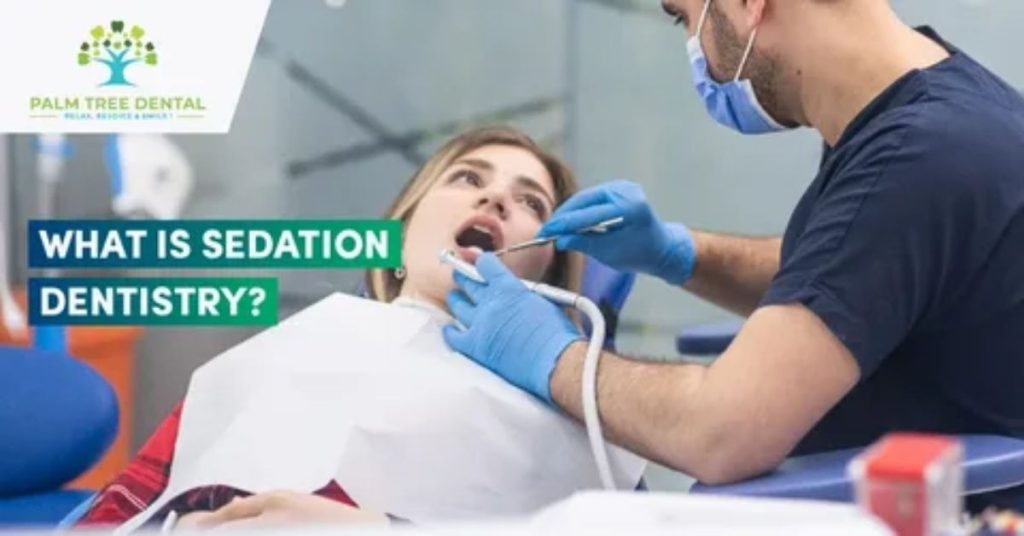
Sedation dentistry is a way to help patients feel calm during dental procedures. It uses medicine to reduce fear and anxiety, making visits much easier. Some people may stay awake, feel drowsy, or lightly sleep, depending on the type of sedation used. For many, dentist anxiety medication is part of the process to ensure comfort.
There are different levels of sedation, from mild to deep. Mild sedation might be a pill taken before your appointment, while moderate or deep sedation is often given through an IV. When administered by a trained professional, sedation dentistry is safe. Using dentist anxiety medication helps patients stay relaxed and stress-free during treatment.
Types of Sedation Used in Dentistry
Dentists use different types of sedation to help patients feel calm. Mild sedation usually comes as a pill or gas you breathe in. It makes you relaxed but awake. Moderate sedation is stronger. You may feel very sleepy but can still respond to the dentist. Deep sedation puts you almost fully asleep and is used for longer or complex procedures.
Sedation can also include dentist anxiety medication for patients with strong fear. The right type depends on your health, the procedure, and your comfort level. Your dentist will guide you to choose what is safest and most effective. Using sedation helps make dental visits less stressful and more comfortable for everyone.
Common Drugs Used for Conscious Sedation
Conscious sedation helps patients stay relaxed while staying awake during dental procedures. Dentists often use specific drugs to make this possible. These medications reduce fear and anxiety, making treatment easier and more comfortable. Many people also know them as forms of dentist anxiety medication.
Some common drugs used include:
- Nitrous oxide (laughing gas): Inhaled gas that relaxes you quickly.
- Oral sedatives (like diazepam or triazolam): Pills taken before your visit to calm nerves.
- IV sedatives (like midazolam): Given through an IV for deeper relaxation.
These drugs are safe when given by trained dentists. They help patients stay calm, reduce stress, and sometimes forget minor parts of the procedure. Using conscious sedation makes dental visits much easier for people with anxiety.
How Sedation Dentistry Works
Sedation dentistry helps patients feel calm during dental procedures. It works by using medicine to relax the body and mind. Some types make you drowsy, while others let you stay awake but relaxed. The dentist chooses the right method based on your anxiety level, health, and the treatment needed. Dentist anxiety medication is often part of this process to reduce stress.
Here is a simple guide to how sedation works:
| Type of Sedation | How It Works | How You Feel | Typical Use |
| Nitrous Oxide | Inhaled gas | Relaxed, awake | Short procedures, mild anxiety |
| Oral Sedatives | Pill taken before visit | Calm, slightly sleepy | Moderate anxiety, routine dental work |
| IV Sedation | Medicine given through vein | Very drowsy, may not remember much | Complex procedures or strong anxiety |
| Deep Sedation/General Anesthesia | Strong IV or inhaled medication | Fully asleep | Long or complex surgeries |
When performed by a trained professional, sedation dentistry is safe. It helps you stay comfortable, reduces fear, and makes dental visits easier. Using sedation and dentist anxiety medication together ensures a calm and stress-free experience.
Benefits and Risks of Sedation Dentistry

Sedation dentistry helps patients stay calm and relaxed during dental visits. It reduces fear and makes procedures easier to handle. Dentist anxiety medication can help people with strong dental fear feel comfortable. Sedation also allows dentists to complete treatments more efficiently and with less stress for the patient.
Like any treatment, sedation has some risks. Mild side effects can include drowsiness, nausea, or dry mouth. More serious risks are rare but possible, especially with deeper sedation. Your dentist will review your health history and choose the safest method. Knowing both the benefits and risks helps patients make smart decisions about their care.
Who Should Consider Sedation Dentistry?
Sedation dentistry is helpful for anyone who feels nervous or afraid of dental visits. People with strong dental fear or past bad experiences may benefit most. It can also help patients who need long or complex procedures. Dentist anxiety medication is often part of the plan to make the visit easier and more comfortable.
It is also suitable for patients with a low pain threshold, sensitive teeth, or difficulty sitting still. Children or adults with special needs may find sedation dentistry helpful. Your dentist will evaluate your health and anxiety level to decide if sedation is right for you. Using sedation can make dental care less stressful and more manageable for many patients.
Preparing for Sedation Dentistry
Before sedation dentistry, it’s important to be ready. Your dentist will give instructions to keep you safe and comfortable. You may need to avoid eating or drinking for a few hours before your appointment. Dentist anxiety medication may be prescribed to help you relax before your visit.
Here are some tips to prepare:
- Arrangements should be made for someone to drive you home after the procedure.
- Wear comfortable clothing.
- Bring a list of your medications and health conditions.
- Follow your dentist’s instructions carefully.
- Ask any questions about the sedation or procedure.
Proper preparation helps you feel calm and ensures the treatment goes smoothly. Following these steps makes sedation dentistry safer and more effective for everyone.
Potential Side Effects to Watch For
Sedation dentistry is generally safe, but some patients may experience side effects. Most are mild and go away on their own. Common issues include drowsiness, nausea, or a dry mouth. Dentist anxiety medication may also cause light dizziness in some patients. Knowing what to watch for can help you stay safe and comfortable.
Here is a guide to potential side effects:
| Side Effect | How It Feels | How Long It Lasts | What to Do |
| Drowsiness | Feeling very sleepy | A few hours after treatment | Rest and avoid driving |
| Nausea | Stomach upset | A few hours | Drink water, eat light food |
| Dry Mouth | Mouth feels dry | Few hours | Sip water, chew sugar-free gum |
| Dizziness | Lightheaded feeling | Short time | Sit or lie down, move slowly |
| Headache | Mild head pain | Few hours | Drink water, rest, mild pain relief |
| Memory Gaps | Forgetting parts of procedure | Temporary | Normal with conscious sedation |
Most side effects are minor and go away quickly. Your dentist will monitor you closely and adjust sedation if needed. Knowing these side effects helps you feel more prepared and safe during your dental visit.
Choosing the Right Sedation Method

Choosing the right sedation method depends on your anxiety, health, and the type of procedure. Mild sedation is often enough for small treatments, while deeper sedation may be needed for complex work. Dentist anxiety medication can help guide the process and make you feel calm. Your dentist will explain the options and recommend what is safest for you.
Your comfort and safety are the most important factors. The dentist may consider your medical history, allergies, and previous experiences with sedation. Asking questions about each method can help you feel confident. The right sedation method can make your dental visit easier, less stressful, and more comfortable overall.
Recovery and Outlook After Sedation Dentistry
After sedation dentistry, most patients feel relaxed but a little sleepy. Drowsiness may last a few hours, so it’s important to rest and avoid driving. Mild side effects like dry mouth or light dizziness can happen but usually go away quickly. Dentist anxiety medication helps you stay calm during the procedure and does not affect long-term recovery.
Most people recover fully without complications. You may feel ready to return to normal activities the next day. Following your dentist’s instructions for rest, food, and medications helps speed up recovery. Sedation dentistry can make future visits less stressful and help patients maintain regular dental care with confidence.
Conclusion
Sedation dentistry makes dental visits easier for people with fear or anxiety. Using dentist anxiety medication helps patients stay calm and comfortable during procedures. It allows dentists to work efficiently while keeping patients relaxed and safe.
Understanding sedation options, preparing properly, and knowing possible side effects can make your experience smooth. With the right care, sedation dentistry can reduce stress, improve your dental health, and make future visits less scary. Feeling calm at the dentist is possible with the right support.
FAQs
1. What is sedation dentistry?
Sedation dentistry uses medicine to help patients feel calm and relaxed during dental procedures.
2. How does dentist anxiety medication work?
It reduces fear and stress, making it easier to stay comfortable and relaxed at the dentist.
3. Is sedation dentistry safe?
Yes, when given by trained professionals, it is safe and carefully monitored for each patient.
4. How long does recovery take after sedation?
Most patients feel normal within a few hours, though mild drowsiness may last longer.
5. Who should consider sedation dentistry?
People with dental fear, anxiety, sensitive teeth, or complex dental needs can benefit from sedation.
