

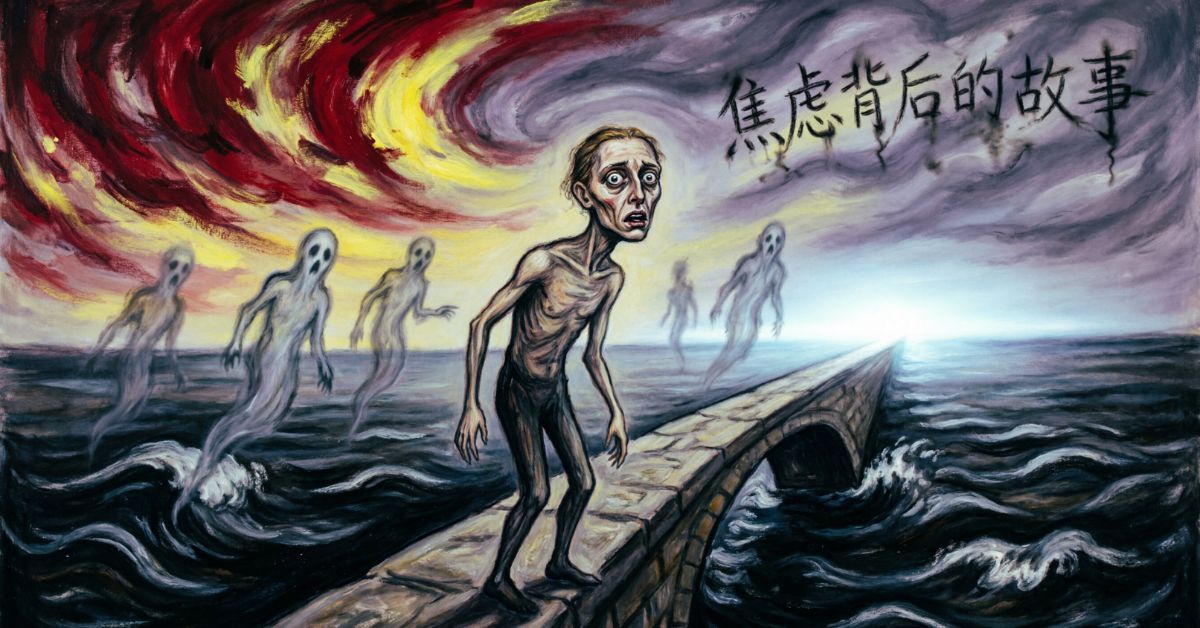
Anxiety by Edvard Munch is a famous painting created in 1894. It shows a group of people standing on a bridge with worried and empty faces. The sky behind them looks dark and red. The painting expresses deep fear, stress, and emotional pain. It reflects strong inner feelings rather than a real-life scene.
When you look at this artwork, you may feel uneasy. The faces seem stiff and almost ghost-like. The colors feel heavy and intense.You wonder what these people are thinking. Are they afraid? Are they alone? This painting pulls you into their silent struggle.
This artwork is connected to Munch’s personal life and emotions. He often painted themes of fear, loneliness, and sadness. The bridge and the background are similar to his other famous works. Through this painting, he tried to show what anxiety feels like inside the human mind.
Anxiety, 1894 by Edvard Munch
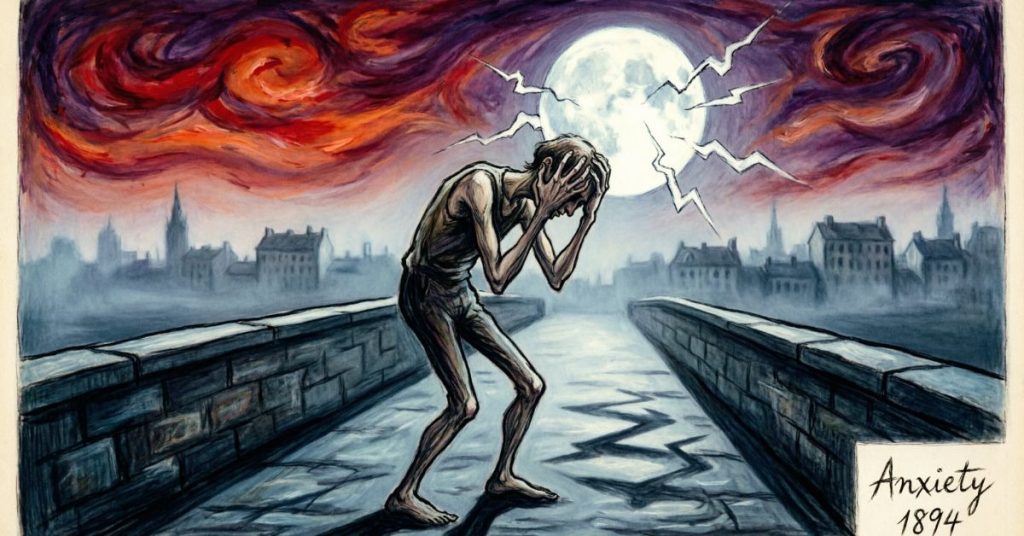
Anxiety is a powerful painting created in 1894 by Edvard Munch. The artwork shows several pale faces standing on a bridge. Their eyes look distant and tired. The sky behind them is dark red and dramatic. The colors feel intense and emotional. In anxiety by edvard munch, the mood is heavy and full of silent fear.
The figures stand close to each other, yet they seem alone. Their stiff expressions show worry and inner pain. The background is similar to The Scream, another famous work by Munch. Both paintings explore deep human emotions. Anxiety by edvard munch reflects feelings of stress, isolation, and sadness in a simple but powerful way.
Anxiety (Angst)
Anxiety, also known as Angst, was painted in 1894 by Edvard Munch. It shows a group of pale faces standing on a bridge. Their eyes look tired and distant. The red sky behind them feels intense and dramatic. In anxiety by edvard munch, strong emotions are more important than small details. The painting reflects fear, stress, and inner pain.
The figures stand close, yet they seem alone. Their stiff expressions show quiet suffering. The dark water and bold colors create a heavy mood. This artwork shares a similar setting with The Scream. Through anxiety by edvard munch, the artist tried to show how anxiety feels inside the human mind.
Anxiety (Munch)
Anxiety was painted in 1894 by Edvard Munch. The artwork shows several pale people standing on a bridge. Their faces look worried and empty. The sky behind them is deep red and dramatic. The colors feel strong and emotional. The painting focuses on inner fear rather than outer beauty.
The figures stand together, but they seem emotionally distant. The dark water and bold tones create a heavy mood. This painting is closely connected to The Scream, which shares a similar background. Key elements of the artwork include:
- Pale, ghost-like faces
- A red and swirling sky
- A bridge symbolizing life’s journey
- Themes of fear, isolation, and sadness
The painting is simple in detail but powerful in feeling. It clearly shows deep human anxiety.
Becoming Edvard Munch: Influence, Anxiety, and Myth
In modern history, Edvard Munch was one of the most influential emotional artists. His early life was marked by loss and illness, shaping his view of the world. He believed art should show real human feelings. Works like anxiety by edvard munch and The Scream reflect deep fear, grief, and loneliness. These experiences inspired his unique style.
Many myths grew around Munch’s life. Some saw him as a troubled genius, while others thought he lived in darkness. In reality, he turned personal anxiety into powerful images. His work inspired modern expressionist art and still resonates today. Anxiety by edvard munch shows how he could transform inner struggle into art.
Influence, Anxiety, and Myth – Overview Table
| Category | Details | Impact on Art | Example |
| Early Life | Lost mother and sister young | Themes of grief and death | Dark tones, sad faces |
| Mental Health | Anxiety and emotional stress | Focused on inner feelings | Anxiety by edvard munch |
| Artistic Style | Early Expressionism | Strong colors, bold brush strokes | The Scream |
| Personal Beliefs | Art expresses emotion | Less realism, more feeling | Distorted figures |
| Public Image | Seen as mysterious | Added to legend | Media stories |
| Use of Color | Red, black, deep tones | Created dramatic mood | Red skies in paintings |
| Symbolism | Bridges, water, sky | Represented life & emotion | Bridge scenes |
| Legacy | Inspired modern artists | Shaped Expressionism | 20th-century art |
| Myth vs Reality | Not always unstable | Balanced creativity | Painted for decades |
| Emotional Focus | Fear, love, loneliness | Connected with viewers | Expressionist portraits |
This table highlights how Munch’s life, including anxiety by edvard munch, shaped both his art and public perception.
Day 307 – Edvard Munch – Painting Anxiety
On day 307 of his creative journey, Edvard Munch painted Anxiety. The artwork shows several pale figures standing on a bridge. Their faces look empty and worried. The red sky behind them feels heavy and dramatic. The painting focuses on strong inner feelings rather than realistic details. Anxiety by edvard munch captures fear, loneliness, and tension in a simple but powerful way.
The figures seem close together but are emotionally distant. The dark water and bold colors add to the mood of unease. Munch used this painting to show the inner struggles of human life. Every line and color expresses silent suffering. Through anxiety by edvard munch, viewers can feel the weight of anxiety and isolation that the artist experienced.
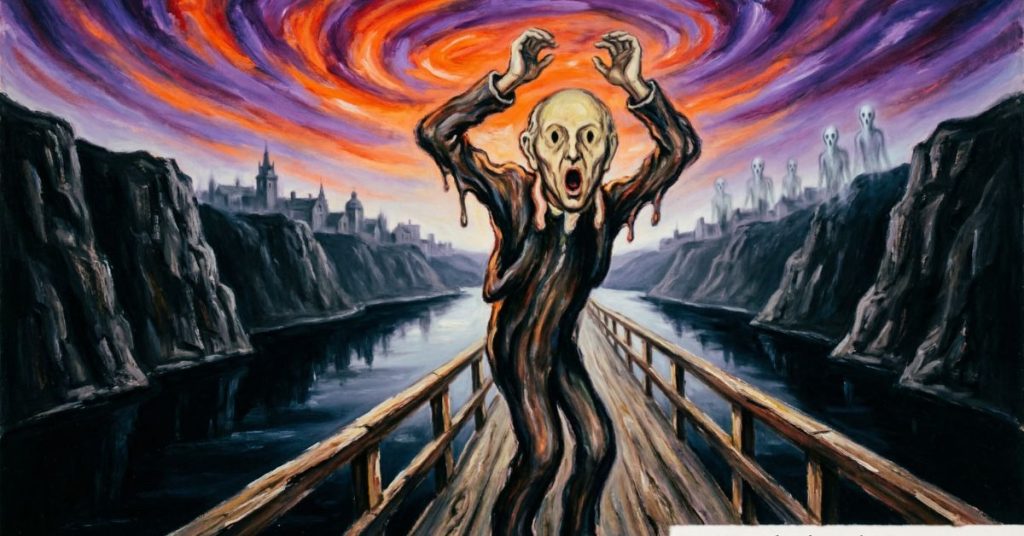
The Scream
The Scream is one of Edvard Munch’s most famous paintings. It shows a figure holding its face and screaming on a bridge. The sky is red and swirling. The figure looks scared and alone. The painting expresses deep fear and panic. It is a symbol of human anxiety and emotion.
The colors and lines in the painting are bold and dramatic. The background and water add to the feeling of tension. The figure seems isolated even though there are people in the distance. The Scream shows how emotions can be stronger than reality. It connects with viewers because it expresses universal fear and inner turmoil.
The Dance of Life: Edvard Munch, c. 1916
The Dance of Life was painted by Edvard Munch around 1916. It shows people dancing in a circle under a colorful sky. The figures represent different stages of life. Some are young and full of joy, while others are older and more serious. The painting reflects love, time, and human emotion. Munch used bold colors and flowing lines to make the scene lively and emotional.
The artwork combines movement with feeling. The figures are connected, yet each has their own story. Key points of the painting include:
- Youth and joy represented by bright colors
- Love and relationships shown through dancing couples
- Life’s passage symbolized by figures of different ages
- Flowing lines to create movement and energy
The Dance of Life shows how life is full of emotion, change, and connection. Munch used this painting to explore both happiness and sadness in human life.
The Sick Child
The Sick Child was painted by Edvard Munch in 1885. It shows a young girl lying sick in bed. Her face looks pale and weak. A woman, likely her mother, sits nearby, looking sad and worried. The painting expresses deep emotion and loss. It is one of Munch’s earliest works that focuses on human suffering.
The painting is simple in detail but powerful in feeling. Munch used muted colors and soft brush strokes to create a somber mood. It explores themes of illness, grief, and compassion. The work also influenced his later paintings about fear and anxiety.
The Sick Child – Key Details Table
| Category | Details | Significance | Example/Effect |
| Year | 1885 | Early Munch work | Shows his focus on emotional depth |
| Subject | Young girl sick in bed | Highlights illness and vulnerability | Girl’s pale face and weak posture |
| Emotional Focus | Grief, sorrow, fear | Evokes sympathy from viewers | Mother’s sad expression |
| Color Palette | Muted and soft tones | Creates somber mood | Grey, white, and pale pink |
| Brush Technique | Loose and soft strokes | Enhances feeling over detail | Blurred edges, gentle textures |
| Influence | Inspired Expressionism | Set stage for emotional art | Later works like Anxiety |
| Symbolism | Illness as human fragility | Represents life and death | Weak girl, worried mother |
| Composition | Simple, intimate setting | Focus on emotional connection | Close-up of figures, little background |
| Viewer Impact | Evokes empathy | Connects to universal human experience | Emotional response to illness and loss |
| Legacy | Early example of emotional realism | Shows Munch’s lifelong themes | Influenced modern psychological art |
This table shows how The Sick Child captures both human vulnerability and Munch’s growing focus on inner emotion.
Self Portrait with Cigarette
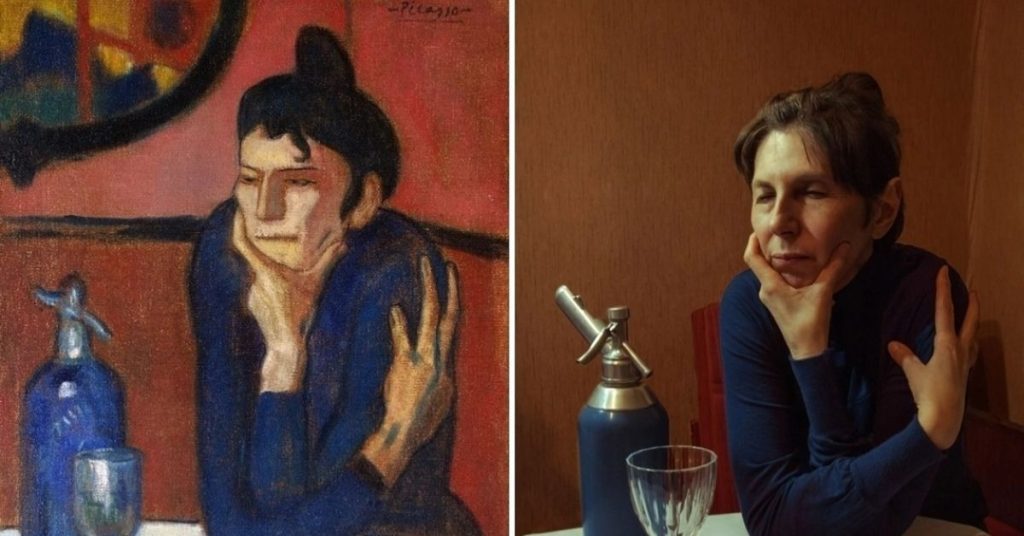
Self Portrait with Cigarette was painted by Edvard Munch in 1895. The painting shows Munch holding a cigarette, looking straight at the viewer. His expression is serious and thoughtful. The background is dark, making his face stand out. This self-portrait reflects his personality and inner emotions.
Munch used bold colors and rough brush strokes to express mood. The cigarette adds a sense of tension and modern life. The painting shows confidence, but also hints at worry and anxiety. Self Portrait with Cigarette captures both the outer appearance and inner feelings of the artist. It is a personal glimpse into Munch’s mind and life.
Death in the Sickroom
Death in the Sickroom was painted by Edvard Munch in 1893. It shows a sick child lying in a bed surrounded by family. The people around her look sad, worried, and helpless. The colors are dark and muted. The painting expresses grief, loss, and the sadness of death.
The composition focuses on emotion more than detail. Each figure reflects a different feeling,sorrow, shock, or quiet despair. Munch used this work to explore human vulnerability and the pain of losing a loved one. Death in the Sickroom captures both personal grief and universal human suffering. It remains one of his most emotional and powerful works.
Conclusion
Edvard Munch’s paintings show deep human emotions. His works like Anxiety, The Scream, and The Sick Child express fear, sadness, and loneliness. He used colors, lines, and expressions to show what people feel inside. His art is not just about what we see, but what we feel.
Munch’s life and experiences shaped his work. He turned personal pain into powerful images. His paintings connect with viewers because they are honest and emotional. Even today, people feel the intensity of his art. Munch reminds us that emotions are a part of being human.
FAQs
1. What is Anxiety by Edvard Munch about?
It shows people on a bridge with worried faces, expressing deep fear and inner stress.
2. When was The Scream painted?
It was painted in 1893 by Edvard Munch.
3. What emotions does Munch often show in his art?
He shows fear, sadness, loneliness, and inner anxiety.
4. Why is The Sick Child important?
It was one of Munch’s first works to focus on grief and human vulnerability.
5. How did Munch influence modern art?
He inspired Expressionism by showing raw human emotion through colors and brushwork.
