
Anxiety in Chinese Medicine: Symptoms and Care
Anxiety in Chinese medicine is seen as an imbalance in the body and mind. It is not just a mental issue. It is linked to the flow of energy, called Qi, in the body. When this energy is blocked or weak, a person may feel worry, fear, or restlessness. Chinese medicine looks at the whole body to understand anxiety.
Many people today feel stressed and overwhelmed. Fast life, work pressure, and lack of rest can increase anxiety. You may notice a racing heart, poor sleep, or constant worry.Your daily life can be affected by these signs. But the good news is that natural methods can help bring calm and balance.
Chinese medicine offers simple and gentle ways to manage anxiety. It uses herbs, acupuncture, and lifestyle changes. These methods aim to restore balance in the body. They do not just treat symptoms but focus on the root cause. This approach can support long-term relief and better well-being.
Anxiety in Chinese Medicine
Anxiety in Chinese medicine is seen as an imbalance in the body and mind. It is not just a mental problem. It is linked to the heart, liver, and kidneys. When energy, called Qi, does not flow well, a person may feel worry or fear. Symptoms can include a fast heartbeat, poor sleep, and restlessness. Each person may feel anxiety in a different way.
In this system, care focuses on restoring balance. Herbs, acupuncture, and lifestyle changes are often used. Calm breathing and gentle movement can also help. Food choices and daily habits matter a lot. The goal is to support the whole body, not just the mind. Over time, this can help reduce stress and bring a sense of peace.
Anxiety and Traditional Chinese Medicine (TCM)
Anxiety and Traditional Chinese Medicine (TCM) looks at the body as a whole. It connects the mind and physical health. Anxiety in chinese medicine is seen as a sign of imbalance. The heart, liver, and kidneys play a key role. When energy flow is blocked, a person may feel nervous or restless. Sleep problems and a fast heartbeat are also common signs.
TCM uses natural ways to bring balance back. Herbal remedies and acupuncture are often used. Gentle exercises like Tai Chi can help calm the mind. Breathing slowly can reduce stress. Daily habits and healthy food are also important. These steps support both body and mind over time.
Pattern Differentiation in Anxiety Disorders
Pattern differentiation is an important idea in care. It means each person’s symptoms are studied in detail. In anxiety in chinese medicine, the cause is not the same for everyone. Some people may have heart imbalance. Others may have liver stress or weak kidneys. Signs like sleep issues, fear, or chest tightness help guide the pattern.
Doctors use these patterns to choose the right care. This helps treatment feel more personal and effective. Common patterns include:
- Heart Qi weakness causing worry and poor sleep
- Liver Qi stagnation leading to stress and mood swings
- Kidney deficiency linked with fear and low energy
- Phlegm-heat causing restlessness and confusion
Each pattern needs a different approach. Herbs, acupuncture, and lifestyle changes are used based on the pattern. This method helps bring balance back to the body and mind.
Acupuncture for Anxiety Relief
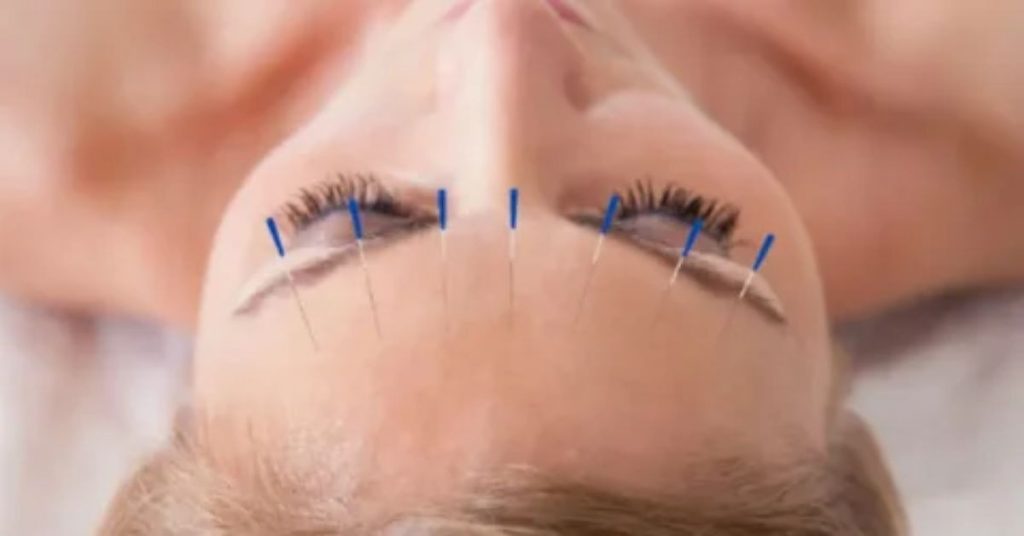
Acupuncture is a gentle method used to calm the mind. It is part of Traditional Chinese Medicine. Thin needles are placed on specific points of the body. These points help balance energy, called Qi. When Qi flows well, the body feels more relaxed. Many people use it to reduce stress and improve sleep. It can also help with a fast heartbeat and tension.
Sessions are usually quiet and peaceful. A person lies down and rests during treatment. Over time, regular sessions may bring better results. Acupuncture works best with healthy habits. Good sleep, light exercise, and calm breathing can support healing. It is a natural way to support both body and mind.
Common Acupuncture Points for Anxiety Relief
| Acupuncture Point | Location on Body | Main Benefit | How It Helps Anxiety |
| Yintang | Between the eyebrows | Calms the mind | Reduces stress and worry |
| Shenmen (HT7) | Wrist crease, little finger side | Heart support | Helps with sleep and emotional balance |
| Neiguan (PC6) | Inner forearm, 3 fingers below wrist | Relieves tension | Reduces anxiety and chest tightness |
| Baihui (DU20) | Top of the head | Lifts energy | Clears the mind and improves focus |
| Sanyinjiao (SP6) | Inner lower leg, above ankle | Balances body | Helps with stress and sleep |
| Taichong (LV3) | Top of foot, between toes | Moves liver energy | Reduces anger and frustration |
| Anmian | Behind the ear | Improves sleep | Helps calm an overactive mind |
| Hegu (LI4) | Hand, between thumb and index finger | Pain and stress relief | Eases tension and promotes relaxation |
Herbal Medicine for Managing Anxiety
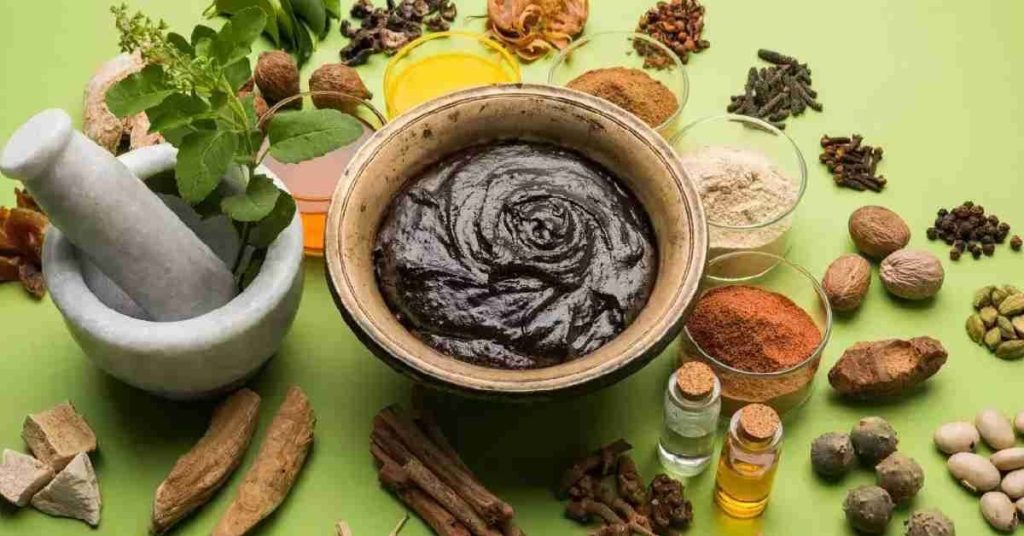
Herbal medicine is often used to calm the mind and body. In anxiety in chinese medicine, herbs are chosen based on a person’s pattern. Some herbs help relax the heart. Others support the liver or kidneys. These herbs can reduce worry, improve sleep, and ease tension. They are usually taken as teas, powders, or capsules.
Treatment is often gentle and natural. A trained practitioner mixes herbs for each person. This makes the care more personal and effective. Herbal medicine may also be used with acupuncture. Healthy food and daily habits also play a big role. Over time, this approach can help bring balance and inner calm.
Diet and Nutrition to Calm the Mind (Shen)
Food plays an important role in calming the mind in Chinese medicine. A balanced diet can help support the Shen, which means the spirit. In anxiety in chinese medicine, poor diet is often seen as a cause of weakness and stress. Warm, fresh, and simple foods are usually recommended. These help the body stay strong and relaxed.
Some foods are thought to nourish the heart and calm emotions. Soups, rice, oats, and green vegetables are often suggested. Avoiding too much caffeine, sugar, and processed food is also important. Eating at regular times can help the body feel stable. Over time, good nutrition can support emotional balance and mental peace.
Lifestyle Recommendations for Anxiety Control
Healthy lifestyle habits can help reduce stress and calm the mind. Small daily changes make a big difference over time. In anxiety in chinese medicine, balance in daily life is very important. A steady routine helps the body feel safe and relaxed. Good sleep, light movement, and calm activities are often advised.
Some simple lifestyle tips include:
- Sleep at the same time every night
- Take slow walks or do gentle exercise
- Practice deep breathing or meditation
- Limit screen time before bed
- Spend time in nature when possible
These habits help lower stress levels. They also support better emotional balance and clearer thinking.
In anxiety in chinese medicine, avoiding overwork is also important. Rest and relaxation are seen as part of healing. When the body and mind are cared for daily, anxiety can slowly reduce.
Emotional Factors in Traditional Chinese Medicine
Emotions are very important in Traditional Chinese Medicine. Each emotion is linked to a specific organ in the body. In anxiety in chinese medicine, strong or long-term emotions can disturb balance. This can affect the flow of energy, called Qi. When Qi is blocked, anxiety and stress may appear. Common emotions like fear, worry, anger, and sadness all play a role.
Different emotions affect different parts of the body. Understanding this helps explain how stress builds up. It also guides treatment in a gentle way. The goal is to restore emotional balance and calm the mind.
Emotions and Their Effects in TCM
| Emotion | Related Organ | Effect on Body | Common Signs |
| Fear | Kidneys | Weakens energy | Low confidence, fatigue |
| Worry | Spleen | Slows digestion | Overthinking, tiredness |
| Anger | Liver | Blocks energy flow | Irritability, headaches |
| Sadness | Lungs | Reduces energy | Low mood, short breath |
| Joy (excess) | Heart | Disturbs spirit | Restlessness, poor sleep |
| Shock | Heart/Kidneys | Sudden energy loss | Confusion, anxiety |
In anxiety in chinese medicine, balancing emotions is key to healing. When emotions are steady, the body and mind work better together.
How Chinese Medicine Understands Anxiety

Chinese medicine sees anxiety as an imbalance in the body and mind. It is not only a mental issue. In anxiety in chinese medicine, the flow of energy, called Qi, is very important. When Qi becomes weak or blocked, a person may feel fear, worry, or restlessness. The heart, liver, and kidneys are often involved in this condition.
This system also looks at lifestyle and emotions. Too much stress, poor sleep, and unhealthy food can worsen symptoms. Each person is studied in a different way to find the root cause. Treatment focuses on restoring balance in the whole body. Over time, this can help calm the mind and support emotional stability.
Treatment Strategies for Anxiety Disorders in TCM
Traditional Chinese Medicine uses different strategies to treat anxiety. It does not focus on symptoms only. In anxiety in chinese medicine, the main goal is to find the root cause. This may involve weak organs, blocked energy, or emotional stress. Treatment is chosen based on each person’s pattern.
Common methods include acupuncture, herbal medicine, diet changes, and lifestyle support. These work together to restore balance in the body. Relaxation techniques and gentle exercise are also helpful. The aim is to calm the mind and strengthen the body. Over time, this combined approach can reduce anxiety and improve overall well-being.
Conclusion
Anxiety can affect both the mind and body in many ways. It may cause worry, poor sleep, and low energy. In anxiety in chinese medicine, this condition is seen as an imbalance that can be treated step by step. The focus is on restoring harmony inside the body. This helps reduce stress and calm the mind over time.
With regular care and healthy habits, improvement is possible. Simple changes in lifestyle, food, and rest can support recovery. Natural approaches and emotional balance also play an important role. When the body and mind work together in balance, anxiety symptoms can slowly become lighter and easier to manage.
FAQs
1. What is anxiety in chinese medicine?
In anxiety in Chinese medicine, it is seen as an imbalance of energy in the body and mind that affects emotions and health.
2. How is anxiety explained in Chinese medicine?
It is linked to weak organs, blocked Qi, and emotional stress that disturb inner balance.
3. What treatments are used in Chinese medicine for anxiety?
Common treatments include acupuncture, herbal medicine, diet changes, and lifestyle support.
4. Can Chinese medicine help reduce anxiety symptoms?
Yes, anxiety in Chinese medicine approaches aims to calm the mind and restore natural balance over time.
5. Is Chinese medicine safe for anxiety treatment?
When guided by a trained practitioner, it is generally considered safe and gentle.