
Post Surgery Anxiety Attacks: Causes and Relief
Post surgery anxiety attacks are sudden feelings of fear or panic after a medical procedure. They can happen even when the surgery goes well. You may feel a fast heartbeat, shortness of breath, or dizziness. Some people also feel worried all the time without a clear reason. This is a normal reaction for many patients during recovery.
Many people are not prepared for these emotional changes. They expect physical pain, but not mental stress. This can feel confusing and scary. You may wonder why it is happening to you. The truth is, your body and mind are both healing, and this process can trigger anxiety.
There are several causes behind post surgery anxiety attacks. These include anesthesia effects, pain, lack of sleep, and stress about recovery. The good news is that there are simple ways to manage these feelings. With the right support and care, you can feel calm again and recover with confidence.
What to Do During a Postoperative Panic Attack

If you feel a panic attack after surgery, try to stay calm. Sit or lie down in a safe place. Take slow, deep breaths. You should breathe in through your nose and out through your mouth. Focus on your breathing. Remind yourself that the feeling will pass. These steps can help during post surgery anxiety attacks and make the moment feel less intense.
You can also ground yourself by noticing simple things around you. Look at objects, listen to sounds, or hold something in your hand. Drink a little water if you can. If the feeling continues, call a nurse, doctor, or a loved one for support. Talking to someone can ease fear. Managing post surgery anxiety attacks becomes easier with practice and support.
How to Treat Anxiety After Surgery
Treating anxiety after surgery takes time and simple care. Start with rest and a calm routine. Try deep breathing and short walks if your doctor allows it. Eat healthy food and drink enough water. Good sleep is also very important. These small steps can help reduce post surgery anxiety attacks and support your healing.
It also helps to talk about your feelings. Share your worries with a doctor, family member, or friend. Sometimes therapy or medicine may be needed. Always follow your doctor’s advice. With the right support, post surgery anxiety attacks can become easier to manage, and you can feel more in control each day.
What Is Postoperative Anxiety?
Postoperative anxiety is a feeling of worry or fear after surgery. It can happen even when the surgery is successful. Your body is healing, and your mind is also adjusting. You may feel nervous, restless, or scared without a clear reason. These feelings are common and usually temporary.
Some people notice different signs during recovery. These may include:
- Fast heartbeat or shortness of breath
- Trouble sleeping or feeling tired
- Constant worry or overthinking
- Feeling uneasy or on edge
- Sudden panic or fear
It is possible for these symptoms to vary from person to person. With time, care, and support, most people start to feel better.
Understanding Postoperative Panic Attacks
Postoperative panic attacks are sudden waves of fear after surgery. They can happen without warning. You may feel your heart racing or your breath getting fast. Some people feel dizzy or shaky. These attacks can feel scary, but they are usually not dangerous. Your body is reacting to stress, pain, and the healing process.
It helps to understand what is happening in your body. Surgery can affect sleep, hormones, and emotions. Medicines and anesthesia can also play a role. When you know the causes and signs, it becomes easier to manage these attacks and feel more in control.
| Aspect | Details |
| What It Is | Sudden intense fear or panic after surgery |
| Common Causes | Anesthesia effects, pain, stress, lack of sleep |
| Physical Symptoms | Fast heartbeat, sweating, dizziness, shortness of breath |
| Emotional Symptoms | Fear, worry, feeling out of control |
| When It Happens | Often in the first few days or weeks after surgery |
| Risk Factors | Past anxiety, major surgery, poor sleep, high stress |
| Immediate Relief | Deep breathing, sitting calmly, grounding techniques |
| Long-Term Management | Therapy, relaxation, healthy routine, medical support |
| When to Seek Help | If attacks are frequent or very intense |
| Recovery Outlook | Most people improve with time and care |
Is Anxiety Normal After Surgery?
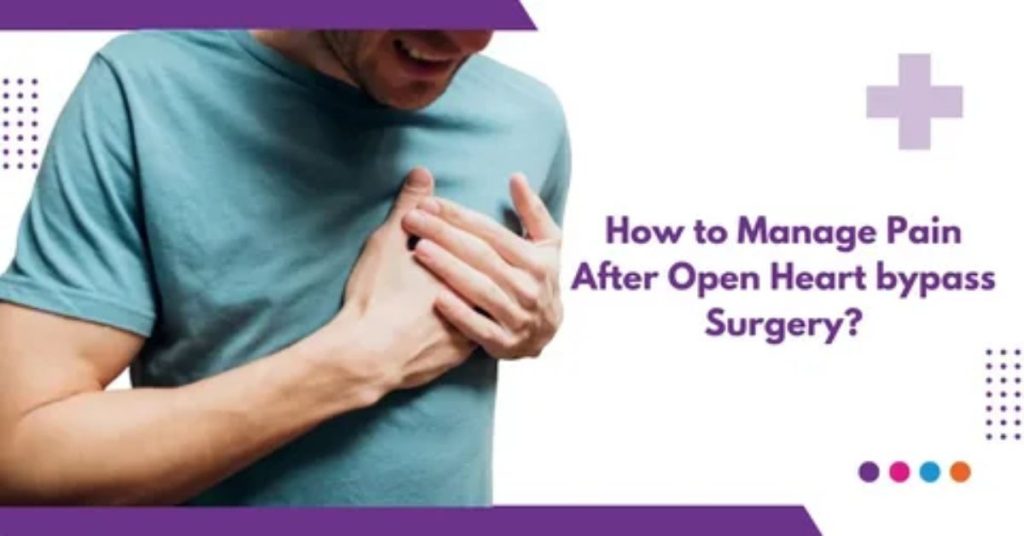
Yes, feeling anxious after surgery is very common. Your body has gone through stress, and your mind reacts too. You may feel worried, restless, or uneasy. Changes in sleep, pain, and medicine can affect your mood. Many people experience post surgery anxiety attacks during recovery, especially in the first few days or weeks.
These feelings usually improve with time and care. You are not alone in this experience. Talking to someone you trust can help a lot. Simple habits like rest, breathing exercises, and a calm routine can ease symptoms. If post surgery anxiety attacks feel strong or last longer, it is a good idea to speak with your doctor for support.
Why Do Panic Attacks Happen After Surgery?
Panic attacks after surgery can happen because your body is under stress. Surgery is a big physical and emotional event. Pain, medicines, and lack of sleep can affect your nervous system. Your brain may react by creating fear or panic. This is why some people experience post surgery anxiety attacks during recovery.
There are many triggers behind these feelings. Worry about healing, hospital memories, or side effects can increase anxiety. Changes in breathing, heart rate, or discomfort can also make it worse. These reactions are usually temporary. With rest, support, and care, post surgery anxiety attacks often become less intense over time.
Can Anesthesia Cause Anxiety After Surgery?
Yes, anesthesia can sometimes lead to anxiety after surgery. It affects the brain and nervous system while your body is asleep during the operation. After waking up, some people feel confused, emotional, or uneasy. These effects can last for a short time. In some cases, they may contribute to post surgery anxiety attacks during recovery.
Anesthesia can cause different changes in the body, such as:
- Confusion or “brain fog” after waking up
- Mood swings or emotional sensitivity
- Trouble sleeping or feeling restless
- Increased stress response in the body
- Temporary memory or focus issues
These effects usually fade as the body clears the medicine. Drinking water, resting, and following medical advice can help recovery. If symptoms continue, talking to a doctor is important.
Symptoms of Depression After Surgery
Depression after surgery can affect both the mind and body. It may start during recovery when you feel weak or stressed. You may lose interest in daily activities. You might also feel sad or hopeless for no clear reason. In some cases, it can happen along with post surgery anxiety attacks, which makes recovery feel harder.
The symptoms can look different for each person. Here are some common signs:
| Category | Symptoms |
| Emotional Signs | Sadness, hopelessness, irritability, loss of interest |
| Physical Signs | Low energy, fatigue, changes in appetite, sleep problems |
| Mental Signs | Poor concentration, negative thoughts, confusion |
| Behavioral Signs | Withdrawal from people, lack of motivation, reduced activity |
| Severe Signs | Feeling worthless, constant worry, panic episodes like post surgery anxiety attacks |
These symptoms can improve with time, care, and support. Talking to a doctor or loved one can help in early recovery.
How to Cope With Depression After Surgery
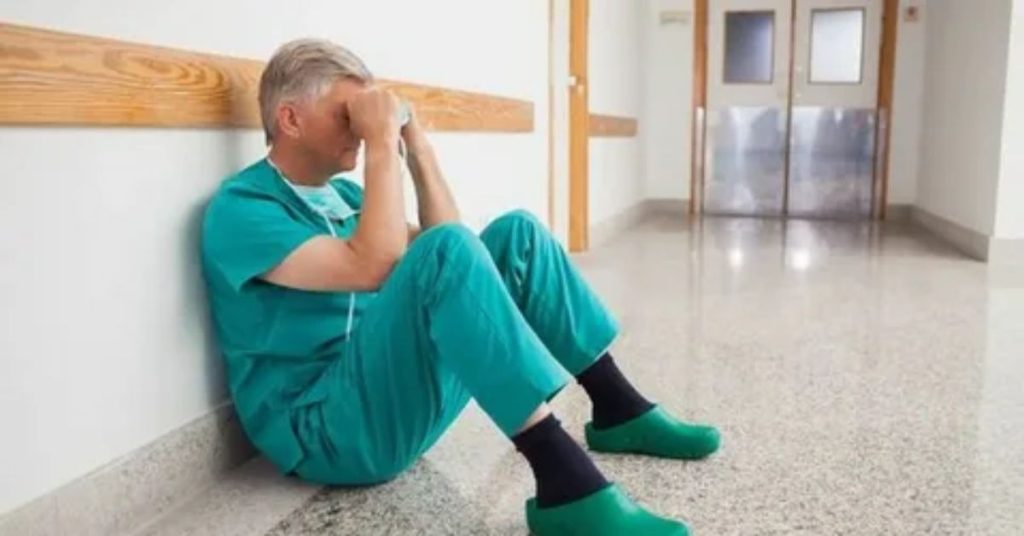
Coping with depression after surgery starts with small daily steps. Try to rest and follow a simple routine. Eat healthy food and drink enough water. Light movement, like short walks, can also help improve your mood. These habits support both body and mind during recovery. They can also reduce post surgery anxiety attacks that sometimes come with stress.
It is also important to talk about how you feel. Share your thoughts with family, friends, or a doctor. Do not keep emotions inside. Professional support or counseling may also help. Be patient with your healing process. With time and care, post surgery anxiety attacks and depression can become easier to manage.
Ways to Manage Anxiety After Surgery
Managing anxiety after surgery starts with calm daily habits. Try deep breathing exercises when you feel stressed. Rest as much as your body needs. Eat light and healthy meals. Drink enough water. Follow your doctor’s instructions carefully. These small steps help your mind feel more stable during recovery.
It also helps to stay connected with others. Talk to family or friends about how you feel. Do not stay alone for too long. Light activities like reading, listening to music, or short walks can improve mood. If anxiety feels strong, speak to a doctor or therapist. Support and care can make recovery easier and more peaceful.
Conclusion
Post surgery anxiety is common for many people. It can feel scary, but it is usually temporary. The body and mind both go through stress after an operation. With time, rest, and care, these feelings often get better. Understanding your symptoms can help you feel more in control.
Recovery is not only physical, but also emotional. Simple habits like deep breathing, talking to someone, and following medical advice can make a big difference. If anxiety or panic continues, it is important to seek help. With the right support, healing becomes easier and more comfortable.
FAQs
1. How long does anxiety last after surgery?
It varies for each person, but most people feel better within a few days to a few weeks as the body heals.
2. Are panic attacks common after surgery?
Yes, some people experience panic attacks due to stress, pain, or effects of anesthesia during recovery.
3. What helps reduce anxiety after surgery?
Rest, deep breathing, light activity, and talking to supportive people can help reduce anxiety.
4. When should I see a doctor for post-surgery anxiety?
If anxiety is severe, long-lasting, or affects daily life, you should contact your doctor.
5. Can sleep problems increase anxiety after surgery?
Yes, poor sleep can make anxiety worse and slow down the healing process.