Anxiety and Light Sensitivity Simple Guide
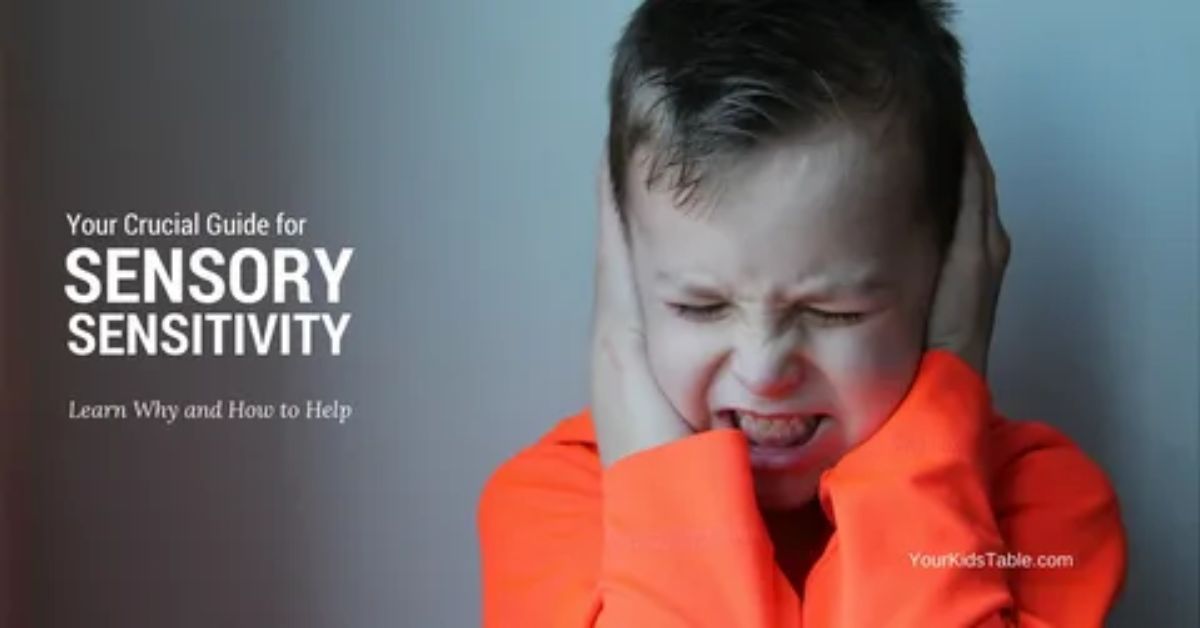
Anxiety and light sensitivity are closely linked for many people.A feeling of anxiety is a feeling of worry, fear, or unease. Light sensitivity means your eyes feel uncomfortable in bright light. You may squint, feel pain, or want to avoid light. When these two happen together, even normal light can feel too strong.
Have you ever felt bothered by lights when you are stressed or anxious? It can make simple tasks harder. Going outside, using screens, or sitting under bright lights may feel overwhelming. This can affect your mood and daily routine. Many people do not realize that anxiety can increase sensitivity to light.
This guide will help you understand this connection. You will learn why it happens and what triggers it. It will also share simple ways to manage both anxiety and light sensitivity. Small changes can make a big difference in how you feel each day.
Understanding Anxiety-Related Sensitivity to Bright Lights
Anxiety can make your body more alert than usual. Your brain starts to notice small changes around you. Bright lights may feel too strong or uncomfortable. This is part of the link between anxiety and light sensitivity. Your eyes are not always the problem. It is your nervous system reacting to stress. When you feel anxious, your body stays in a “fight or flight” mode. This can make light seem harsh and difficult to handle.
Many people experience this without knowing the reason. You may feel better in dim or soft lighting. Screens and sunlight can become hard to tolerate. This can affect your work and daily life. The connection between anxiety and light sensitivity is real and common. Learning about it can help you feel more in control. Simple steps like reducing stress and adjusting lighting can help you feel more comfortable.
Light Sensitivity and Anxiety: What Is the Connection?
Light sensitivity and anxiety are often connected through the brain and nervous system. When you feel anxious, your body becomes more alert. Your senses become stronger than usual. Bright lights may feel too intense or even painful. This happens because your brain is trying to protect you. It reacts quickly to anything that feels uncomfortable or overwhelming.
This connection can affect your daily life in small but important ways. You may avoid bright places or feel tired from too much light. Screens, sunlight, or strong indoor lights can make you uneasy. Anxiety can also make it harder for your eyes to relax. Understanding this link can help you manage both issues better. Simple changes like softer lighting and stress control can make a big difference.
What Is Light Sensitivity (Photophobia)?
Light sensitivity, also called photophobia, is when your eyes feel uncomfortable in bright light. It does not always mean you fear light. It means your eyes react strongly to it. Sunlight, screens, or indoor lights may feel too bright. This condition is often linked with stress and can appear with anxiety and light sensitivity. Your eyes may water, hurt, or make you squint. In some cases, you may want to stay in darker places.
This problem can happen for different reasons. It may be caused by eye strain, headaches, or emotional stress. The link between anxiety and light sensitivity can make symptoms feel worse. When your body is tense, your eyes also react more. Common signs include:
- Discomfort in bright light
- Squinting or closing your eyes
- Headaches from light exposure
- Eye pain or watering
- Trouble using screens for long time
Understanding these signs can help you manage the condition better. Small changes can improve comfort in daily life.
The Link Between Anxiety, Stress, and Visual Discomfort
Anxiety and stress can affect more than just your thoughts. They can also impact how your eyes feel. When you are stressed, your body stays tense. Your muscles tighten, and your senses become more sensitive. This can make light, screens, and movement feel uncomfortable. Your brain stays alert and reacts quickly to small changes. As a result, your eyes may feel strained or tired more often.
Visual discomfort is a common response to ongoing stress. You may notice headaches, blurred vision, or trouble focusing. Bright lights can feel stronger than usual. Long screen time can make symptoms worse. This cycle can continue if stress is not managed. Understanding the connection can help you take simple steps to feel better.
| Factor | How It Affects You | Resulting Discomfort |
| Anxiety | Increases alertness and sensitivity | Light feels too bright |
| Stress | Causes muscle tension | Eye strain and fatigue |
| Poor Sleep | Reduces eye recovery | Dry and irritated eyes |
| Screen Exposure | Overworks eye muscles | Blurred vision and headaches |
| Bright Lighting | Triggers strong eye response | Squinting and discomfort |
| Mental Overload | Keeps brain active | Trouble focusing |
| Dehydration | Affects eye moisture | Dryness and irritation |
| Lack of Breaks | Strains eyes for long periods | Increased fatigue |
Small lifestyle changes can help reduce these effects. Taking breaks, managing stress, and adjusting light can improve comfort.
How Light Sensitivity Appears in Anxiety Disorders
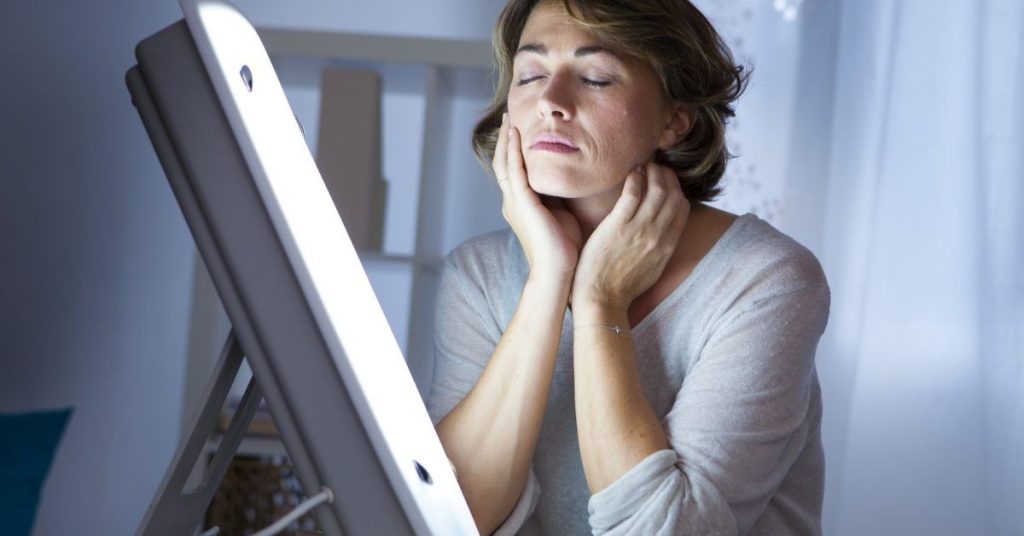
Light sensitivity can show up in different ways during anxiety disorders. Your body becomes more alert and reactive. Bright light may feel too strong or uncomfortable. This is a common part of anxiety and light sensitivity. Your eyes may hurt, water, or feel tired quickly. You might also squint or avoid well-lit places. These symptoms can appear even if your eyes are healthy.
Many people notice these signs during high stress or panic. Light from screens, sunlight, or indoor bulbs can trigger discomfort. The link between anxiety and light sensitivity can make daily tasks harder. You may feel better in dim or soft lighting. Over time, this can affect your routine and mood. Understanding these patterns can help you manage symptoms in a simple way.
Common Symptoms of Light Sensitivity in Anxiety
Light sensitivity in anxious people can feel strong and uncomfortable. Your eyes may react quickly to bright light. You might squint or feel pain in your eyes. Headaches are also common. This is often linked with anxiety and light sensitivity. Your eyes can feel tired even after short screen use. Some people also notice blurred vision or watering eyes.
These symptoms can change from day to day. They may get worse during stress or panic. The connection between anxiety and light sensitivity can make normal light feel too harsh. You may prefer dim rooms or avoid going outside in bright sunlight. This can affect your daily routine. Understanding these signs can help you take better care of your eyes and mental health.
Causes of Increased Light Sensitivity
There are many reasons why light sensitivity can increase. One common cause is anxiety. When you feel anxious, your body becomes more alert. This can make your senses more sensitive than usual. Bright light may start to feel uncomfortable or overwhelming. This is often seen in people who experience anxiety and light sensitivity together. Stress can also make the problem worse over time.
Other physical and lifestyle factors can also play a role. Lack of sleep, eye strain, and long screen use can increase discomfort. Strong lights or sudden changes in brightness may trigger symptoms. Below are some common causes:
- High stress or anxiety levels
- Poor sleep or tiredness
- Long hours on screens
- Bright or flashing lights
- Eye strain or dryness
- Migraine or headaches
The mix of these factors can increase sensitivity. Managing stress and rest can help reduce symptoms linked with anxiety and light sensitivity.
How Stress Affects Vision and the Nervous System
Stress can have a strong impact on your vision and nervous system. When you are stressed, your body goes into a “high alert” mode. Your brain sends signals to stay ready for danger. This can make your eyes more sensitive to light and movement. You may feel strain, discomfort, or trouble focusing. This is often seen in people dealing with anxiety and light sensitivity. Your nervous system becomes overactive, which affects how you see and feel things.
Over time, constant stress can make these symptoms more noticeable. Your eyes may feel tired faster. You might also notice headaches or blurred vision. Even normal light can feel too bright. Understanding this connection can help you manage symptoms better. Simple relaxation and rest can support both your vision and nervous system.
| Stress Effect on Body | Impact on Vision | Common Feeling |
| Nervous system overactivity | Increased light sensitivity | Eye discomfort |
| Muscle tension | Eye strain | Tired eyes |
| High cortisol levels | Blurred vision | Difficulty focusing |
| Poor sleep | Slow eye recovery | Dry or heavy eyes |
| Constant alertness | Overreaction to light | Squinting or avoidance |
| Mental fatigue | Reduced visual clarity | Head pressure |
| Anxiety spikes | Strong light sensitivity | Overwhelmed feeling |
These effects are often linked with anxiety and light sensitivity. Managing stress can help improve both vision comfort and nervous system balance.
Practical Strategies for Reducing Light Sensitivity and Anxiety

Light sensitivity and anxiety can feel uncomfortable, but simple steps can help. Start by managing stress in daily life. Deep breathing and short breaks can calm your mind. Try to reduce screen time when possible. Use softer lighting in your room. Wear sunglasses in bright sunlight if needed. These small habits can make your eyes feel more relaxed and less strained.
Creating a calm environment also helps your nervous system. Keep your sleep routine regular. Good sleep supports both your eyes and mind. Practice gentle activities like walking or stretching. Avoid sudden exposure to very bright lights. This is often helpful for people with anxiety and light sensitivity. Over time, these practical strategies can reduce discomfort and improve daily comfort.
When to Seek Medical Help for Light Sensitivity
Light sensitivity is common, but sometimes it needs medical attention. If bright light causes strong pain in your eyes, you should not ignore it. Also, if you notice sudden changes in your vision, it is important to get checked. Ongoing headaches or eye discomfort can also be a warning sign. In some cases, anxiety and light sensitivity may be linked, but physical eye issues should be ruled out first.
You should seek help if symptoms get worse over time. If you cannot use screens or go outside due to light discomfort, consult a doctor. Red eyes, blurred vision, or constant watering are also signs to watch. A healthcare professional can find the exact cause and suggest treatment. Early care can help protect your eyes and improve comfort in daily life.
Conclusion
Light sensitivity and anxiety can be closely connected. When your mind is stressed, your body reacts in many ways. Bright light may feel stronger and more uncomfortable than usual. This can affect your daily life and mood. Understanding this link can help you feel more in control.
With simple care and healthy habits, symptoms can improve over time. Rest, stress management, and proper lighting can make a big difference. If problems continue, getting medical help is important. Small steps can bring comfort and support both your eyes and mind.
FAQs
1. What is light sensitivity?
Light sensitivity is when your eyes feel uncomfortable or painful in bright light, making it hard to stay in well-lit areas.
2. Can anxiety cause light sensitivity?
Yes, anxiety can make your nervous system more active, which may increase sensitivity to bright lights.
3. What are common symptoms of light sensitivity?
Common symptoms include squinting, eye strain, headaches, and discomfort in bright environments.
4. How can I reduce light sensitivity?
You can reduce it by using softer lighting, limiting screen time, and practicing stress-relief techniques.
5. When should I see a doctor?
If light sensitivity is severe, persistent, or affects your vision, you should consult a healthcare professional.