

Anxiety and overstimulation happen when your mind and body feel overloaded. Too much noise, bright lights, stress, or strong emotions can overwhelm your senses. Your heart may beat faster. Your thoughts may race. You might feel tense, irritated, or ready to shut down. It can seem like everything is happening at once.
Have you ever walked into a crowded room and suddenly felt drained? Or noticed that small problems feel much bigger when you are already stressed? Many people go through this but do not realize what is causing it. The good news is that these feelings are common and manageable with the right support.
In this guide, we will explore simple relief tips that can help you feel calmer and more in control. You will learn how daily habits, small breaks, and healthy coping skills can protect your energy. With practice, it becomes easier to handle overwhelming moments and regain balance.
What Is Sensory Overload?
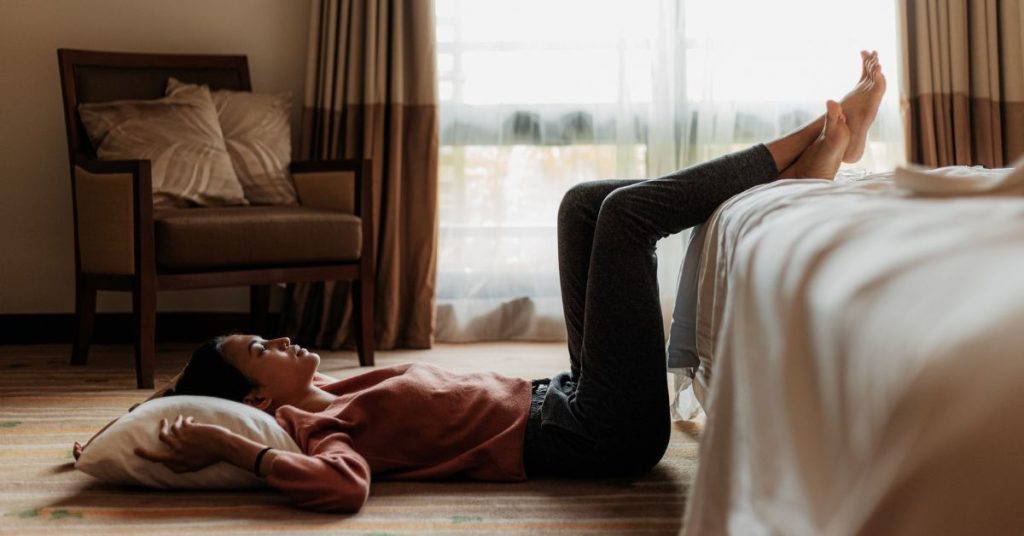
Sensory overload happens when your brain gets more input than it can manage. Loud sounds, bright lights, strong smells, or busy spaces can feel overwhelming. Your senses work overtime. It becomes hard to focus or think clearly. Your body may feel tense or restless.
For some people, anxiety and overstimulation can make these reactions stronger. You might feel irritated, tired, or suddenly emotional. Some people want to leave the situation right away. Others may feel frozen or shut down. This is your nervous system asking for rest and calm.
Anxiety or Just Overstimulation? Here’s How to Tell
It can be hard to know what you are feeling. Anxiety and overstimulation often overlap but are slightly different. Anxiety brings worry and racing thoughts. You may imagine worst-case scenarios. Your heart may beat fast even when your surroundings are calm.
Overstimulation usually comes from too much input. Bright lights, loud sounds, or crowded spaces can trigger it. You may feel tired, irritable, or need to escape. When you rest or move to a quieter space, the feeling often eases. Knowing the difference between anxiety and overstimulation helps you manage both more effectively.
What Causes Sensory Overload?
Sensory overload happens when your brain gets too much input at once. Your senses feel overwhelmed, and it becomes hard to focus or stay calm. For some people, anxiety and overstimulation make these reactions even stronger.
Common causes include:
- Loud noises like traffic or crowded places
- Bright or flashing lights in stores or on screens
- Strong smells from food, perfume, or chemicals
- Too much information or tasks at the same time
- Social situations that feel intense or chaotic
Even small triggers can build up quickly. When your brain cannot filter everything, you may feel anxious, tired, or frustrated. Recognizing the causes of sensory overload can help you prevent it and feel calmer.
Sensory Overload Symptoms
Sensory overload can affect both your body and mind. You may feel tense, restless, or easily irritated. Some people notice racing thoughts or trouble focusing. Others may feel drained or want to avoid certain places. Recognizing these symptoms early can help you manage them better.
Here are some common symptoms of sensory overload:
| Type | Symptoms |
| Physical | Headache, racing heart, sweaty palms, nausea, trembling |
| Emotional | Irritability, anxiety, frustration, sadness, anger |
| Cognitive | Racing thoughts, trouble focusing, confusion, memory lapses |
| Behavioral | Avoiding crowded places, withdrawal, shutting down, fidgeting |
| Sensory | Sensitivity to light, sound, touch, or smell |
These symptoms can vary from person to person. Understanding them helps you spot when anxiety and overstimulation are building. Early awareness makes it easier to take a break and regain calm.
What Conditions Are Associated With Sensory Overload?
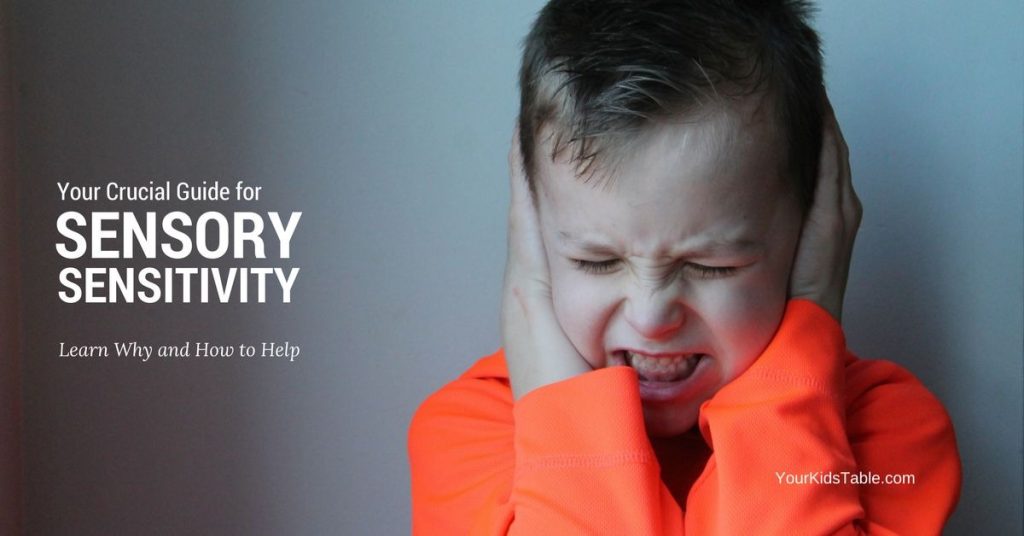
Sensory overload is common in several conditions. People with ADHD, autism, or anxiety often experience it more strongly. Anxiety and overstimulation can make everyday sounds, lights, or touch feel overwhelming. Their brains process information in ways that increase sensitivity.
Other conditions may also contribute. Migraines, PTSD, and sensory processing disorders can make sensations harder to handle. Even high stress can trigger these reactions. Understanding which conditions are linked to sensory overload can help you manage anxiety and overstimulation more effectively.
How Can Sensory Overload With Anxiety Be Managed?
Sensory overload with anxiety can feel overwhelming, but it can be managed with simple strategies. Anxiety and overstimulation often worsen when your environment is too noisy, bright, or crowded. Taking short breaks, practicing deep breathing, or finding a quiet space can help calm your mind and body.
Healthy habits and routines also make a difference. Exercise, mindfulness, and good sleep reduce sensitivity over time. Talking to a therapist can provide tips to cope better. By recognizing triggers and using these tools, you can manage anxiety and overstimulation more effectively.
Is Being Overstimulated a Sign of Anxiety?
Feeling overstimulated does not always mean you have anxiety, but the two are often connected. Anxiety can make your nervous system more sensitive. Small noises, bright lights, or crowded spaces may feel overwhelming. Some people notice racing thoughts, tension, or restlessness when overstimulated.
Signs that overstimulation may be linked to anxiety include:
- Racing or intrusive thoughts
- Rapid heartbeat or sweating
- Feeling tense or on edge
- Trouble focusing or making decisions
- Irritability or mood swings
Understanding the connection helps you respond better. Managing triggers and practicing calming strategies can reduce both anxiety and overstimulation.
Understanding Overstimulation and Its Connection to Anxiety
Overstimulation happens when your brain gets more input than it can process. This can come from loud noises, bright lights, strong smells, or busy environments. Anxiety can make you more sensitive to these triggers. When both happen together, you may feel tense, restless, or overwhelmed.
Here is how overstimulation and anxiety are connected:
| Factor | Overstimulation | Anxiety | Connection |
| Thoughts | Racing or scattered | Worrying, fearful | Anxiety amplifies mental overload |
| Body | Tension, fatigue | Rapid heartbeat, sweating | Physical stress increases discomfort |
| Emotions | Irritability, frustration | Nervousness, fear | Emotional responses intensify |
| Behavior | Avoidance, withdrawal | Restlessness, fidgeting | Both can lead to social or work challenges |
| Triggers | Noise, light, crowds | Stressful situations | Triggers overlap and worsen feelings |
Understanding this link helps you notice patterns. By identifying triggers, you can take steps to manage anxiety and overstimulation before they build up.
How to Calm ADHD Overstimulation Naturally
ADHD overstimulation can make you feel restless and overwhelmed. Anxiety and overstimulation may make your thoughts race and your body tense. Simple, natural strategies can help calm both your mind and body. Taking short breaks and creating a quiet, low-stimulus environment often works best.
Some effective ways to calm ADHD overstimulation naturally include:
- Deep breathing or meditation
- Light exercise or stretching
- Reducing loud noises or bright lights
- Using fidget tools or weighted blankets
- Keeping a daily routine and predictable schedule
Practicing these techniques regularly can help reduce anxiety and overstimulation. Over time, they make it easier to focus and handle everyday tasks calmly.
Common Triggers of Overstimulation
Overstimulation happens when your brain gets too much input at once. Certain things can trigger it more often. Loud noises, bright lights, and crowded places are common triggers. Even strong smells, fast movements, or too much screen time can make your senses feel overloaded.
Other triggers include stress, lack of sleep, and emotional pressure. Social situations or multitasking can also increase feelings of overwhelm. Knowing your triggers helps you prepare and avoid situations that lead to anxiety and overstimulation. Simple adjustments can make daily life calmer and more manageable.
Conclusion
Sensory overload and overstimulation can feel overwhelming, but they are manageable. By understanding your triggers and paying attention to your body, you can reduce stress and regain control. Small changes in your environment and daily routine can make a big difference.
Using simple strategies like breaks, deep breathing, and quiet spaces helps calm your mind. For those dealing with anxiety and overstimulation, practicing these techniques regularly can improve focus, mood, and overall well-being. With patience and self-care, it is possible to feel balanced and more in control every day.
FAQs
1. What is sensory overload?
Sensory overload happens when your brain receives too much input from sights, sounds, or other senses, making it hard to focus or stay calm.
2. Can anxiety cause overstimulation?
Yes, anxiety can make your brain more sensitive, increasing the chances of feeling overstimulated.
3. How can I manage sensory overload at home?
You can manage it by reducing noise, taking breaks, practicing deep breathing, and creating a calm environment.
4. Who is most at risk of overstimulation?
People with ADHD, autism, anxiety, PTSD, or sensory processing differences are more likely to experience overstimulation.
5. How long does overstimulation last?
It depends on the person and situation, but taking breaks, resting, and using coping strategies usually helps it pass faster.
