Driving Anxiety Highway: Stress-Free Driving
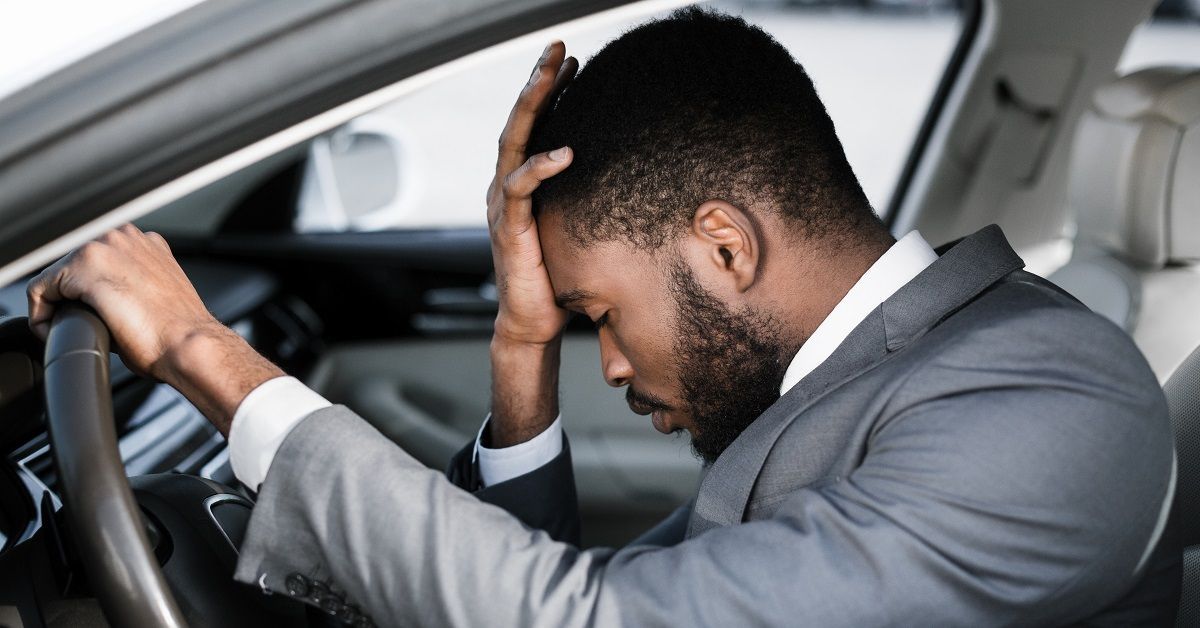
Driving anxiety highway is the fear or stress people feel when driving on highways. It can make your heart race and your mind feel overwhelmed. Some people worry about speed, traffic, or losing control. This type of anxiety can make even short trips feel difficult and tiring.
Many drivers avoid highways because the experience feels too intense. You might grip the wheel tightly or feel nervous before even starting the car. This fear can slowly affect your daily life. It can limit your freedom and confidence. But the good news is that you are not alone, and this feeling can be managed.
Understanding driving anxiety highway is the first step to feeling better.Over time, small changes can make a big difference. With the right tips and practice, you can feel calmer and more in control. In this guide, you will learn simple ways to reduce fear and enjoy safer, stress-free driving.
What is Driving Anxiety?
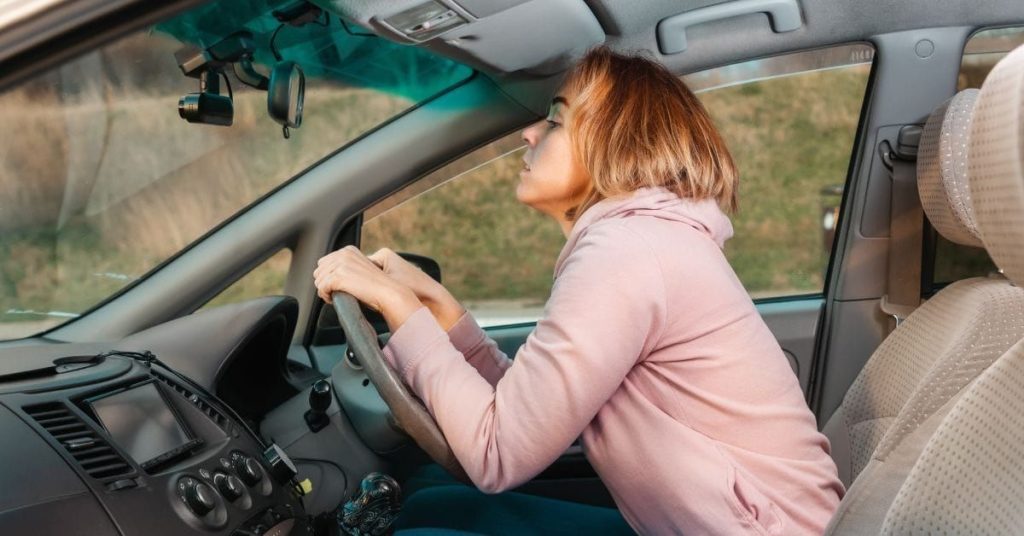
Driving anxiety is a feeling of fear or stress when you are behind the wheel. It can happen before or during a trip. Your body may react with a fast heartbeat, sweating, or nervous thoughts. Some people feel worried about traffic, speed, or making mistakes. This fear can make driving feel unsafe even when everything is normal.
For many people, driving anxiety highway situations feel more intense. Highways have fast cars and busy lanes, which can increase stress. You may feel out of control or afraid of accidents. Because of this, some drivers avoid highways completely. Understanding this fear is the first step to managing it and building confidence again.
Why Highway Driving Anxiety Happens and How to Cope
Driving anxiety highway often happens because highways feel fast and crowded. Many lanes, high speeds, and quick decisions can feel overwhelming. Some people fear losing control or getting into an accident. Past bad experiences can also make the fear stronger. Your mind tries to protect you, but it can make normal driving feel scary.
You can cope with driving anxiety highway by taking small steps. Start with short and quiet drives to build confidence. Practice deep breathing to stay calm while driving. Try to drive during less busy hours at first. Over time, your comfort will grow and the fear will reduce. Consistent practice can help you feel more relaxed and in control.
What Causes Driving Anxiety?
Driving anxiety can come from many different reasons. It often starts after a stressful or scary experience on the road. Some people feel nervous because they lack confidence in their driving skills. Others may feel overwhelmed by traffic, noise, or fast-moving cars. Even thinking about driving can trigger worry and tension in the body.
Common causes of driving anxiety include:
- Past accidents or close calls
- Fear of losing control of the vehicle
- Heavy traffic and busy roads
- Driving at high speeds or on highways
- Lack of driving practice or experience
- Feeling judged by other drivers
Understanding these causes can help you manage your fear. When you know what triggers your anxiety, it becomes easier to work on it step by step.
How Common is Driving Anxiety?
People tend to underestimate the prevalence of driving anxiety. Many drivers feel nervous at some point in their life. Some feel mild stress, while others avoid driving completely. Busy roads and fast traffic can increase this fear. For some people, driving anxiety highway situations feel more intense than normal city driving.
Studies suggest that a large number of adults experience some form of driving fear. It can affect new drivers and experienced ones too. The feeling may come and go, or stay for a long time. The good news is that it can be managed with the right support and practice.
| Aspect | Details |
| Who is affected | New drivers, experienced drivers, and people after accidents |
| Common age group | Young adults and middle-aged drivers |
| Main triggers | Traffic, speed, past accidents, lack of confidence |
| Severity levels | Mild nervousness to severe avoidance |
| When it happens | Before driving or during the trip |
| Highway impact | Driving anxiety highway is often stronger due to speed and traffic |
| Physical symptoms | Sweating, fast heartbeat, dizziness |
| Emotional symptoms | Fear, panic, worry |
| Avoidance behavior | Skipping highways or not driving at all |
| Improvement chances | High with practice and coping strategies |
| Helpful methods | Deep breathing, gradual exposure, confidence building |
Symptoms of Driving Anxiety and How It Affects Daily Life

Driving anxiety can cause both physical and emotional symptoms. You may feel a fast heartbeat, sweating, or shaky hands while driving.Additionally, some people feel dizzy or short of breath. Your thoughts may become negative or fearful. In driving anxiety highway situations, these symptoms can feel stronger because of speed and traffic.
This anxiety can affect your daily life in many ways. You may avoid highways or cancel important trips. It can limit your freedom and make simple tasks feel hard. Work, social plans, and family visits may also be affected. Over time, driving anxiety highway fear can reduce your confidence. With the right support and small steps, these effects can improve.
Fear of Driving on Highways and Freeways Explained
Fear of driving on highways and freeways is a common problem. These roads are fast and often very busy. Many lanes and quick lane changes can feel confusing. Some drivers worry about merging or being surrounded by cars. This can make the mind feel overwhelmed and tense.
This fear can cause people to avoid highways completely. They may choose longer routes to feel safer. Even thinking about freeway driving can create stress. Over time, this can lower confidence and independence. With practice and the right support, this fear can be reduced step by step.
How to Overcome Driving Anxiety: Effective Tips
Driving anxiety can feel strong, but it can be managed with small steps. Start by understanding your fear and accepting it. Do not rush yourself. Build confidence slowly with short and easy drives. In driving anxiety highway situations, begin with less busy roads before moving to faster lanes. Stay patient and give yourself time to improve.
Simple habits can help you feel calmer and more in control. Try these tips:
- Practice deep breathing before and during driving
- Start with short trips and slowly increase distance
- Drive during quiet hours with less traffic
- Relax your mind by listening to calm music
- Focus on the road, not on negative thoughts
- Take breaks if you feel overwhelmed
- Ask a trusted person to sit with you at first
With regular practice, your confidence will grow. Over time, driving anxiety highway fear can become much easier to handle.
Breathing and Relaxation Techniques for Driving Anxiety
Breathing and relaxation techniques can help calm your mind while driving. When anxiety starts, your breathing often becomes fast and shallow. This can make fear feel worse. Slow and deep breathing helps your body relax. It tells your brain that you are safe and in control. This is very helpful during stressful road situations like driving anxiety highway moments.
Relaxation also helps reduce muscle tension and mental stress. You can use simple techniques before and during driving. These methods are easy to practice and can improve your confidence over time.
| Technique | How to Do It | Benefit |
| Deep breathing | Inhale slowly through nose, exhale through mouth | Calms heart rate and reduces panic |
| 4-7-8 breathing | Inhale 4 sec, hold 7 sec, exhale 8 sec | Helps control anxiety quickly |
| Muscle relaxation | Tighten and release muscles slowly | Reduces body tension |
| Grounding technique | Focus on road, sounds, and surroundings | Keeps mind present and reduces fear |
| Positive self-talk | Repeat calm phrases like “I am safe” | Builds confidence and reduces worry |
| Visual focus | Look far ahead on the road | Improves focus and reduces panic feelings |
| Mindful driving | Stay aware of each action while driving | Helps control overthinking |
Cognitive Behavioral Therapy (CBT) for Driving Fear

Cognitive Behavioral Therapy (CBT) is a helpful way to treat driving fear. It focuses on changing negative thoughts about driving. Many people with driving anxiety highway worries imagine worst-case situations. CBT helps you understand these thoughts and replace them with calmer and more realistic ones. It also teaches you how your thoughts affect your feelings and actions.
CBT often includes small steps and practice exercises. You may start by thinking about driving in a more positive way. Then you slowly move to real driving situations. A therapist may guide you through exposure to feared roads or traffic. Over time, driving anxiety highway fear becomes easier to control. This method helps build confidence and reduce panic while driving.
Gradual Exposure Therapy to Reduce Driving Anxiety
Gradual exposure therapy is a simple way to reduce fear of driving. It means facing your fear step by step instead of avoiding it. You start with easy driving situations and slowly move to harder ones. This helps your mind and body get used to driving again. For driving anxiety highway, you may begin with quiet roads before trying highways.
This method works by building confidence over time. Each small success reduces fear a little more. You might first sit in the car, then drive short distances, and later try busier roads. A safe and slow approach is important. With regular practice, driving anxiety highway fear becomes less powerful and more manageable.
Conclusion
Driving anxiety is a common problem, and many people experience it at different levels. It can make driving feel stressful and uncomfortable. But it is important to remember that this fear is manageable. With patience and the right techniques, improvement is always possible.Over time, small steps can lead to big changes.
You are not alone in this journey. Many drivers slowly overcome their fear with practice and support. Breathing exercises, gradual exposure, and positive thinking can really help. Continually move forward at your own pace. With time and consistency, driving can become a calm and confident experience again.
FAQs
1. What is driving anxiety?
Driving anxiety is a fear or stress felt while driving. It can cause nervous thoughts and physical symptoms like a fast heartbeat.
2. What causes driving anxiety?
It can be caused by past accidents, lack of experience, heavy traffic, or fear of losing control.
3. Can driving anxiety be treated?
Yes, it can be managed with practice, therapy, breathing exercises, and gradual exposure to driving situations.
4. Why do highways make driving anxiety worse?
Highways have fast speeds and heavy traffic, which can feel overwhelming and increase stress for some drivers.
5. How long does it take to overcome driving anxiety?
It varies for each person, but with regular practice and support, many people see improvement over time.