


Weather and anxiety are closely connected for many people. Some individuals feel nervous, restless, or afraid when storms, heavy rain, or extreme heat begin. This reaction is known as weather-related anxiety. It happens when changes in weather trigger stress in the mind and body.
Have you ever felt your heart race when you hear thunder? Or felt uneasy after watching weather warnings on the news? You are not alone. Many people struggle with fear during severe weather. The good news is that there are natural and simple ways to manage these feelings.
In this article, we will explore how to reduce weather and anxiety naturally. You will learn easy coping strategies, calming techniques, and practical steps that can help you feel more in control during storms and extreme weather conditions.
Weather and Mental Health

Weather can affect our mood in many ways. Rainy days may make some people feel low or tired. Very hot days can increase stress and irritation. Strong storms can bring fear and nervous feelings. This is where weather and anxiety often connect in daily life.
Many people notice emotional changes when the weather shifts. Some feel calm in sunshine, while others feel uneasy during thunder or heavy winds. The link between weather and anxiety is real for many individuals. Understanding this connection can help us manage our emotions better and protect our mental health.
Why Weather Anxiety Is Increasing
More people are feeling nervous or worried about the weather today. Extreme storms, floods, heatwaves, and other severe weather events are happening more often. This makes many feel unsafe or stressed. Even regular weather changes, like sudden rain or wind, can trigger fear in some people.
News and social media also add to the worry. Constant updates about storms or disasters can make people anxious before the weather even arrives. Climate change and unpredictable weather patterns make it harder to feel in control. Understanding why weather anxiety is increasing can help us take steps to stay calm and prepared.
What Is Severe Weather Anxiety?
Severe weather anxiety is a type of fear or stress that happens during storms, heavy rain, or other extreme weather events. People may feel tense, restless, or panicked even before the storm begins. This is one way weather and anxiety can show up in daily life, affecting sleep, focus, and overall well-being.
Some common signs of severe weather anxiety include:
- Racing heart or fast breathing during storms
- Feeling tense or on edge when hearing weather alerts
- Trouble sleeping before or during bad weather
- Avoiding going outside even when safe
Understanding how weather and anxiety are connected can help people recognize these feelings. Awareness is the first step to managing stress and staying calm during severe weather events.
Understanding the Roots of the Fear
Fear of storms and severe weather comes from both experience and biology. People may feel anxious because of past traumatic events, like floods or tornadoes. Even media coverage of extreme weather can make someone nervous. Our brains are wired to react quickly to danger, which can make small weather changes feel threatening. This is a big reason weather and anxiety are connected.
Other factors also influence fear. Genetics, personality, and environment can all play a role. To better understand, here is a table showing common roots of weather-related fear:
| Root of Fear | How It Affects You | Example |
| Past Trauma | Triggers memories of danger | Survived a severe storm or flood |
| Media Exposure | Increases worry and tension | Watching news about tornadoes |
| Biological Response | Body reacts as if in danger | Rapid heartbeat, sweating, or tension |
| Personality | Some people are naturally more anxious | High sensitivity to change |
| Environment | Living in areas with frequent severe weather | Tornado-prone regions |
| Social Influence | Anxiety can spread from family or friends | Hearing about others’ fears |
| Climate Change Awareness | Awareness of unpredictable weather increases fear | Concern about more storms in future |
Understanding these roots helps us identify triggers and take steps to manage weather and anxiety naturally. Small lifestyle changes and preparation can make a big difference.
How Trauma and the Brain Interact During Storms

When someone has experienced a past trauma, their brain remembers the danger. During storms, this memory can make the body react as if the danger is happening again. Heart rate rises, muscles tense, and breathing may become faster. This is one way weather and anxiety are connected in the brain.
It is primarily the amygdala of the brain that is responsible for this reaction. It signals the body to prepare for “fight or flight” even if the storm is not life-threatening. People with past trauma may feel more anxious or panicked during severe weather. Understanding this link helps in managing feelings and staying calm during storms.
Concerns About Sheltering from Storms
Many people feel anxious about finding safe shelter during storms. Some worry they won’t reach a storm shelter in time. Others fear their home may not be strong enough to protect them. These worries can make weather and anxiety worse, especially during severe weather alerts.
Families with children or pets may feel even more stressed. Questions like “Will everyone fit safely?” or “What if the shelter floods?” can increase fear. Preparing in advance, knowing your safe spots, and having emergency plans can help reduce these worries and make storms feel less overwhelming.
Concerns About Getting Storm Warnings
Many people feel anxious about receiving storm warnings. Some worry the alerts may come too late. Others feel stressed when warnings are frequent or confusing. This is another way weather and anxiety can affect daily life.
Common concerns about storm warnings include:
- Not knowing which alerts are real or urgent
- Receiving too many notifications, causing stress
- Fear of missing critical information for safety
- Confusion about what actions to take during a warning
Being aware of these concerns can help people prepare. Learning how to check reliable sources and plan ahead can reduce fear and make storm warnings easier to handle.
Helping Children Cope with Storm Anxiety
Children can feel scared during storms. Thunder, lightning, and strong winds may make them anxious or restless. They may ask many questions or want extra comfort. Understanding how weather and anxiety affect kids can help parents support them in the right way.
Parents and caregivers can use simple strategies to help children feel safe. The table below shows practical ways to reduce storm anxiety in children:
| Strategy | How It Helps | Example |
| Talk Calmly | Reassures children and reduces fear | Explain the storm in simple words |
| Create a Safe Space | Gives a sense of security | Set up a cozy corner with blankets |
| Use Distraction | Diverts attention from scary sounds | Play games or read a book |
| Prepare in Advance | Reduces panic during storms | Practice emergency drills |
| Limit Media Exposure | Prevents added stress from news or alerts | Avoid showing scary weather videos |
| Encourage Expression | Helps children release fear | Draw, talk, or write about feelings |
| Stay Calm Yourself | Children mirror adult emotions | Parents take deep breaths and stay relaxed |
| Reassure Safety | Builds trust and confidence | Remind them shelters and adults are safe |
By using these strategies, children can feel calmer and more secure. Preparing ahead and talking openly can make storms less frightening.
Building Resilience During Severe Weather Events
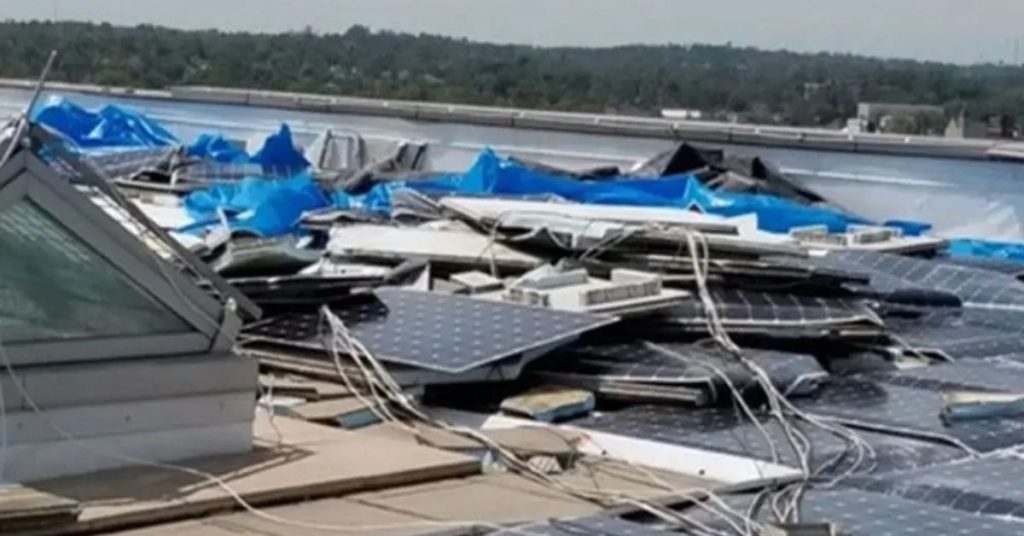
Severe weather can be stressful and frightening. Strong storms, heavy rain, or high winds can make people feel anxious. Learning to cope with these situations helps build resilience. Understanding how weather and anxiety affect you is the first step to staying calm.
Small actions can make a big difference. Preparing an emergency kit, having a safe place, and planning ahead reduces fear. Staying connected with family and friends also helps. Practicing deep breathing or relaxation techniques can keep the mind calm during storms. Over time, these habits make it easier to handle severe weather events with confidence.
Finding Calm in the Storm: How To Cope with Weather-Related Anxiety
Storms and extreme weather can make many people feel anxious. Thunder, lightning, and strong winds can trigger stress or fear. This is one way weather and anxiety affect daily life. Learning simple ways to stay calm can help you feel safer and more in control.
There are several easy techniques to cope with weather-related anxiety. Deep breathing, listening to calming music, or practicing mindfulness can reduce stress. Preparing in advance, such as having an emergency plan or safe space, also helps. Talking to family, friends, or a professional can provide support and reassurance. These steps can make storms less overwhelming and help you stay calm.
Conclusion
Weather can affect our minds in many ways. Storms, extreme heat, or heavy rain can trigger stress and anxiety. Understanding how weather and anxiety are connected helps us take control. By recognizing our fears, we can respond calmly instead of feeling overwhelmed.
Simple steps make a big difference. Preparing in advance, staying informed, and practicing calming techniques can reduce worry. Supporting children and loved ones is also important. With awareness and small actions, it is possible to feel safer and more confident during severe weather.
FAQs
1. What is weather-related anxiety?
Weather-related anxiety is stress or fear triggered by storms, extreme temperatures, or other severe weather events.
2. How does weather affect mental health?
Changes in weather can influence mood, energy, and stress levels, sometimes causing anxiety or sadness.
3. Can children experience weather anxiety?
Yes, kids can feel scared during storms or extreme weather, and may need comfort and reassurance.
4. What are simple ways to cope with weather anxiety?
Deep breathing, mindfulness, preparing a safe space, and staying connected with loved ones can help.
5. How can I prepare for severe weather to reduce anxiety?
Make an emergency plan, keep a safe shelter ready, and stay updated with reliable weather information.
